
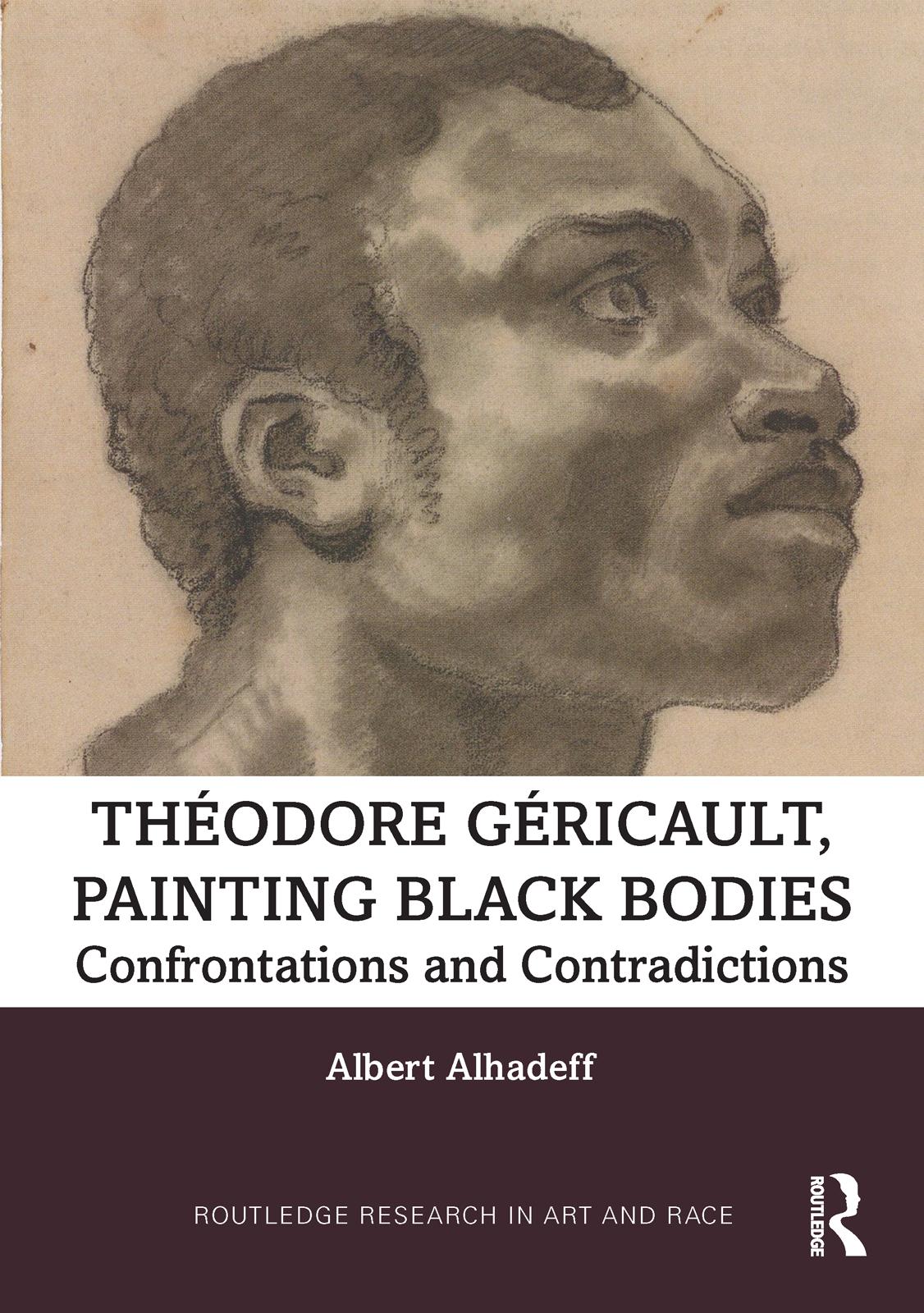
This book examines Théodore Géricault’s images of black men, women and children who suffered slavery’s trans-Atlantic passage in the late eighteenth and early nineteenth centuries, including his 1819 painting The Raft of the Medusa.
The book focuses on Géricault’s depiction of black people, his approach towards slavery, and the voices that advanced or denigrated them. By turning to documents, essays and critiques, both before and after Waterloo (1815), and, most importantly, Géricault’s own oeuvre, this study explores the fetters of slavery that Gericault challenged—alongside a growing number of abolitionists—overtly or covertly.
This book will be of interest to scholars in art history, race and ethnic studies and students of modernism.
Pay easily by card, Klarna, Apple Pay or Google Pay. Not happy? You always have a 14-day money-back guarantee. Read more in our terms. If you have any questions, email us at hello@memmo.org.
Memmo makes studying easier – wherever you are in the world. We bring your course books and smart study tools together in one place: summaries, quizzes, podcasts and flashcards. Plus Ted, your study buddy who answers anything you wonder. Over 50,000 students already study here – built to help you learn faster and stress less.