
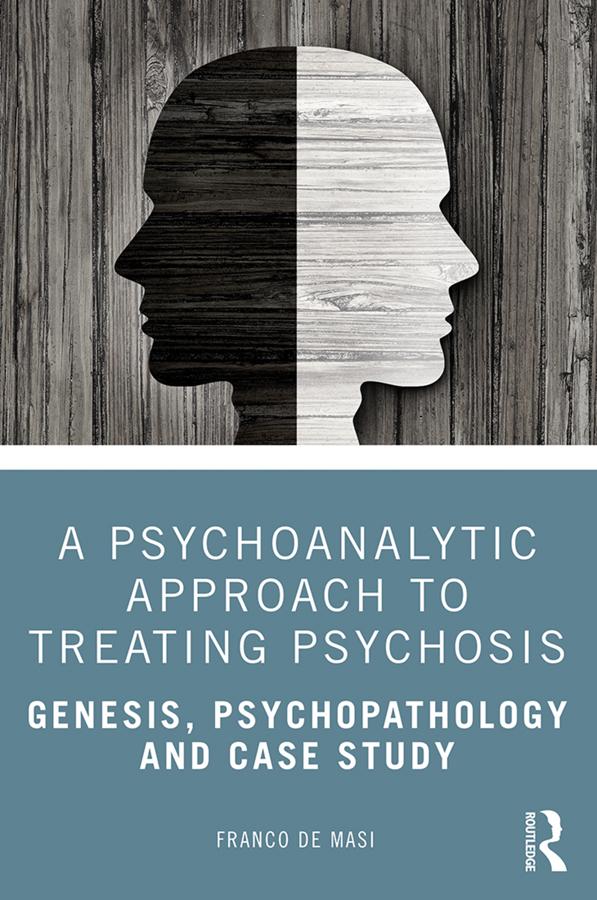
A Psychoanalytic Approach to Treating Psychosis shows how, by understanding the antecedents and dynamics of psychosis, a psychoanalytic approach can offer a long-term alternative to the only psychotropic therapy and an explanation of the infantile origin of the illness.
This ground-breaking examination begins by clearly explaining complex terms and theories from the most significant thinkers in psychoanalysis. Split into three parts, it then explores the problems faced when following one specific technique for understanding the psychotic process. Practical as well as theoretical, Part 2 illustrates how to prepare an appropriate setting for the patient, including the importance of listening and the analyst’s approach, as well as highlighting key features of the condition, such as delusions, hallucinations, infantile withdrawal and psychotic dreams. Acknowledging that psychosis is a psychic transformation which the mind works as a sensorial organ, the author asserts that the seeds are sown in childhood through emotional trauma, leading to withdrawal into a fantasy world.
Brimming with real-life vignettes throughout, Part 3 is dedicated to a unique and lengthy case study to illustrate the challenges of working with such patients. It also looks positively towards future research on psychosis informed by insights from neuroscience.
Innovative and accessible, this book will be essential reading for anyone working in psychosis, including psychoanalysts, psychiatrists, psychologists and physicians.
Pay easily by card, Klarna, Apple Pay or Google Pay. Not happy? You always have a 14-day money-back guarantee. Read more in our terms. If you have any questions, email us at hello@memmo.org.
Memmo makes studying easier – wherever you are in the world. We bring your course books and smart study tools together in one place: summaries, quizzes, podcasts and flashcards. Plus Ted, your study buddy who answers anything you wonder. Over 50,000 students already study here – built to help you learn faster and stress less.