
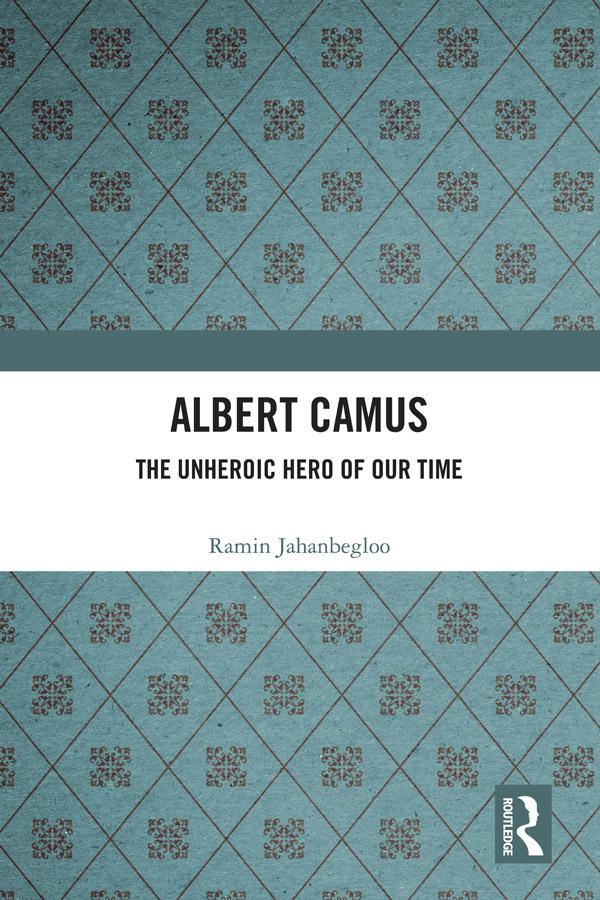
This book interprets the ideas, thoughts and concepts that characterize the writings and philosophy of Albert Camus for our contemporary times. It investigates Camus’ "revolted compassion" as an outsider and a philosopher-writer who in his own words believed in "creating dangerously". The author examines Camus’ interventions on political, philosophical and moral questions, such as Algerian independence, capital punishment, ideological violence, nihilism in the context of his ideals of the absurd and revolt, and justice and liberty. Further, it goes on to provide an exhaustive analysis of Camus’ critique of violence and his intellectual resistance to totalitarianism.
Bringing together latest scholarship with an acute analysis of Albert Camus’ philosophy, this sourcebook throws a powerful light on the intellectual foundations of the twentieth century and its relevance for the twenty-first. The book will be of interest to scholars of literature, philosophy and African Studies.
Pay easily by card, Klarna, Apple Pay or Google Pay. Not happy? You always have a 14-day money-back guarantee. Read more in our terms. If you have any questions, email us at hello@memmo.org.
Memmo makes studying easier – wherever you are in the world. We bring your course books and smart study tools together in one place: summaries, quizzes, podcasts and flashcards. Plus Ted, your study buddy who answers anything you wonder. Over 50,000 students already study here – built to help you learn faster and stress less.