
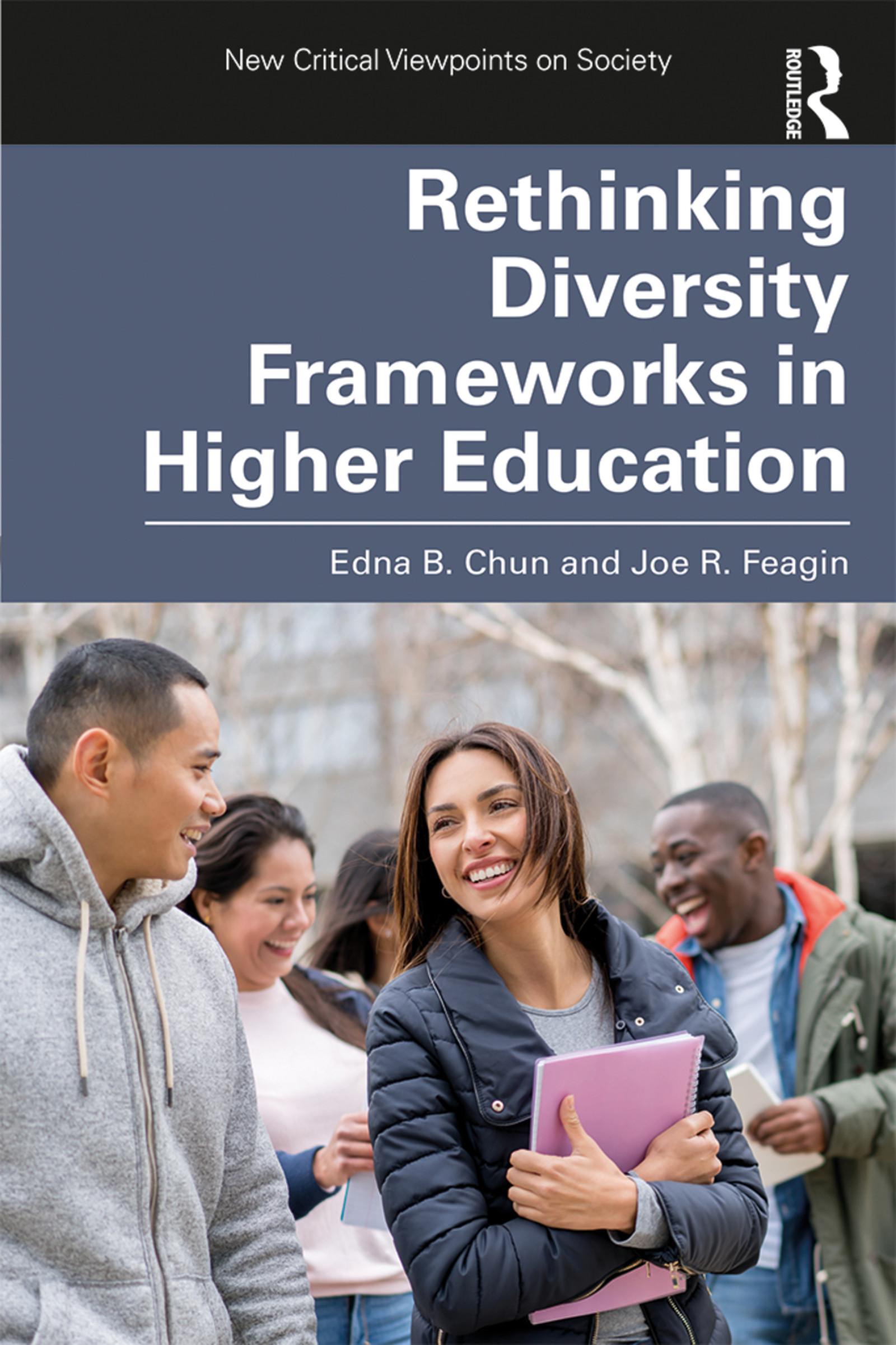
With the goal of building more inclusive working, learning, and living environments in higher education, this book seeks to reframe understandings of forms of everyday exclusion that affect members of nondominant groups on predominantly white college campuses. The book contextualizes the need for a more robust analysis of persistent patterns of campus inequality by addressing key trends that have reshaped the landscape for diversity, including rapid demographic change, reduced public spending on higher education, and a polarized political climate. Specifically, it offers a critique of contemporary analytical ideas such as micro-aggressions and implicit and unconscious bias and underscores the impact of consequential discriminatory events (or macro-aggressions) and racial and gender-based inequalities (macro-inequities) on members of nondominant groups. The authors draw extensively upon interview studies and qualitative research findings to illustrate the reproduction of social inequality through behavioral and process-based outcomes in the higher education environment. They identify a more powerful systemic framework and conceptual vocabulary that can be used for meaningful change. In addition, the book highlights coping and resistance strategies that have regularly enabled members of nondominant groups to address, deflect, and counteract everyday forms of exclusion.
The book offers concrete approaches, concepts, and tools that will enable higher education leaders to identify, address, and counteract persistent structural and behavioral barriers to inclusion. As such, it shares a series of practical recommendations that will assist presidents, provosts, executive officers, boards of trustees, faculty, administrators, diversity officers, human resource leaders, diversity taskforces, and researchers as they seek to implement comprehensive strategies that result in sustained diversity change.
Pay easily by card, Klarna, Apple Pay or Google Pay. Not happy? You always have a 14-day money-back guarantee. Read more in our terms. If you have any questions, email us at hello@memmo.org.
Memmo makes studying easier – wherever you are in the world. We bring your course books and smart study tools together in one place: summaries, quizzes, podcasts and flashcards. Plus Ted, your study buddy who answers anything you wonder. Over 50,000 students already study here – built to help you learn faster and stress less.