
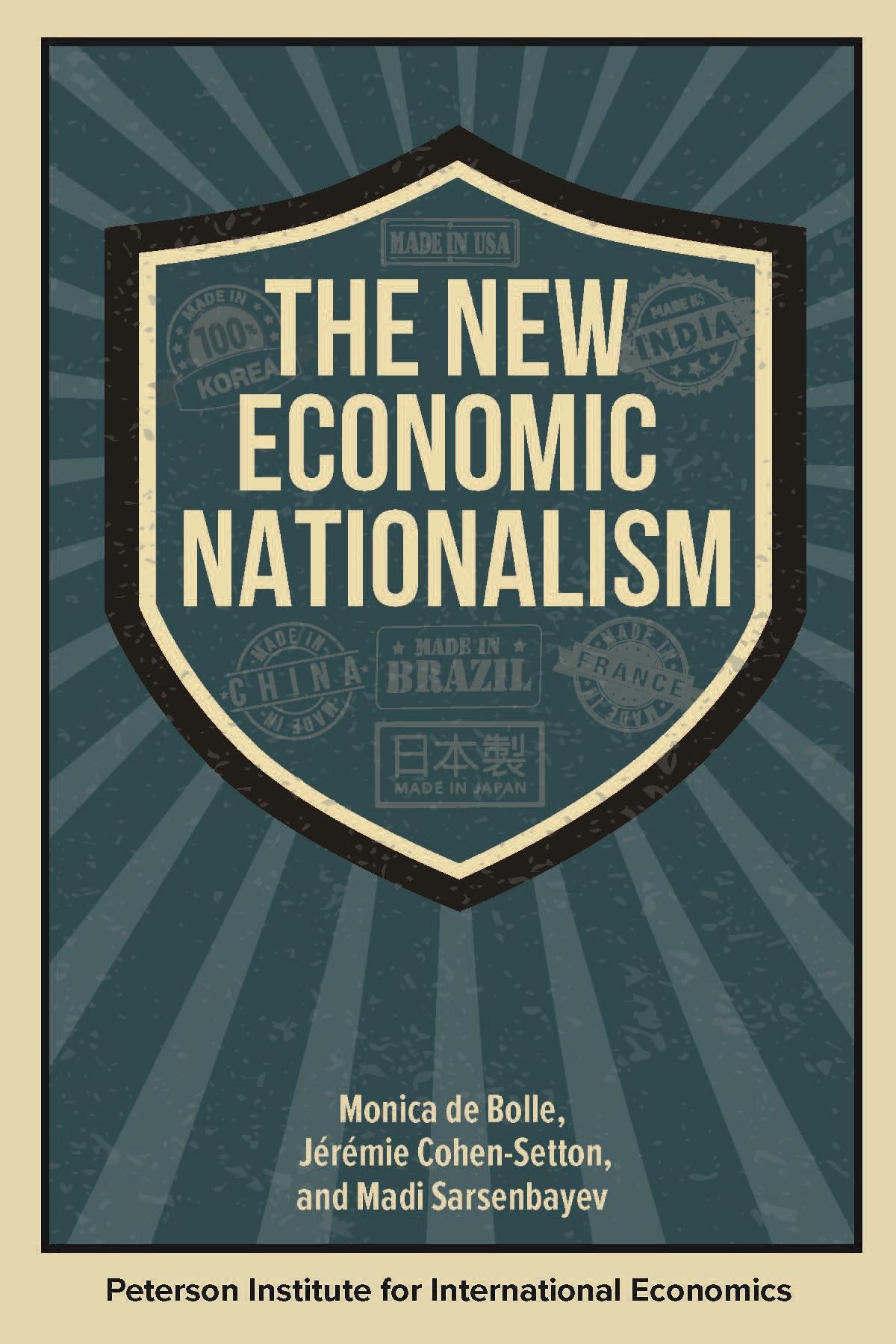
Empires, city states, and nations have long pursued aggressive trade, tax, and investment policies to amass wealth. A new consensus emerged after the Great Depression and World War II supporting liberalized international trade, economic cooperation, and free markets. Today that consensus has shattered, replaced by a “new economic nationalism” of industrial policy, tariffs, and various methods of state support for the economy. Can this new approach deliver stability, national security, and prosperity? This book examines case studies revealing a decidedly mixed record. In some instances, economic nationalist policies have fostered growth and declining unemployment, though accompanied by fiscal costs and inefficiency. In much of the developing world, however, economic nationalist policies have produced corruption, debt burdens, inflation, and ultimately stagnation. By examining the past, The New Economic Nationalism provides a roadmap to an uncertain future.
Pay easily by card, Klarna, Apple Pay or Google Pay. Not happy? You always have a 14-day money-back guarantee. Read more in our terms. If you have any questions, email us at hello@memmo.org.
Memmo makes studying easier – wherever you are in the world. We bring your course books and smart study tools together in one place: summaries, quizzes, podcasts and flashcards. Plus Ted, your study buddy who answers anything you wonder. Over 50,000 students already study here – built to help you learn faster and stress less.
You might also like
Buy the book0