
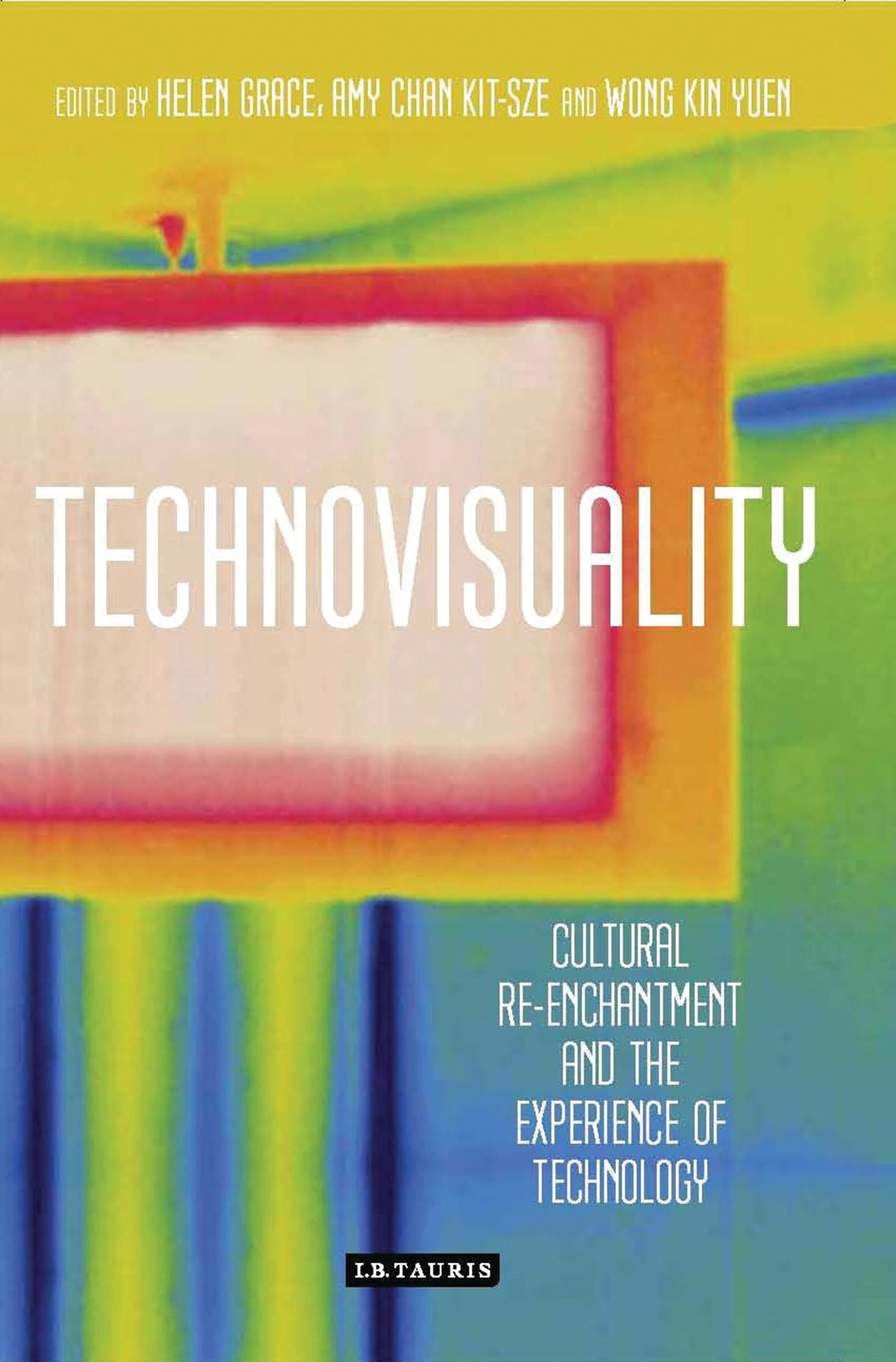
How should we regard the contemporary proliferation of images? Today, visual information is available as projected, printed and on-screen imagery, in the forms of video games, scientific data, virtual environments and architectural renderings. Fearful and anti-visualist responses to this phenomenon abound. Spread by digital technologies, images are thought to threaten the word and privilege surface value over content. Yet as they multiply, images face unprecedented competition for attention. This book explores the opportunities that can arise from the ubiquity of visual stimuli. It reveals that 'technovisuality' - the fusion of digital technology with the visual - can work 'wonders'; not so much dazzling audiences with special effects as reviving our enchantment with popular culture. Introducing a new term for an entirely new field of academic study, this book reveals the centrality of 'technovisuality' in 21st century life.
Pay easily by card, Klarna, Apple Pay or Google Pay. Not happy? You always have a 14-day money-back guarantee. Read more in our terms. If you have any questions, email us at hello@memmo.org.
Memmo makes studying easier – wherever you are in the world. We bring your course books and smart study tools together in one place: summaries, quizzes, podcasts and flashcards. Plus Ted, your study buddy who answers anything you wonder. Over 50,000 students already study here – built to help you learn faster and stress less.