
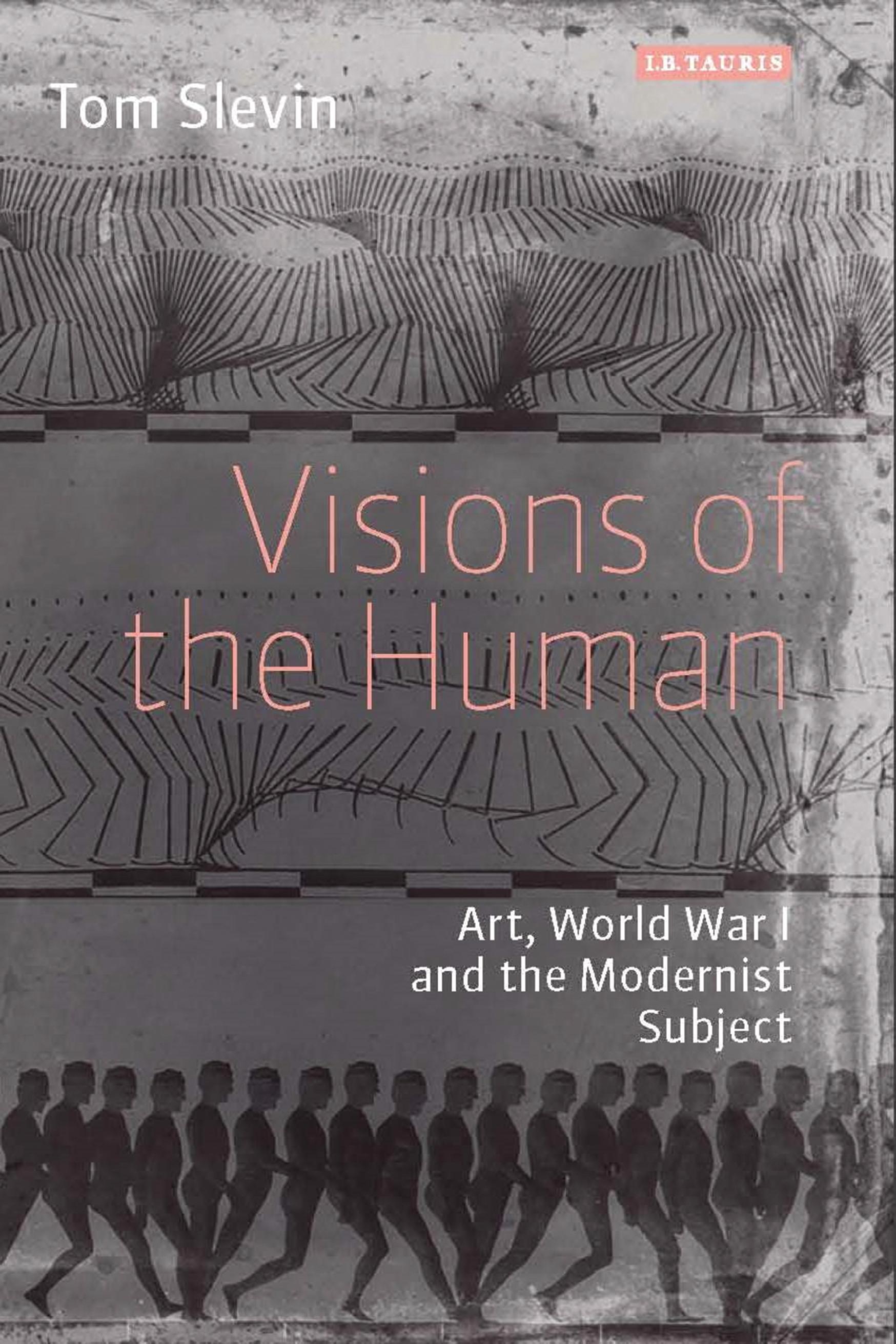
In what ways do the artistic avant-garde's representations of the human body reflect the catastrophe of World War I? The European modernists were inspired by developments in the nineteenth-century, yielding new forms of knowledge about the nature of reality and repositioning the human body as the new 'object' of knowledge. New 'visions' of the human subject were created within this transformation. However, modernity's reactionary political climate - for which World War I provided a catalyst - transformed a once liberal ideal between humanity, environment, and technology, into a tool of disciplinary rationalisation. Visions of the Human considers the consequences of this historical moment for the twentieth and twenty-first centuries. It explores the ways in which the 'technologies of the self' that inspired the avant-garde were increasingly instrumentalised by conservative politics, urbanism, consumer capitalism and the society of 'the spectacle'. This is an engaging and powerful study which challenges prior ideas and explores new ways of thinking about modern visual culture.
Pay easily by card, Klarna, Apple Pay or Google Pay. Not happy? You always have a 14-day money-back guarantee. Read more in our terms. If you have any questions, email us at hello@memmo.org.
Memmo makes studying easier – wherever you are in the world. We bring your course books and smart study tools together in one place: summaries, quizzes, podcasts and flashcards. Plus Ted, your study buddy who answers anything you wonder. Over 50,000 students already study here – built to help you learn faster and stress less.