
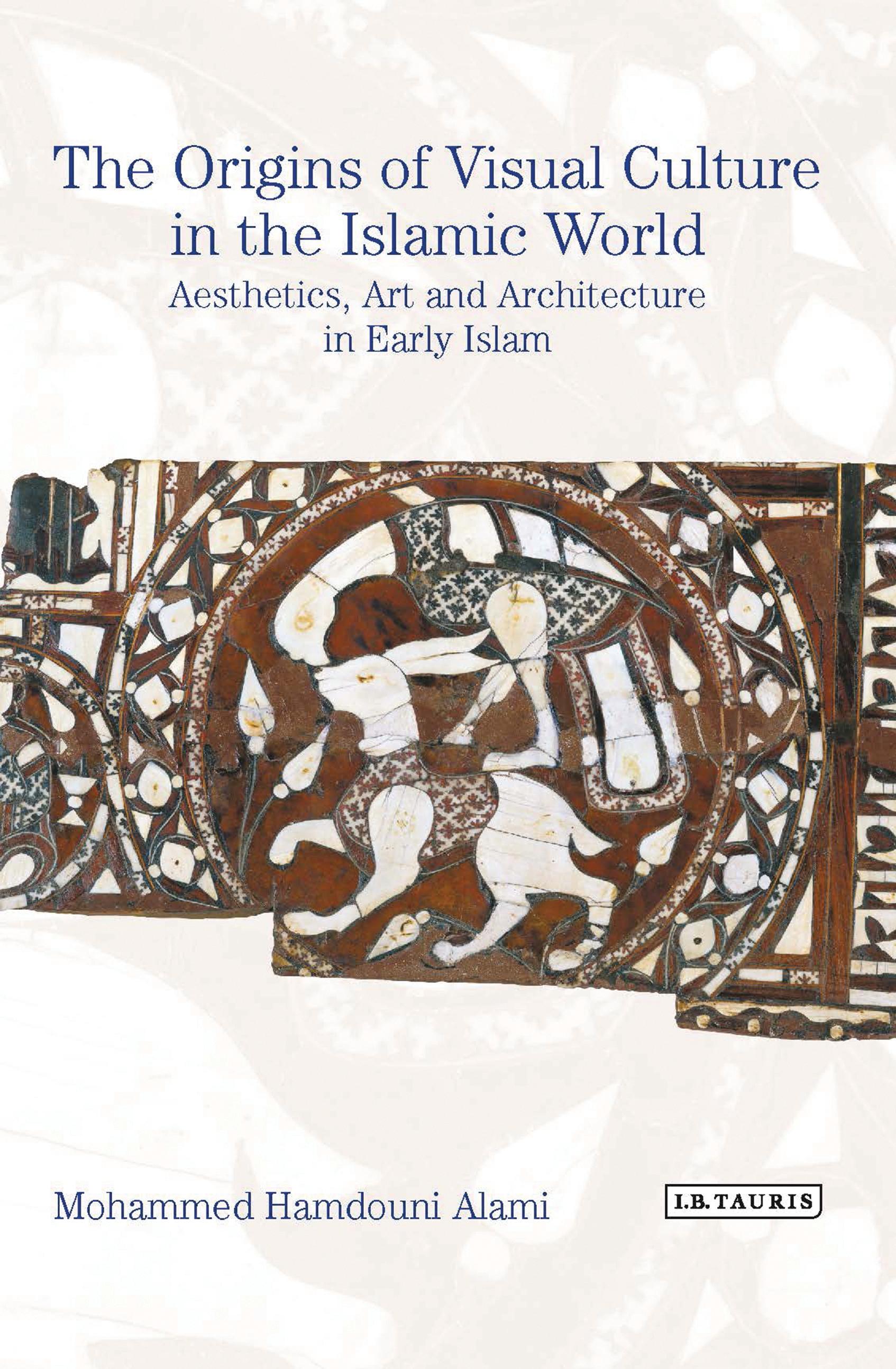
In tenth-century Iraq, a group of Arab intellectuals and scholars known as the Ikhwan al-Safa began to make their intellectual mark on the society around them. A mysterious organisation, the identities of its members have never been clear. But its contribution to the philosophy, art and culture of the era - and indeed subsequent ones - is evident. In the visual arts, for example, Hamdouni Alami argues that the theory of human proportions which the Ikwan al-Safa propounded (something very similar to those of da Vinci), helped shape the evolution of the philosophy of aesthetics, art and architecture in the tenth and eleventh centuries CE, in particular in Egypt under the Fatimid rulers. By examining the arts of the Fatimids, focusing on painting and architectural works such as the first Fatimid mosque in al-Mahdiyya, Tunisia, Hamdouni Alami offers analysis of the debates surrounding the ethics of the appreciation of Islamic art and architecture from a vital time in medieval Middle Eastern history, and shows their similarity with aesthetic debates of Italian Renaissance
Pages: 200
Category: Konst, Design & Fotografi
e-ISBN: 9780857738868
Shipping weight: 1.2 kg
Ships in: 1-2 days
Pay easily by card, Klarna, Apple Pay or Google Pay. Not happy? You always have a 14-day money-back guarantee. Read more in our terms. If you have any questions, email us at hello@memmo.org.
Memmo makes studying easier – wherever you are in the world. We bring your course books and smart study tools together in one place: summaries, quizzes, podcasts and flashcards. Plus Ted, your study buddy who answers anything you wonder. Over 50,000 students already study here – built to help you learn faster and stress less.