
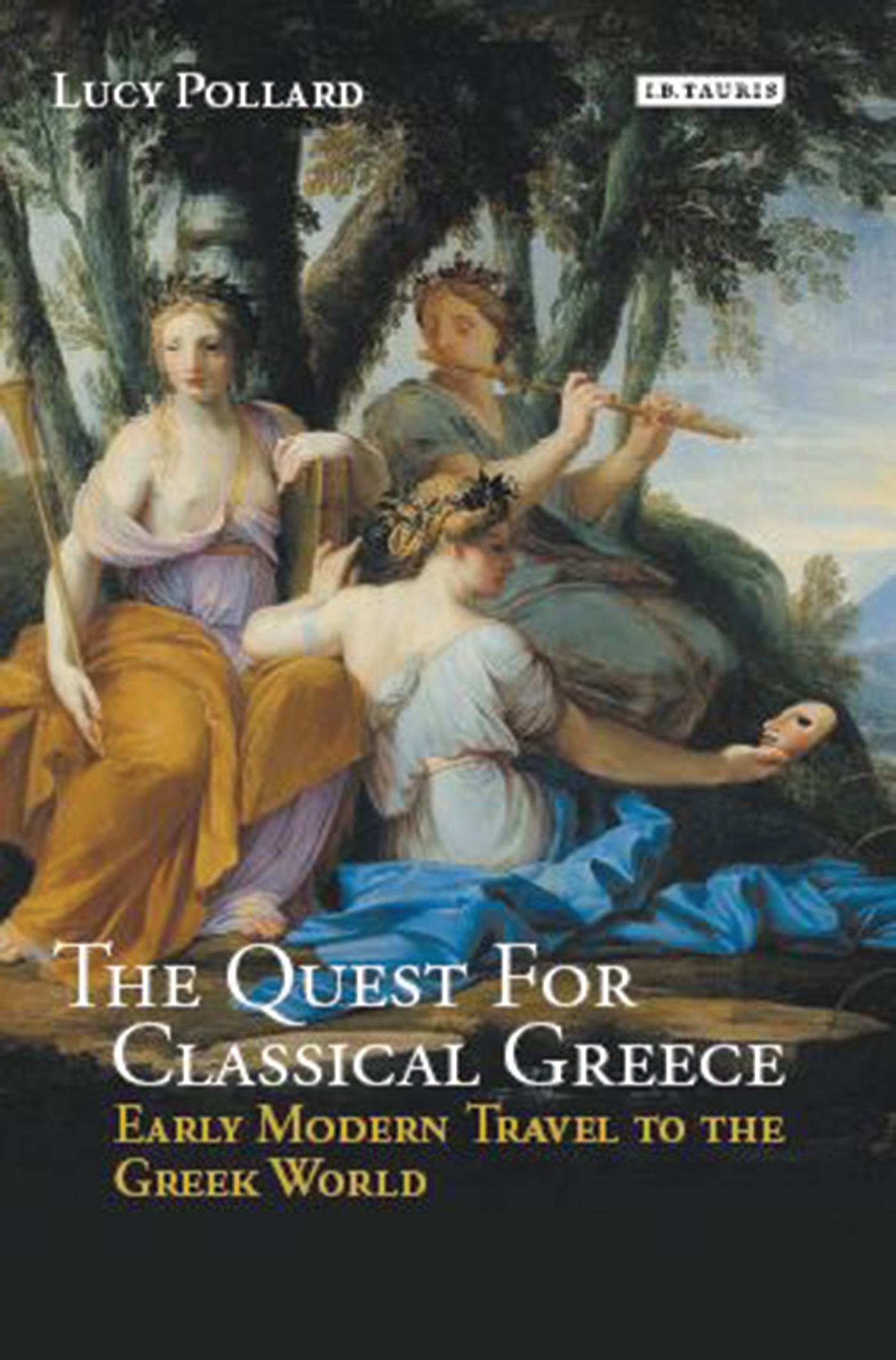
Greece and Asia Minor proved an irresistible lure to English visitors in the seventeenth century. These lands were criss-crossed by adventurers, merchants, diplomats and men of the cloth. In particular, John Covel (1638-1722) - chaplain to the Levant Company in the 1670s, later Master of Christ's College, Cambridge - was representative of a thoroughly eccentric band of Englishmen who saw Greece and the Ottoman world through the lens of classical history. Using a variety of sources, including Covel's largely unpublished diaries, Lucy Pollard shows that these curious travellers imported, alongside their copies of Pausanias and Strabo, a package of assumptions about the societies they discovered. Disparaging contemporary Greeks as unworthy successors to their classical ancestors allowed Englishmen to view themselves as the true inheritors of classical culture, even as - when opportunity arose - they removed antiquities from the sites they described. At the same time, they often admired the Turks, about whom they had fewer preconceptions. This is a major contribution to reception and post-Restoration ideas about antiquity.
Pay easily by card, Klarna, Apple Pay or Google Pay. Not happy? You always have a 14-day money-back guarantee. Read more in our terms. If you have any questions, email us at hello@memmo.org.
Memmo makes studying easier – wherever you are in the world. We bring your course books and smart study tools together in one place: summaries, quizzes, podcasts and flashcards. Plus Ted, your study buddy who answers anything you wonder. Over 75,000 students already study here – built to help you learn faster and stress less.