
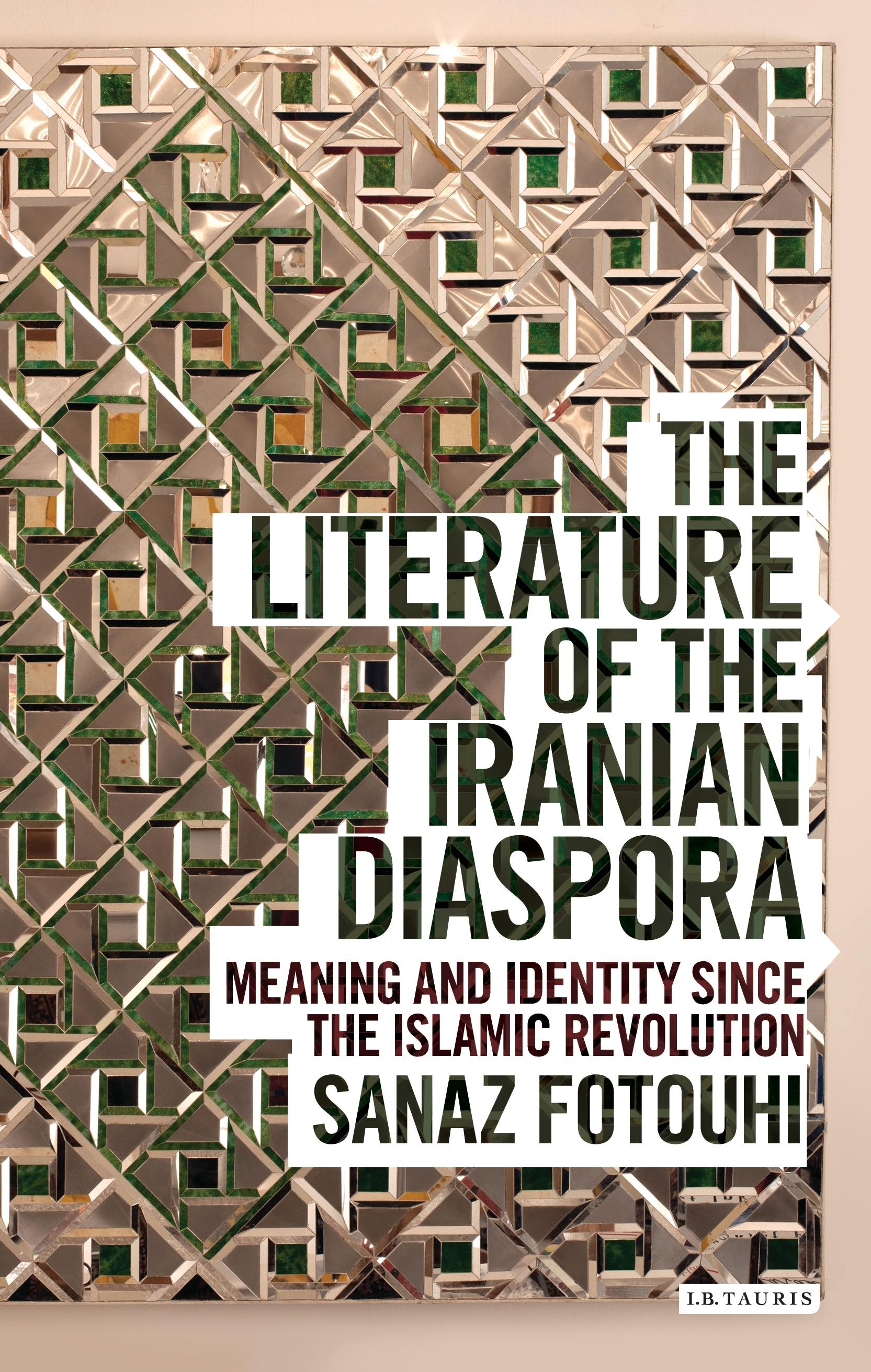
The 1979 Revolution in Iran caused the migration of millions of Iranians, many of whom wrote, and are still writing, of their experiences. Formed at the junctions of Iranian culture, English language and Western cultures, this body of work has not only formed a unique literary space, offering an insightful reflection of Iranian diasporic experiences and its shifting nature, but it has also been making a unique and understudied contribution to World Literatures in English as significant as Indian, African and Asian writing in English. Sanaz Fotouhi here traces the origins of the emerging body of diasporic Iranian literature in English, and uses these origins to examine the socio-political position and historical context from which they have emerged.
Fotouhi brings together, introduces and analyses, for the first time, a significant range of diasporic Iranian writers alongside each other and alongside other diasporic literatures in English. While situating this body of work through existing theories such as postcolonialism, Fotouhi sheds new light on the role of Iranian literature and culture in Western literature by showing that these writings distinctively reflect experiences unique to the Iranian diaspora. Analysing the relationship between Iranians and their new surroundings, by drawing on theories of migration, narration and identity, Fotouhi examines how the literature borne out of the Iranian diaspora reconstructs, maintains and negotiates their Individual and communal identities and reflects today's socio-political realities. This book will be vital for researchers of Middle Eastern literature and its relationship with writings from the West, as well as those interested in the cultural history of the Middle East.
Fotouhi brings together, introduces and analyses, for the first time, a significant range of diasporic Iranian writers alongside each other and alongside other diasporic literatures in English. While situating this body of work through existing theories such as postcolonialism, Fotouhi sheds new light on the role of Iranian literature and culture in Western literature by showing that these writings distinctively reflect experiences unique to the Iranian diaspora. Analysing the relationship between Iranians and their new surroundings, by drawing on theories of migration, narration and identity, Fotouhi examines how the literature borne out of the Iranian diaspora reconstructs, maintains and negotiates their Individual and communal identities and reflects today's socio-political realities. This book will be vital for researchers of Middle Eastern literature and its relationship with writings from the West, as well as those interested in the cultural history of the Middle East.
Pay easily by card, Klarna, Apple Pay or Google Pay. Not happy? You always have a 14-day money-back guarantee. Read more in our terms. If you have any questions, email us at hello@memmo.org.
Memmo makes studying easier – wherever you are in the world. We bring your course books and smart study tools together in one place: summaries, quizzes, podcasts and flashcards. Plus Ted, your study buddy who answers anything you wonder. Over 50,000 students already study here – built to help you learn faster and stress less.