
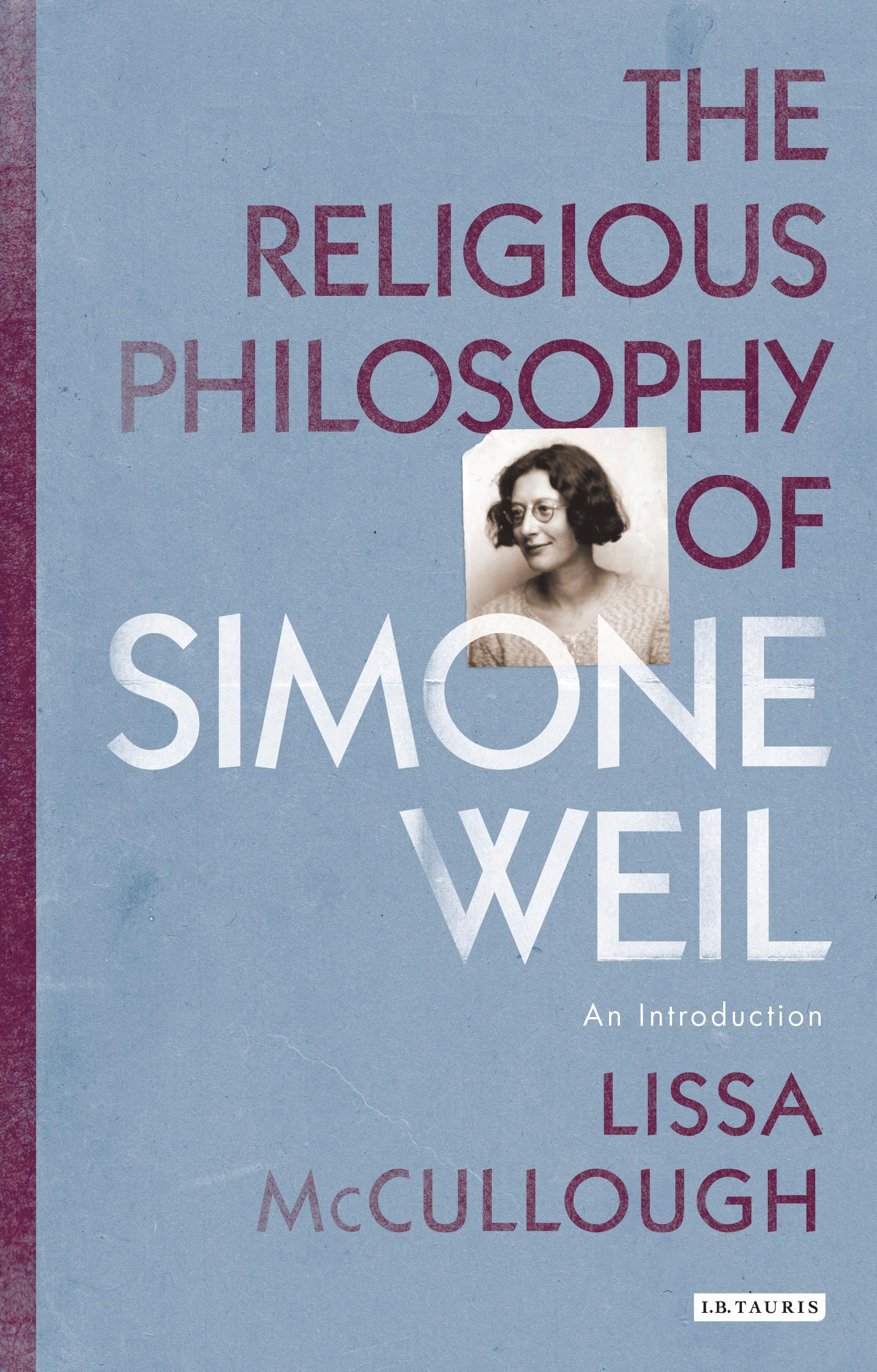
The French philosopher Simone Weil (1909-1943), a contemporary of Simone de Beauvoir and Jean-Paul Sartre, remains in every way a thinker for our times. She was an outsider, in multiple senses, defying the usual religious categories: at once atheistic and religious; mystic and realist; sceptic and believer. She speaks therefore to the complex sensibilities of a rationalist age. Yet despite her continuing relevance, and the attention she attracts from philosophy, cultural studies, feminist studies, spirituality and beyond, Weil's reflections can still be difficult to grasp, since they were expressed in often inscrutable and fragmentary form. Lissa McCullough here offers a reliable guide to the key concepts of Weil's religious philosophy: good and evil, the void, gravity, grace, beauty, suffering and waiting for God. In addressing such distinctively contemporary concerns as depression, loneliness and isolation, and in writing hauntingly of God's voluntary 'nothingness', Weil's existential paradoxes continue to challenge and provoke. This is the first introductory book to show the essential coherence of her enigmatic but remarkable ideas about religion.
Pay easily by card, Klarna, Apple Pay or Google Pay. Not happy? You always have a 14-day money-back guarantee. Read more in our terms. If you have any questions, email us at hello@memmo.org.
Memmo makes studying easier – wherever you are in the world. We bring your course books and smart study tools together in one place: summaries, quizzes, podcasts and flashcards. Plus Ted, your study buddy who answers anything you wonder. Over 50,000 students already study here – built to help you learn faster and stress less.