
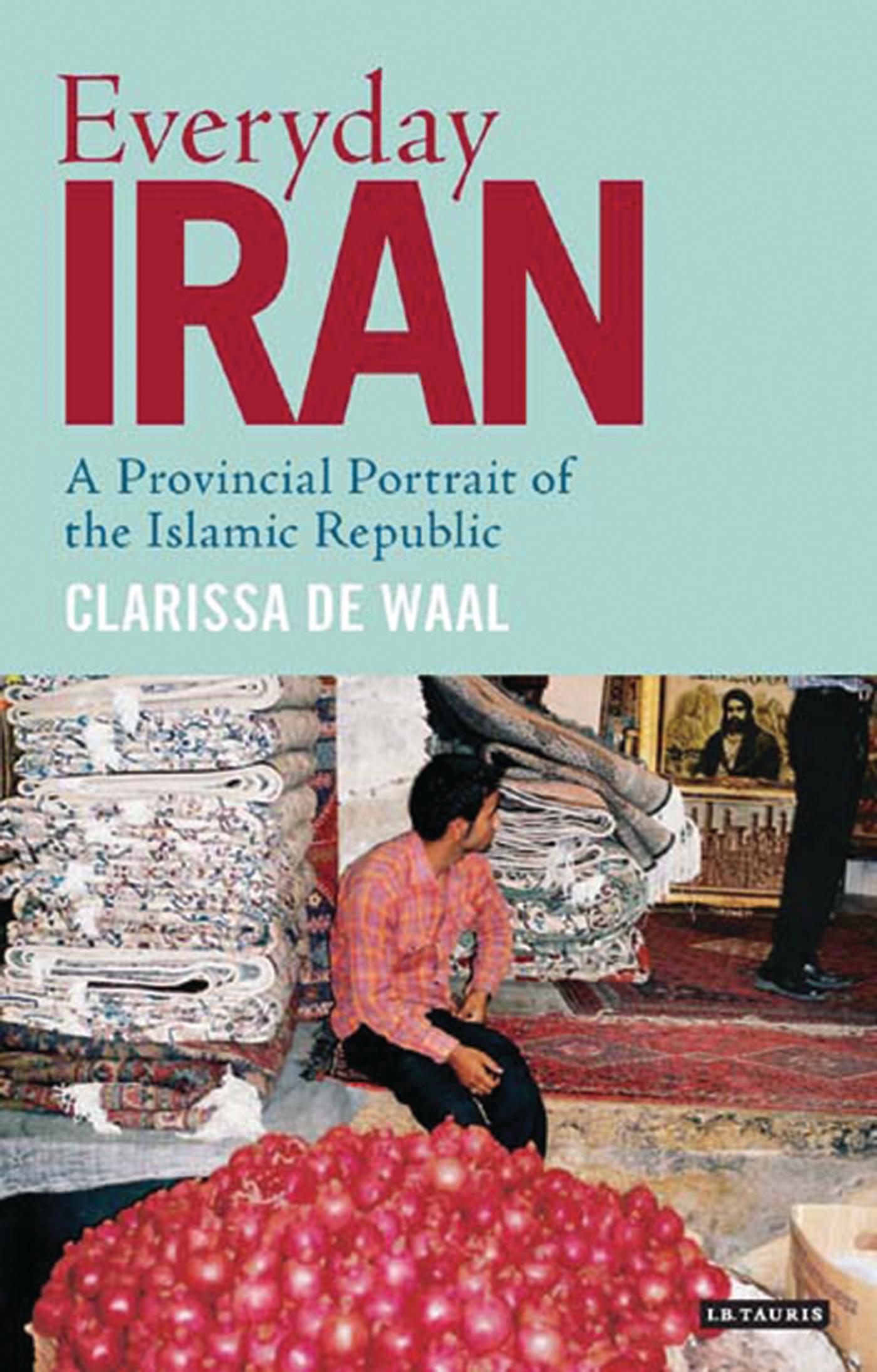
Iran is a country which, despite its extensive coverage in the media, is often regarded as 'mysterious', 'exotic' and 'other-worldly'. This attitude often stems from a focus on the rhetoric of controversial figures in Iranian politics, rather than looking at the everyday lives of Iranians themselves. In this book, Clarissa de Waal uses her training as an anthropologist to examine the experiences of individuals, concentrating on the Fars province in southwest Iran. This serves to highlight contemporary Iran outside of the capital, which so often dominates western understanding of the country.
De Waal interviews a wide range of subjects, from public sector workers and entrepreneurs to Qashqa'i (both settled and nomadic), from students to the unemployed and from hairdressers to university professors. Through these interviews, she offers insight into the commonplace rituals of family interaction, the economics of food and fuel subsidies (and their withdrawal), the pervasiveness of unemployment and the varying approaches to Islam. She explores the extent to which the government of Iran and state-sanctioned religion impinges on citizens at home, work and in their social lives. Yet despite intrusive state interventionism, de Waal encounters inconsistencies between official government strictures and daily life. Satellite dishes, though illegal, are owned by most households, enabling them to watch foreign television from Mexican telenovellas to CNN.
Uniquely, by being there during the 2009 elections, de Waal is also able to examine first-hand the various reactions both to the debate in the run-up to the elections and the huge protests in the wake of the election, recording the diverse responses to the candidates and their political platforms. By focusing on the everyday existence of a variety of Iranians from different backgrounds, de Waal offers insightful analysis concerning ordinary Iranians' lives and the impact the state has on them economically, socially and religiously.
De Waal interviews a wide range of subjects, from public sector workers and entrepreneurs to Qashqa'i (both settled and nomadic), from students to the unemployed and from hairdressers to university professors. Through these interviews, she offers insight into the commonplace rituals of family interaction, the economics of food and fuel subsidies (and their withdrawal), the pervasiveness of unemployment and the varying approaches to Islam. She explores the extent to which the government of Iran and state-sanctioned religion impinges on citizens at home, work and in their social lives. Yet despite intrusive state interventionism, de Waal encounters inconsistencies between official government strictures and daily life. Satellite dishes, though illegal, are owned by most households, enabling them to watch foreign television from Mexican telenovellas to CNN.
Uniquely, by being there during the 2009 elections, de Waal is also able to examine first-hand the various reactions both to the debate in the run-up to the elections and the huge protests in the wake of the election, recording the diverse responses to the candidates and their political platforms. By focusing on the everyday existence of a variety of Iranians from different backgrounds, de Waal offers insightful analysis concerning ordinary Iranians' lives and the impact the state has on them economically, socially and religiously.
Pay easily by card, Klarna, Apple Pay or Google Pay. Not happy? You always have a 14-day money-back guarantee. Read more in our terms. If you have any questions, email us at hello@memmo.org.
Memmo makes studying easier – wherever you are in the world. We bring your course books and smart study tools together in one place: summaries, quizzes, podcasts and flashcards. Plus Ted, your study buddy who answers anything you wonder. Over 50,000 students already study here – built to help you learn faster and stress less.