
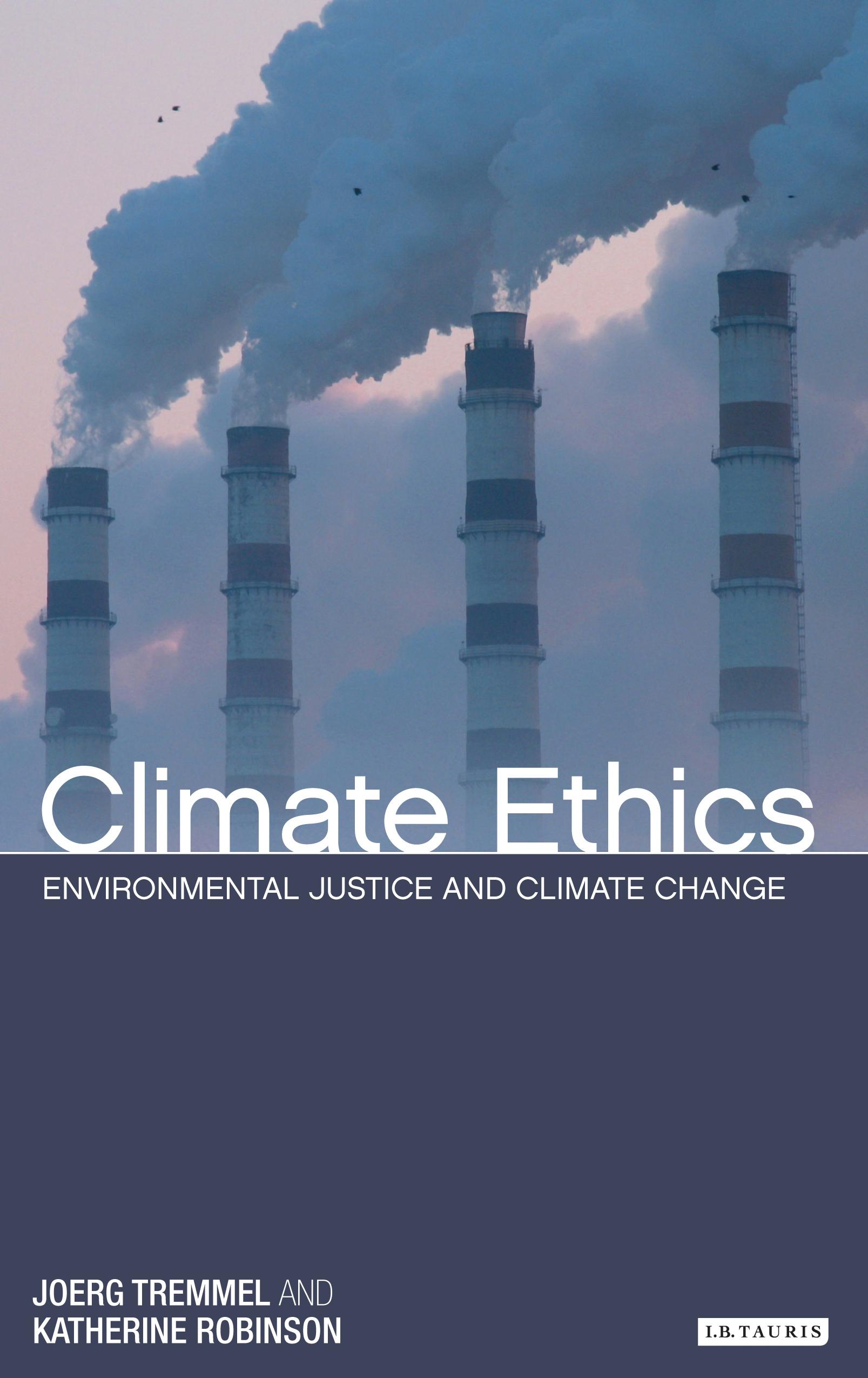
Climate change is perhaps the most important issue of our time and yet despite the urgency of the problem, the measures necessary to mitigate it have not been implemented. International cooperation has not been forthcoming and there remains a general reluctance towards any major change of lifestyle. Given the urgency of the problem, why has so little been done? In Climate Ethics Joerg Tremmel and Katherine Robinson identify the reasons behind this crucial paradox and propose a way forward. In the first part of the book the authors provide an accessible account of the basics of climate change. In clear and accessible terms they explain the science behind climate change and demystify the complicated terminology that so often hinders a proper understanding of the subject. They identify the substances that cause climate change, reveal which industries are responsible and which aspects of people's everyday lives have the highest emissions connected with them. They explore the consequences of ignoring climate change and, importantly, analyse the obstacles to addressing the issues.
In the second part of the book the authors introduce the concept of climate ethics, and explore its importance at a personal, national and international level. They place it firmly at the centre of any successful resolution of the challenges associated with climate change. They review the classical theories of justice and how they relate to climate change, and they examine the complex ethical and moral questions that need to be addressed if long-term solutions are to be found. What moral responsibility do we have to future generations? How should we share out emission rights? Do we take into account past emissions, allowing those who have historically caused more pollution fewer emissions rights than developing countries? Who is to finance the measures to abate climate? And just what is the fairest approach to the politics of climate change on a global scale? The result is an original and timely engagement with one of the most pressing problems facing us and future generations.
In the second part of the book the authors introduce the concept of climate ethics, and explore its importance at a personal, national and international level. They place it firmly at the centre of any successful resolution of the challenges associated with climate change. They review the classical theories of justice and how they relate to climate change, and they examine the complex ethical and moral questions that need to be addressed if long-term solutions are to be found. What moral responsibility do we have to future generations? How should we share out emission rights? Do we take into account past emissions, allowing those who have historically caused more pollution fewer emissions rights than developing countries? Who is to finance the measures to abate climate? And just what is the fairest approach to the politics of climate change on a global scale? The result is an original and timely engagement with one of the most pressing problems facing us and future generations.
Pages: 256
Category: Miljövetenskap & Klimat
e-ISBN: 9780857735973
Shipping weight: 1.2 kg
Ships in: 1-2 days
Pay easily by card, Klarna, Apple Pay or Google Pay. Not happy? You always have a 14-day money-back guarantee. Read more in our terms. If you have any questions, email us at hello@memmo.org.
Memmo makes studying easier – wherever you are in the world. We bring your course books and smart study tools together in one place: summaries, quizzes, podcasts and flashcards. Plus Ted, your study buddy who answers anything you wonder. Over 50,000 students already study here – built to help you learn faster and stress less.