
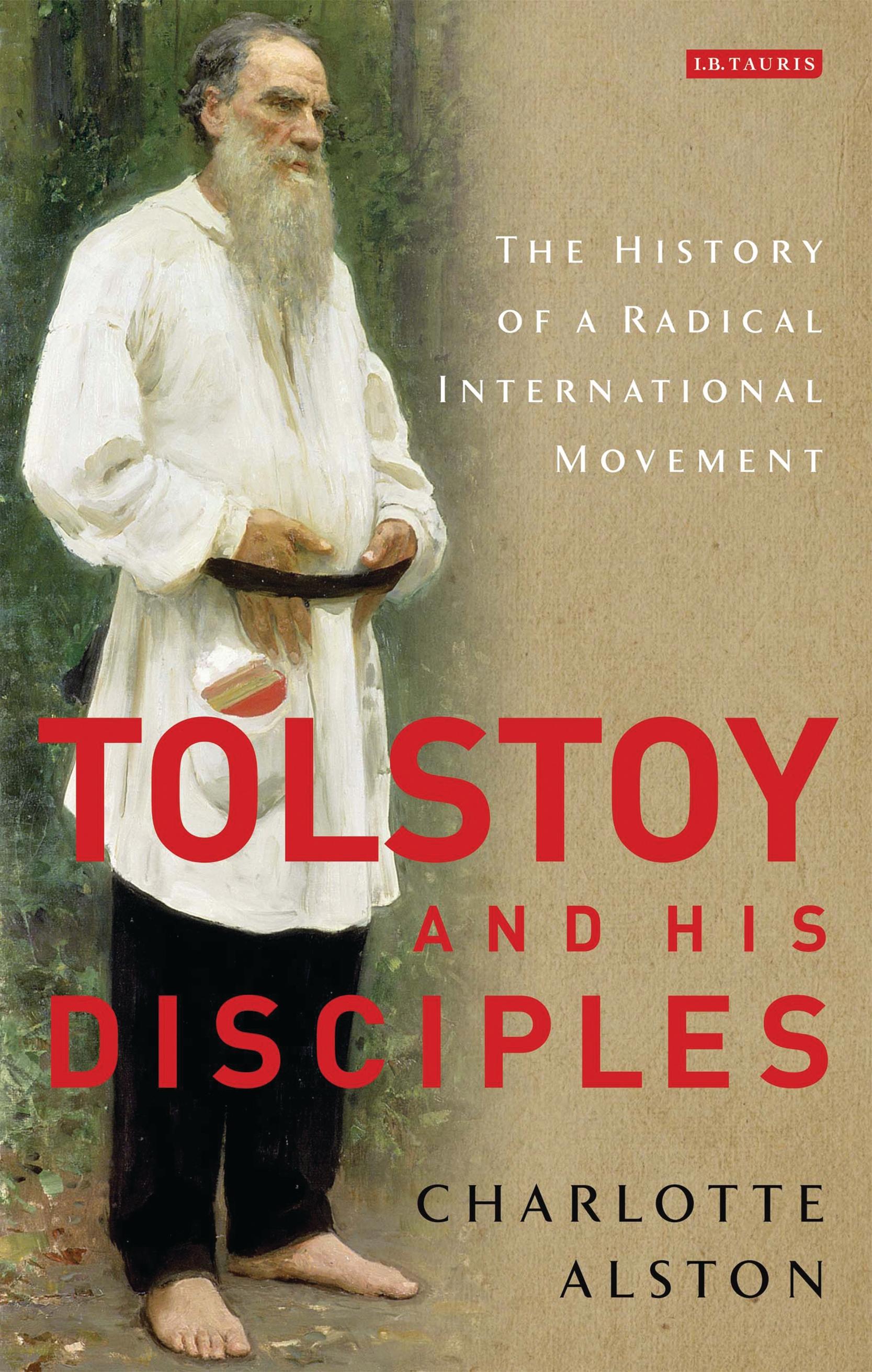
In the last thirty years of his life, Leo Tolstoy developed a moral philosophy that embraced pacifism, vegetarianism, the renunciation of private property, and a refusal to comply with the state. The transformation in his outlook led to his excommunication by the Orthodox Church, and the breakdown of his family life. Internationally, he inspired a legion of followers who formed communities and publishing houses devoted to living and promoting the Tolstoyan life. These enterprises flourished across Europe and the United States in the late nineteenth and early twentieth century, and Tolstoyism influenced individuals as diverse as William Jennings Bryan and Mohandas Gandhi. In this book, Charlotte Alston provides the first in-depth historical account of this remarkable phenomenon, and provides an important re-assessment of Tolstoy's impact on the political life of the late nineteenth and early twentieth century. The book is unique in its treatment of Tolstoyism as an international phenomenon: it explores both the connections between these Tolstoyan groups, and their relationships with other related reform movements.
Pay easily by card, Klarna, Apple Pay or Google Pay. Not happy? You always have a 14-day money-back guarantee. Read more in our terms. If you have any questions, email us at hello@memmo.org.
Memmo makes studying easier – wherever you are in the world. We bring your course books and smart study tools together in one place: summaries, quizzes, podcasts and flashcards. Plus Ted, your study buddy who answers anything you wonder. Over 50,000 students already study here – built to help you learn faster and stress less.