
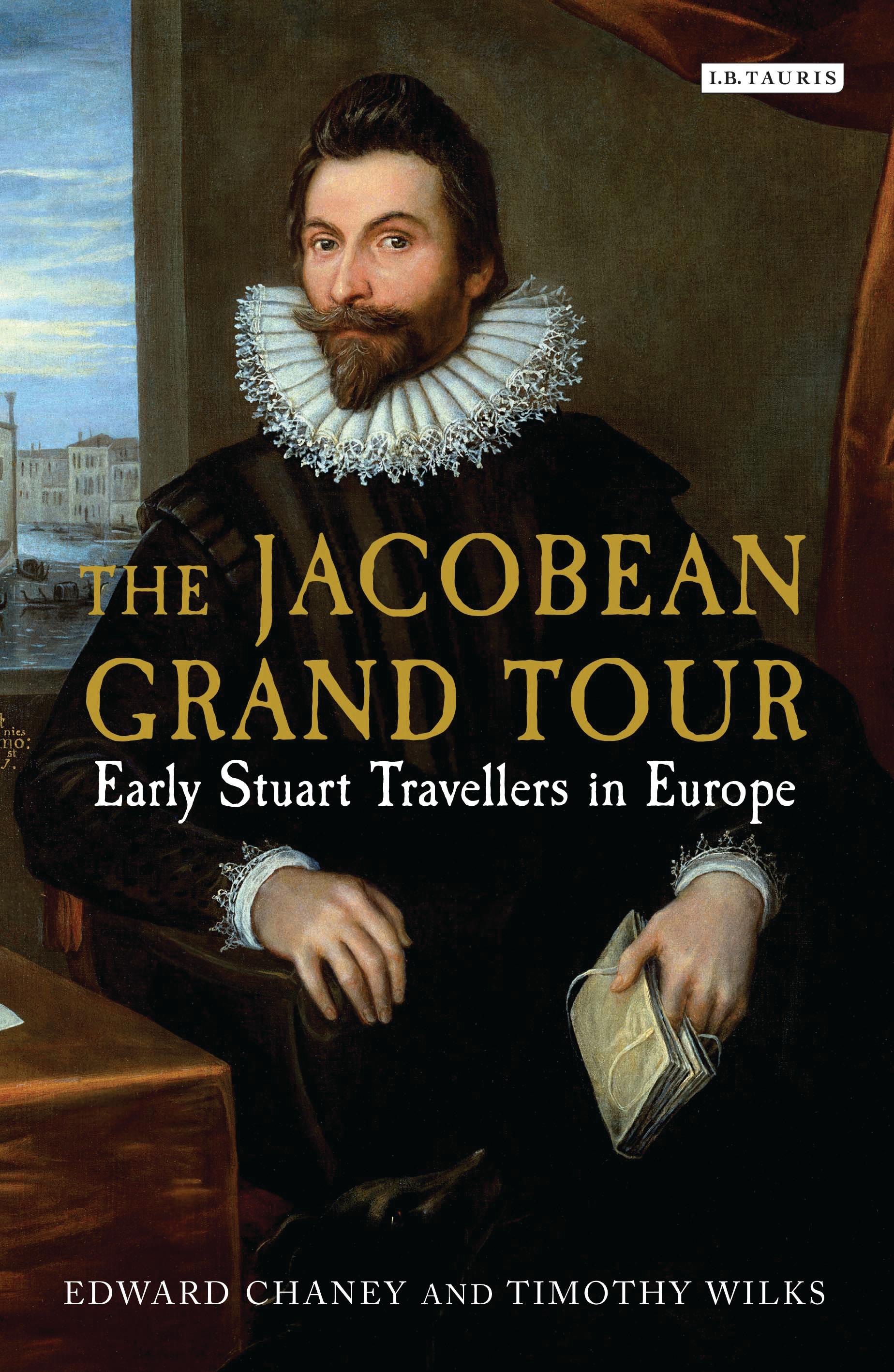
Although the eighteenth century is traditionally seen as the age of the Grand Tour, it was in fact the continental travel of Jacobean noblemen which really constituted the beginning of the Tour as an institutionalized phenomenon. James I's peace treaty with Spain in 1604 rendered travel to Catholic Europe both safer and more respectable than it had been under the Tudors and opened up the continent to a new generation of aristocratic explorers, enquirers and adventurers. This book examines the political and cultural significance of the encounters that resulted, focusing in particular on two of England's greatest, and newly united, families: the Cecils and the Howards. It also considers the ways in which Protestants and Catholics experienced the aesthetic and intellectual stimulus of European travel and how the cultural experiences of the travellers formed the essential ingredients in what became the Grand Tour.
Pay easily by card, Klarna, Apple Pay or Google Pay. Not happy? You always have a 14-day money-back guarantee. Read more in our terms. If you have any questions, email us at hello@memmo.org.
Memmo makes studying easier – wherever you are in the world. We bring your course books and smart study tools together in one place: summaries, quizzes, podcasts and flashcards. Plus Ted, your study buddy who answers anything you wonder. Over 50,000 students already study here – built to help you learn faster and stress less.