
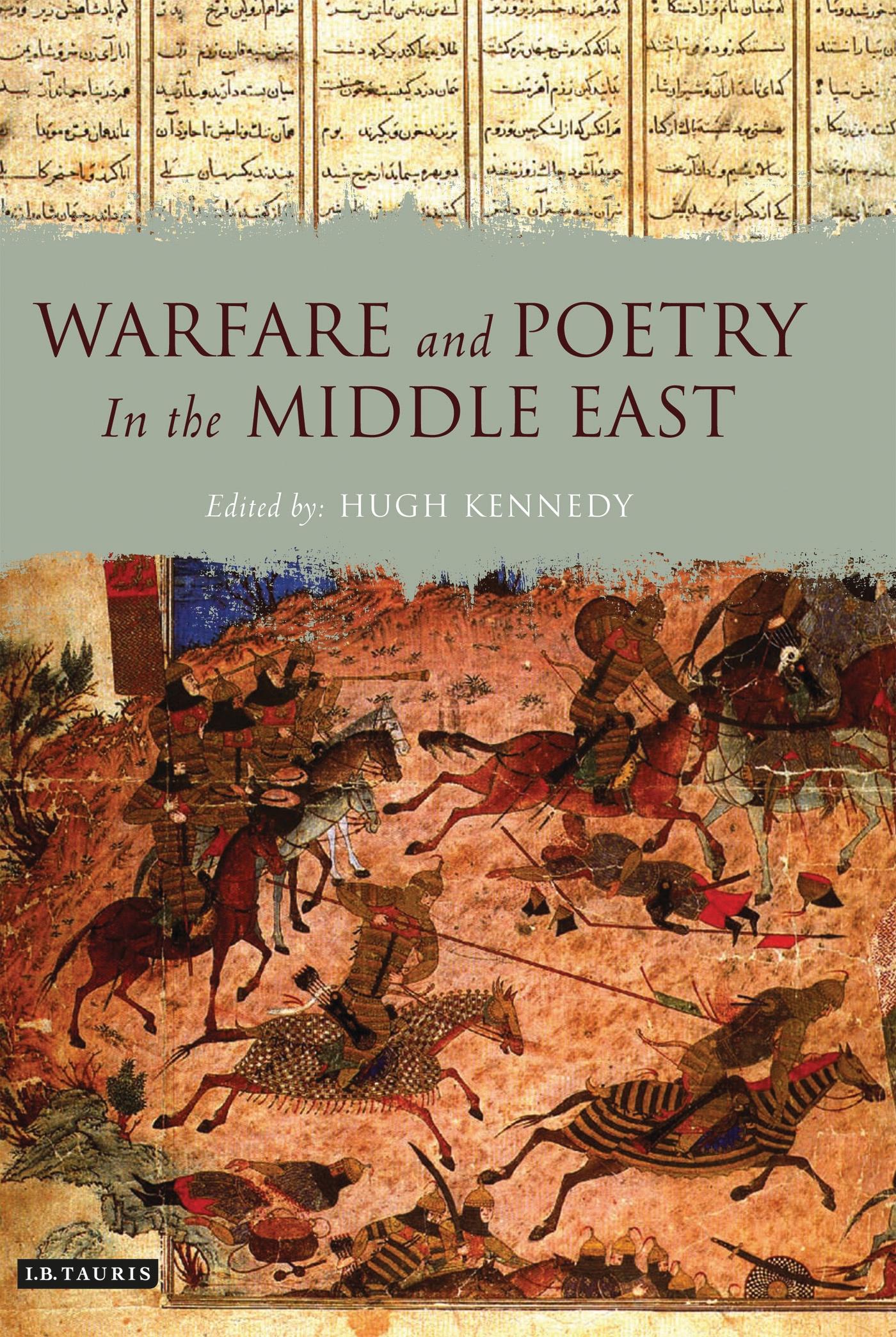
Part of the rich legacy of the Middle East is a poetic record stretching back five millennia. This unparalleled repository of knowledge - across different languages, cultures and religions - allows us to examine continuity and change in human expression from the beginnings of writing to the present day. In Warfare and Poetry in the Middle East leading scholars draw upon this legacy to explore the ways in which poets, from the third millennium bc to the present day, have responded to effects of war. The contributors deal with material in a wide variety of languages - including Sumerian, Hittite, Akkadian, biblical and modern Hebrew, and classical and contemporary Arabic - and range from the Sumerian lament on the destruction of Ur and the Assyrian conquest of Jerusalem to the al-R?miyy?t of the poet and warrior prince Ab? Fir?s al-?amd?n?, the popular Arabic epics and romances that form the siyar, to the contemporary poetry of Hamas and Hezbollah. Some of the poems are heroic in tone celebrating victory and the prowess of warriors and soldiers; others reflect keenly on the pity and destruction of warfare, on the grief and suffering that war causes.The result is a work that provides a unique reflection upon the ways in which this most violent and pervasive of human activities has been reflected in different cultures.
The history of war begins in the Middle East - the earliest reported conflict in human history was fought between the neighbouring city states of Lagash and Umma in ancient Iraq. At a time when the Middle East seems to be permanently at war and wracked by violence, it is salutary to look back at the ancient roots of modern attitudes and to see that in the past, as in the present, these attitudes are much more varied, and the emotions more subtle, than often realised.
The history of war begins in the Middle East - the earliest reported conflict in human history was fought between the neighbouring city states of Lagash and Umma in ancient Iraq. At a time when the Middle East seems to be permanently at war and wracked by violence, it is salutary to look back at the ancient roots of modern attitudes and to see that in the past, as in the present, these attitudes are much more varied, and the emotions more subtle, than often realised.
Pay easily by card, Klarna, Apple Pay or Google Pay. Not happy? You always have a 14-day money-back guarantee. Read more in our terms. If you have any questions, email us at hello@memmo.org.
Memmo makes studying easier – wherever you are in the world. We bring your course books and smart study tools together in one place: summaries, quizzes, podcasts and flashcards. Plus Ted, your study buddy who answers anything you wonder. Over 50,000 students already study here – built to help you learn faster and stress less.