
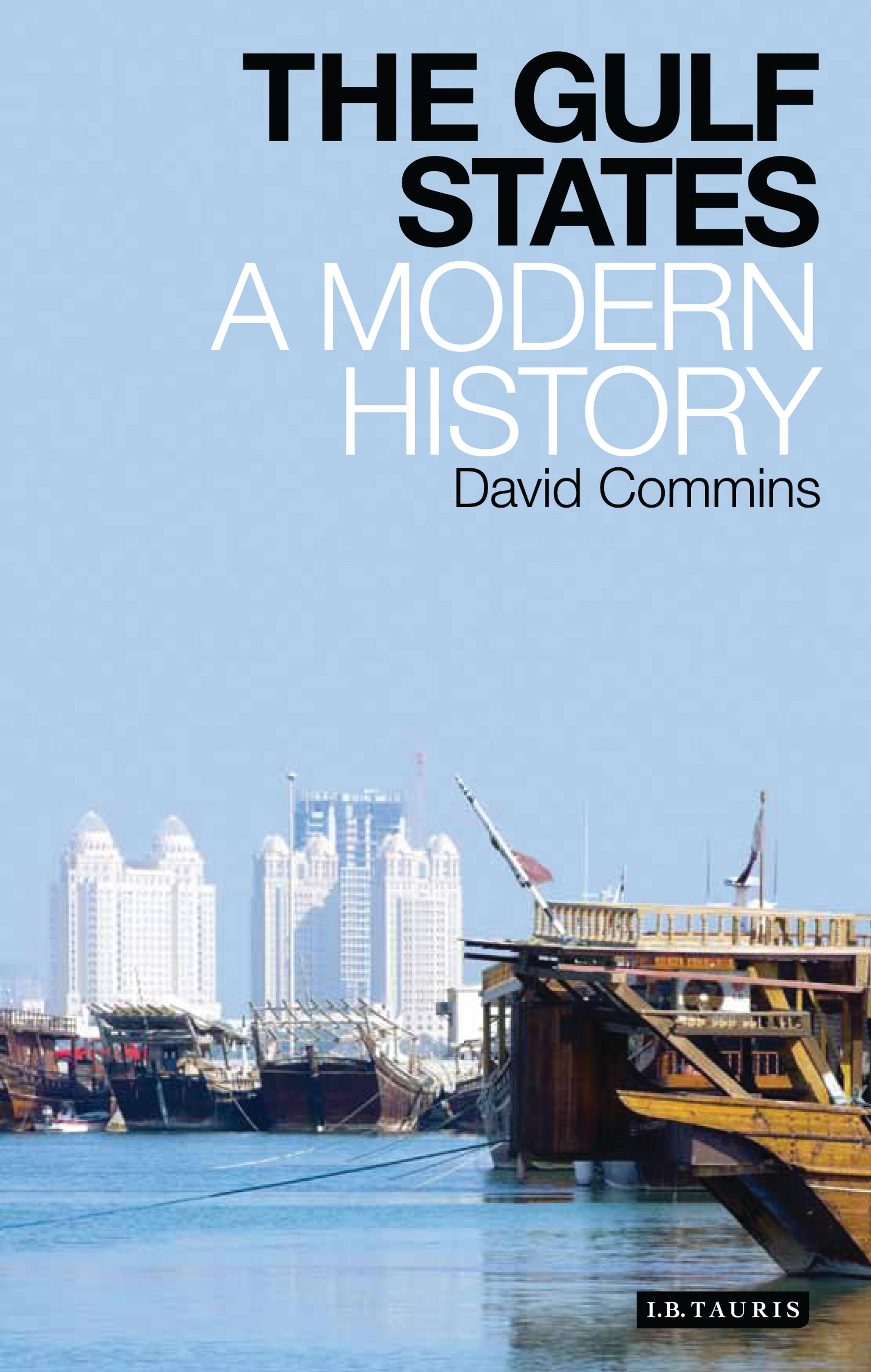
The geopolitical importance of the Gulf region is a source both of great interest and great tension. David Commins here provides an in-depth narrative of the modern political history of the Gulf States, offering a comprehensive and accessible account of their recent development and strategic importance.
This book sets out a detailed study of the region's history, starting from the empires and dynasties of the pre-modern era. Focusing primarily on economic, cultural, religious and social themes, it works its way forward through the pre-modern patterns of the 14th century to the Muslim empires that dominated in the 16th to early 18th centuries, and from the era of British supremacy to the formation of modern states, Arab nationalism and revolution. The motifs of geography, hierarchy and values are interwoven throughout the book as it examines important topics, including the influence of the Ottoman Empire, the rise of Arab dynasties, oil wealth and modern prosperity, and the formation of the Gulf States as we know them today. Commins goes on to examine recent American
involvement in the region, taking examples of American intervention and influence from Kuwait and Iraq, to Iran, Saudi Arabia and Bahrain. Considering America's increasing hegemony since the 1970s, the book compares the American role in the region to that of the earlier British supremacy - crucially linking the financial burdens of American actions to the US future as regional hegemon.
With the importance and impact of the Gulf States continuing to increase, and their futures the subject of much international speculation, this book is an invaluable source of information on the Gulf region's development, essential for students and researchers alike.
This book sets out a detailed study of the region's history, starting from the empires and dynasties of the pre-modern era. Focusing primarily on economic, cultural, religious and social themes, it works its way forward through the pre-modern patterns of the 14th century to the Muslim empires that dominated in the 16th to early 18th centuries, and from the era of British supremacy to the formation of modern states, Arab nationalism and revolution. The motifs of geography, hierarchy and values are interwoven throughout the book as it examines important topics, including the influence of the Ottoman Empire, the rise of Arab dynasties, oil wealth and modern prosperity, and the formation of the Gulf States as we know them today. Commins goes on to examine recent American
involvement in the region, taking examples of American intervention and influence from Kuwait and Iraq, to Iran, Saudi Arabia and Bahrain. Considering America's increasing hegemony since the 1970s, the book compares the American role in the region to that of the earlier British supremacy - crucially linking the financial burdens of American actions to the US future as regional hegemon.
With the importance and impact of the Gulf States continuing to increase, and their futures the subject of much international speculation, this book is an invaluable source of information on the Gulf region's development, essential for students and researchers alike.
Pay easily by card, Klarna, Apple Pay or Google Pay. Not happy? You always have a 14-day money-back guarantee. Read more in our terms. If you have any questions, email us at hello@memmo.org.
Memmo makes studying easier – wherever you are in the world. We bring your course books and smart study tools together in one place: summaries, quizzes, podcasts and flashcards. Plus Ted, your study buddy who answers anything you wonder. Over 50,000 students already study here – built to help you learn faster and stress less.