
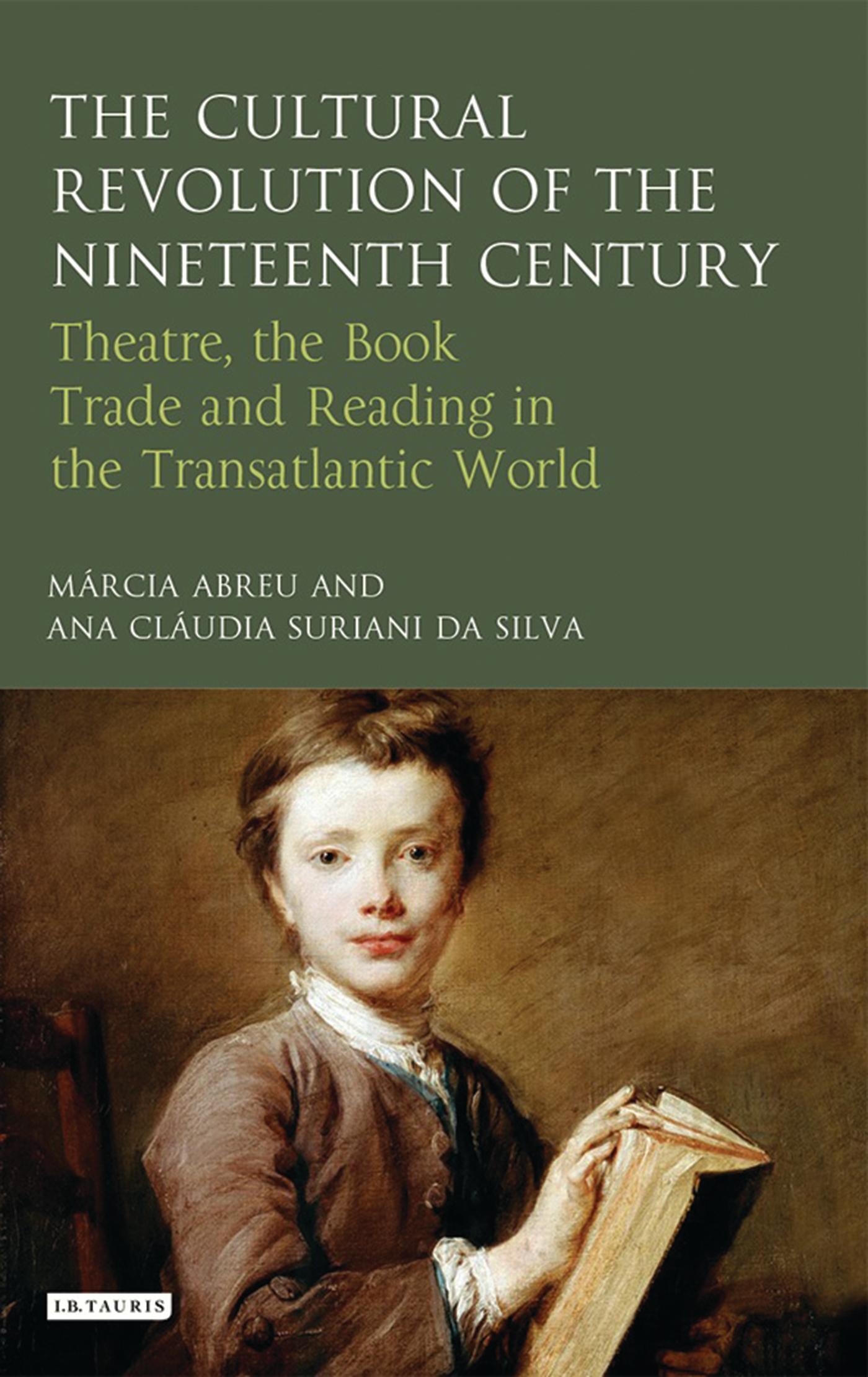
The beginnings of what we now call 'globalization' dates from the early sixteenth century, when Europeans, in particular the Iberian monarchies, began to connect 'the four parts of the world'. From the end of the eighteenth and throughout the nineteenth centuries, technical advancements, such as the growth of the European rail network and the increasing ease of international shipping, narrowed the physical and imagined distances between different parts of the globe. Books, printed matter and theatrical performances were a crucial part of this process and the so-called 'long nineteenth century' saw a remarkable increase in readership and technological improvements that significantly changed the production of printed matter and its relationship with culture. This book analyzes this sea-change in knowledge and sharing of ideas through the prism of the transatlantic diffusion of French, Brazilian, Portuguese and English print-cultures. In particular, it charts the circulation of printed matter, publishers, booksellers and actors between Europe and South America. Featuring a new original essay from Roger Chartier, The Cultural Revolution of the 19th Century is an essential new benchmark in global and transnational history.
Pay easily by card, Klarna, Apple Pay or Google Pay. Not happy? You always have a 14-day money-back guarantee. Read more in our terms. If you have any questions, email us at hello@memmo.org.
Memmo makes studying easier – wherever you are in the world. We bring your course books and smart study tools together in one place: summaries, quizzes, podcasts and flashcards. Plus Ted, your study buddy who answers anything you wonder. Over 50,000 students already study here – built to help you learn faster and stress less.