
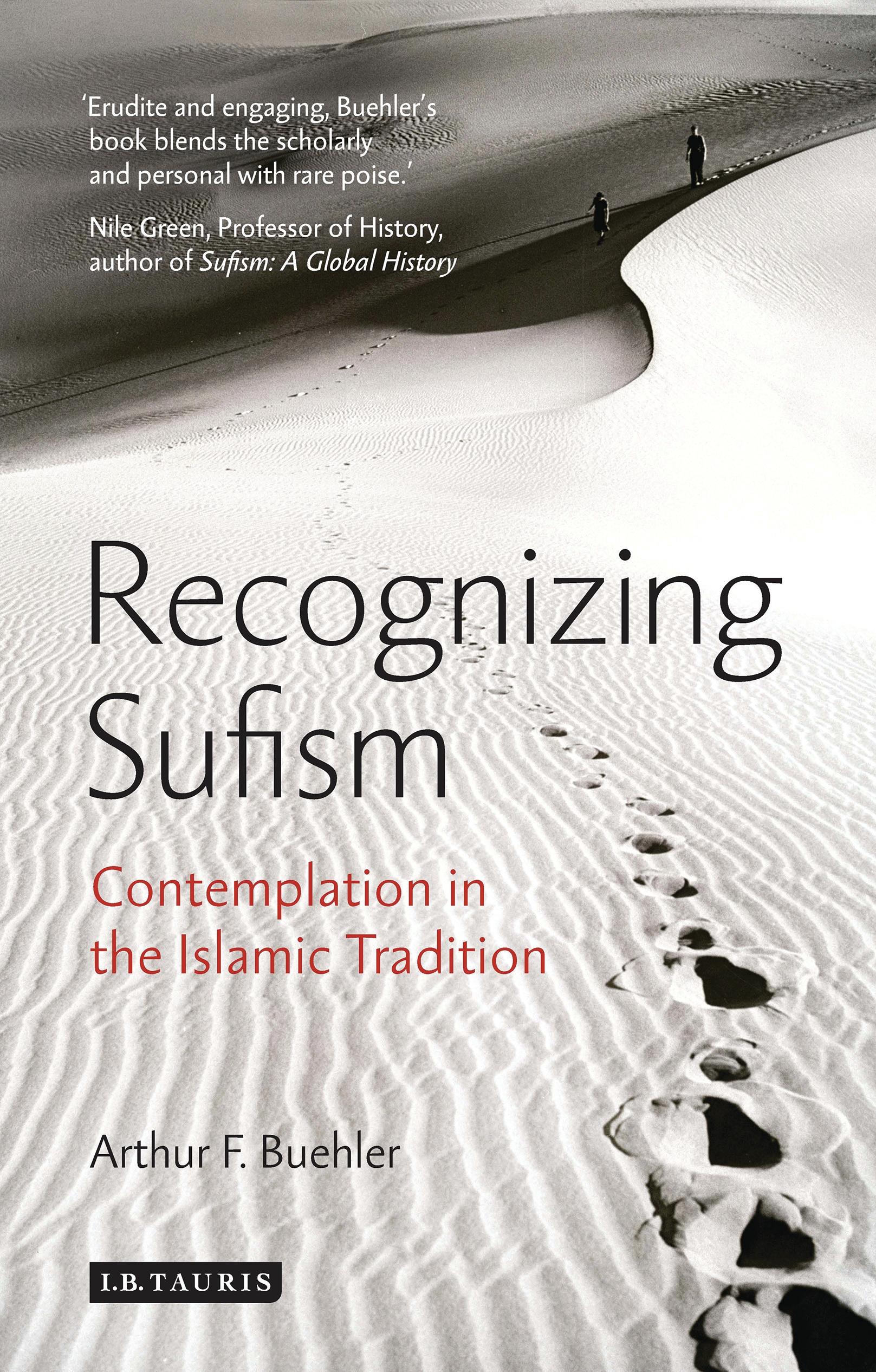
Sufism is all too often associated just with 'mysticism' in the West. The author of this new textbook, a former pupil of Annemarie Schimmel, suggests that conflating Sufism and mysticism is only partially valid. He shows that the vast majority of Sufi practice, both historically and in the contemporary world, has little or nothing to do with a esoteric transcendence but is rather focused on contemplative activity. Such practice might involve art, music, devotional shrine visitation - even politics and psychology. Placing Sufism in a wider Islamic contemplative context enables Arthur F Buehler to examine Sufi history, as well as current application, against a backdrop that is richer and more inclusive than that portrayed in many competing introductory surveys. Discussing the origins of Sufism; the development of Sufi lineages (via three founder figures); Sufi lodges and the role of Sufism in colonial resistance; Sufi poetry; Sufi shrines, and Sufism in the West, the author rescues his topic from the idea that it means only union with the divine. In this original new treatment, Sufism emerges as complex and multi-layered.
Pay easily by card, Klarna, Apple Pay or Google Pay. Not happy? You always have a 14-day money-back guarantee. Read more in our terms. If you have any questions, email us at hello@memmo.org.
Memmo makes studying easier – wherever you are in the world. We bring your course books and smart study tools together in one place: summaries, quizzes, podcasts and flashcards. Plus Ted, your study buddy who answers anything you wonder. Over 50,000 students already study here – built to help you learn faster and stress less.