
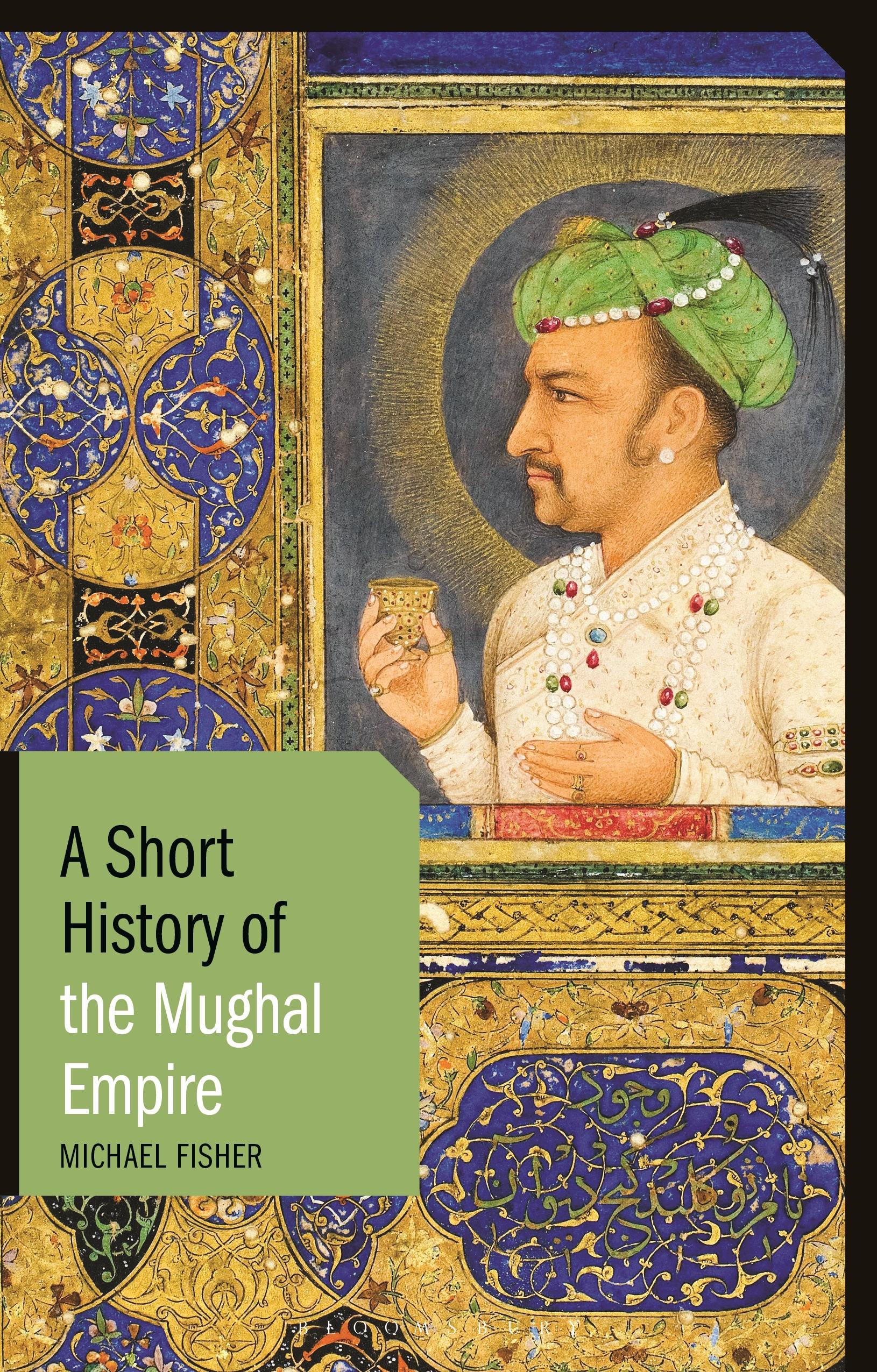
The Mughal Empire dominated India politically, culturally, socially, economically and environmentally, from its foundation by Babur, a Central Asian adventurer, in 1526 to the final trial and exile of the last emperor Bahadur Shah Zafar at the hands of the British in 1858. Throughout the empire's three centuries of rise, preeminence and decline, it remained a dynamic and complex entity within and against which diverse peoples and interests conflicted. The empire's significance continues to be controversial among scholars and politicians with fresh and exciting new insights, theories and interpretations being put forward in recent years. This book engages students and general readers with a clear, lively and informed narrative of the core political events, the struggles and interactions of key individuals, groups and cultures, and of the contending historiographical arguments surrounding the Mughal Empire.
Pay easily by card, Klarna, Apple Pay or Google Pay. Not happy? You always have a 14-day money-back guarantee. Read more in our terms. If you have any questions, email us at hello@memmo.org.
Memmo makes studying easier – wherever you are in the world. We bring your course books and smart study tools together in one place: summaries, quizzes, podcasts and flashcards. Plus Ted, your study buddy who answers anything you wonder. Over 50,000 students already study here – built to help you learn faster and stress less.