
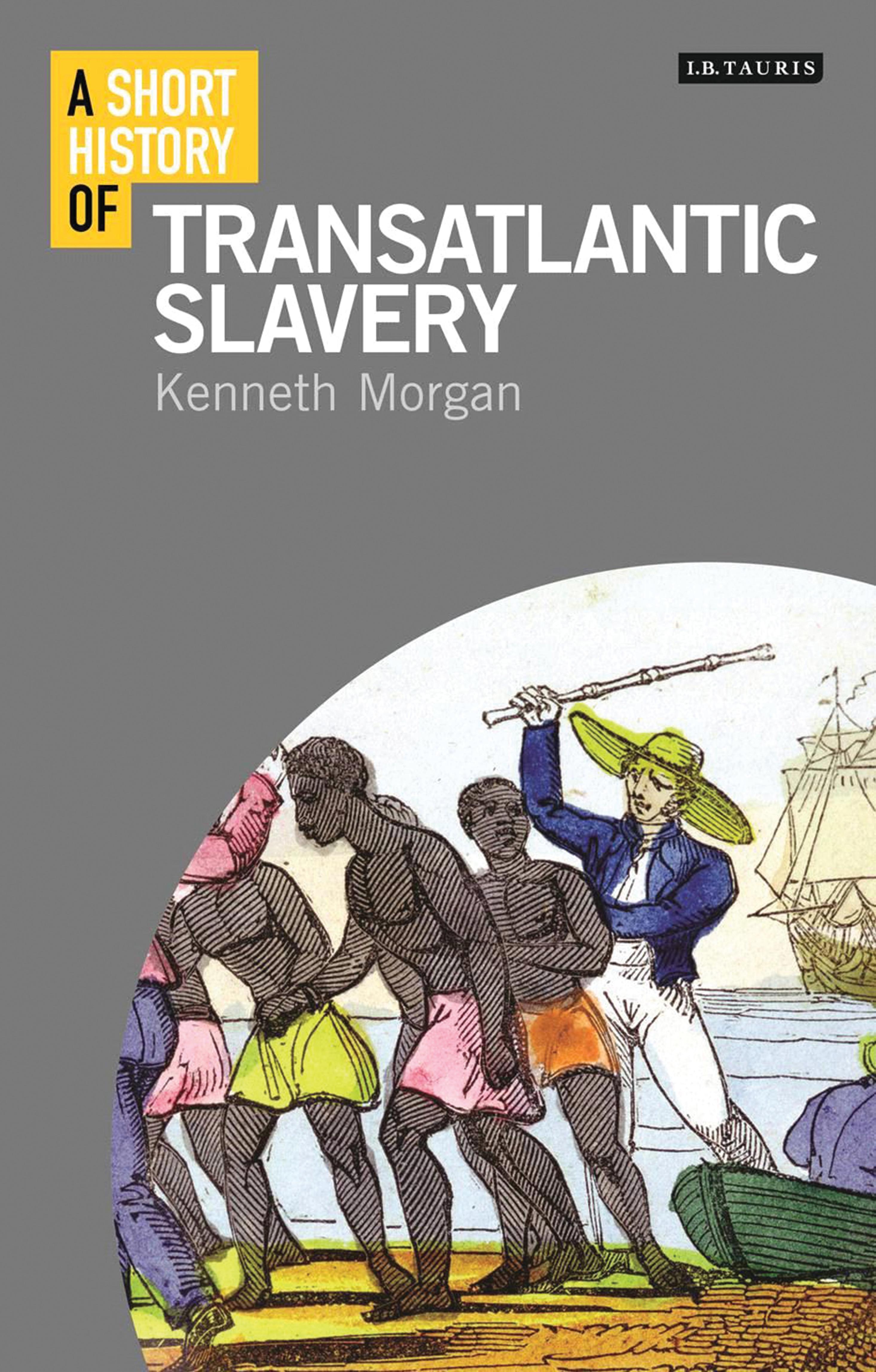
From 1501, when the first slaves arrived in Hispaniola, until the nineteenth century, some twelve million people were abducted from west Africa and shipped across thousands of miles of ocean - the infamous Middle Passage - to work in the colonies of the New World. Perhaps two million Africans died at sea. Why was slavery so widely condoned, during most of this period, by leading lawyers, religious leaders, politicians and philosophers? How was it that the educated classes of the western world were prepared for so long to accept and promote an institution that would later ages be condemned as barbaric? Exploring these and other questions - and the slave experience on the sugar, rice, coffee and cotton plantations - Kenneth Morgan discusses the rise of a distinctively Creole culture; slave revolts, including the successful revolution in Haiti (1791-1804); and the rise of abolitionism, when the ideas of Montesquieu, Wilberforce, Quakers and others led to the slave trade's systemic demise. At a time when the menace of human trafficking is of increasing concern worldwide, this timely book reflects on the deeper motivations of slavery as both ideology and merchant institution.
Pay easily by card, Klarna, Apple Pay or Google Pay. Not happy? You always have a 14-day money-back guarantee. Read more in our terms. If you have any questions, email us at hello@memmo.org.
Memmo makes studying easier – wherever you are in the world. We bring your course books and smart study tools together in one place: summaries, quizzes, podcasts and flashcards. Plus Ted, your study buddy who answers anything you wonder. Over 50,000 students already study here – built to help you learn faster and stress less.