
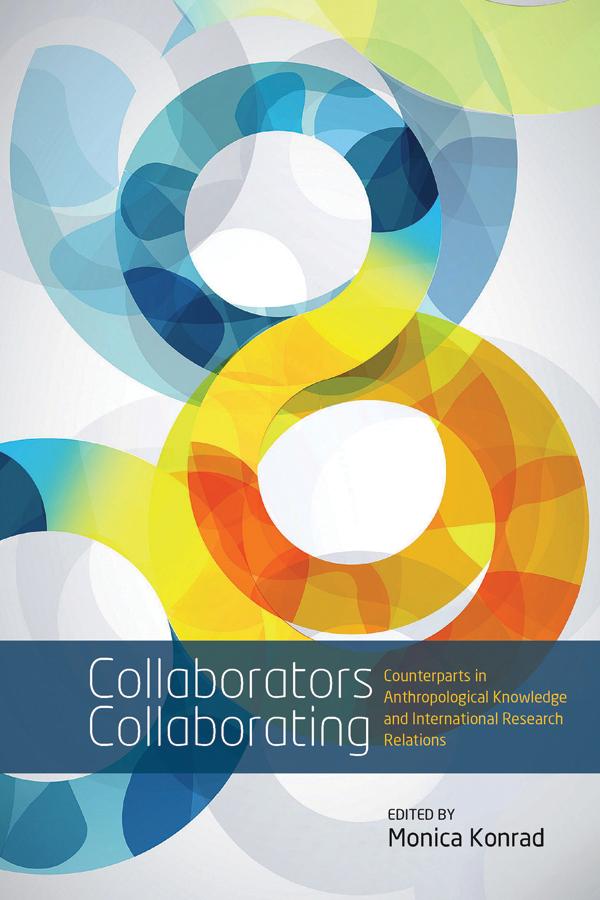
As bio-capital in the form of medical knowledge, skills and investments moves with greater frequency from its origin in First World industrialized settings to resource-poor communities with weak or little infrastructure, countries with emerging economies are starting to expand new indigenous science bases of their own. The case studies here, from the UK, West Africa, Sri Lanka, Papua New Guinea, Latin America and elsewhere, explore the forms of collaborative knowledge relations in play and the effects of ethics review and legal systems on local communities, and also demonstrate how anthropologically-informed insights may hope to influence key policy debates. Questions of governance in science and technology, as well as ethical issues related to bio-innovation, are increasingly being featured as topics of complex resourcing and international debate, and this volume is a much-needed resource for interdisciplinary practitioners and specialists in medical anthropology, social theory, corporate ethics, science and technology studies.
Pay easily by card, Klarna, Apple Pay or Google Pay. Not happy? You always have a 14-day money-back guarantee. Read more in our terms. If you have any questions, email us at hello@memmo.org.
Memmo makes studying easier – wherever you are in the world. We bring your course books and smart study tools together in one place: summaries, quizzes, podcasts and flashcards. Plus Ted, your study buddy who answers anything you wonder. Over 50,000 students already study here – built to help you learn faster and stress less.