
Choice Outstanding Academic Title of 2017
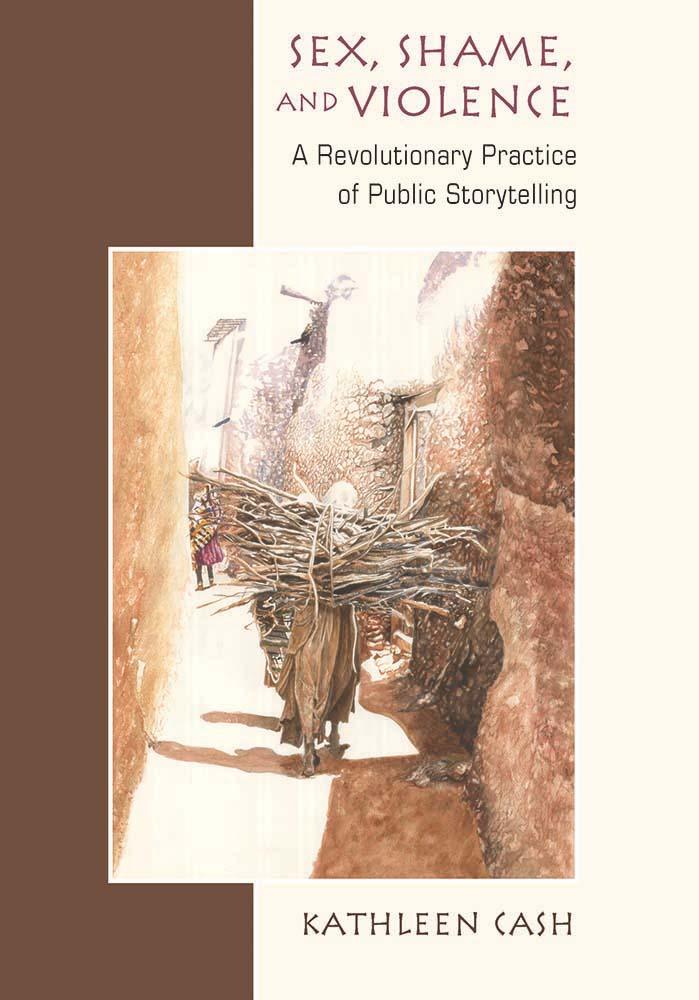
For more than three decades, Kathleen Cash has lived and worked with impoverished people, learning about their lives. Listening to them talk about their feelings of shame, Cash heard how people suffered from being unable to change what was happening to them--HIV infection, sexual and domestic violence, violence toward children, and environmental degradation. She saw that many interventions lacked emotional and cultural integrity and thus did little to alleviate these hardships. So Cash went outside the conventional approaches to health promotion and social justice and devised a community narrative practice, a strategy for engaging people through storytelling. From numerous ethnographic interviews, she pieced together cultural stories in a way that resonated with community people and revealed the paradoxes in their suffering. Cash recruited local artists to illustrate the stories in a form resembling a graphic novel and distributed these booklets for community discussion. (This book includes excerpts from these illustrated stories.)
In Thailand, Bangladesh, Haiti, Uganda, and the United States, people learned to talk about forbidden subjects and say what they could never say before. They stood up to each other, reconciled, and made health-seeking decisions. By helping others, they repaired themselves. In cathartic conversations they acknowledged shame, which led to acts of courage and generosity.
For more than three decades, Kathleen Cash has lived and worked with impoverished people, learning about their lives. Listening to them talk about their feelings of shame, Cash heard how people suffered from being unable to change what was happening to them--HIV infection, sexual and domestic violence, violence toward children, and environmental degradation. She saw that many interventions lacked emotional and cultural integrity and thus did little to alleviate these hardships. So Cash went outside the conventional approaches to health promotion and social justice and devised a community narrative practice, a strategy for engaging people through storytelling. From numerous ethnographic interviews, she pieced together cultural stories in a way that resonated with community people and revealed the paradoxes in their suffering. Cash recruited local artists to illustrate the stories in a form resembling a graphic novel and distributed these booklets for community discussion. (This book includes excerpts from these illustrated stories.)
In Thailand, Bangladesh, Haiti, Uganda, and the United States, people learned to talk about forbidden subjects and say what they could never say before. They stood up to each other, reconciled, and made health-seeking decisions. By helping others, they repaired themselves. In cathartic conversations they acknowledged shame, which led to acts of courage and generosity.
Pay easily by card, Klarna, Apple Pay or Google Pay. Not happy? You always have a 14-day money-back guarantee. Read more in our terms. If you have any questions, email us at hello@memmo.org.
Memmo makes studying easier – wherever you are in the world. We bring your course books and smart study tools together in one place: summaries, quizzes, podcasts and flashcards. Plus Ted, your study buddy who answers anything you wonder. Over 50,000 students already study here – built to help you learn faster and stress less.
You might also like
Buy the book0