
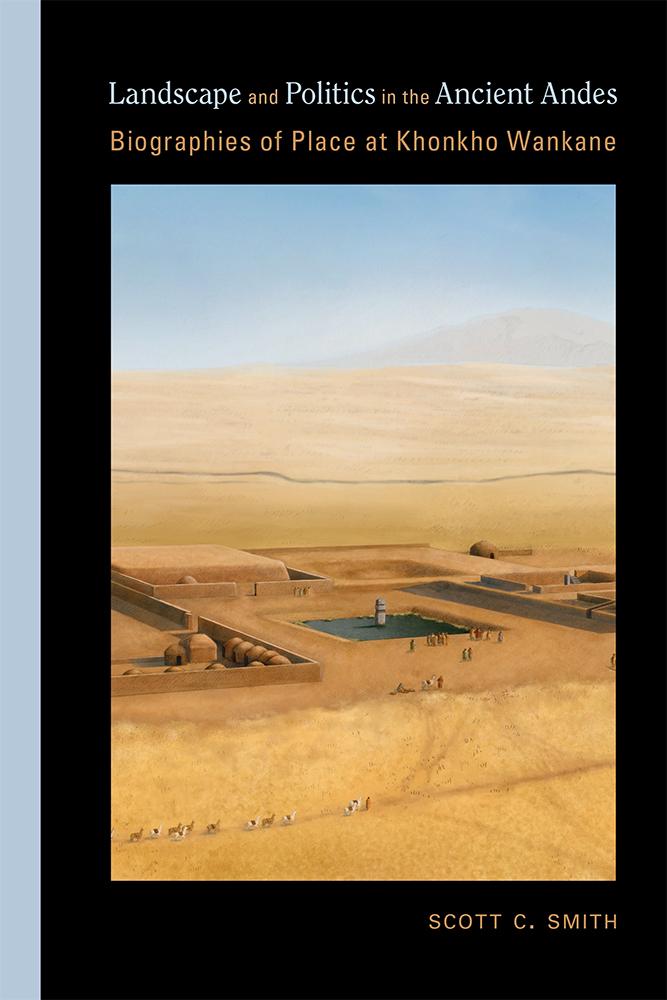
This book is a study of the ways places are created and how they attain meaning. Smith presents archaeological data from Khonkho Wankane in the southern Lake Titicaca basin of Bolivia to explore how landscapes were imagined and constructed during processes of political centralization in this region. In particular he examines landscapes of movement and the development of powerful political and religious centers during the Late Formative period (200 BC–AD 500), just before the emergence of the urban state centered at Tiwanaku (AD 500–1100).
Late Formative politico-religious centers, Smith notes, were characterized by mobile populations of agropastoralists and caravan drovers. By exploring ritual practice at Late Formative settlements, Smith provides a new way of looking at political centralization, incipient urbanism, and state formation at Tiwanaku.
Pay easily by card, Klarna, Apple Pay or Google Pay. Not happy? You always have a 14-day money-back guarantee. Read more in our terms. If you have any questions, email us at hello@memmo.org.
Memmo makes studying easier – wherever you are in the world. We bring your course books and smart study tools together in one place: summaries, quizzes, podcasts and flashcards. Plus Ted, your study buddy who answers anything you wonder. Over 75,000 students already study here – built to help you learn faster and stress less.