
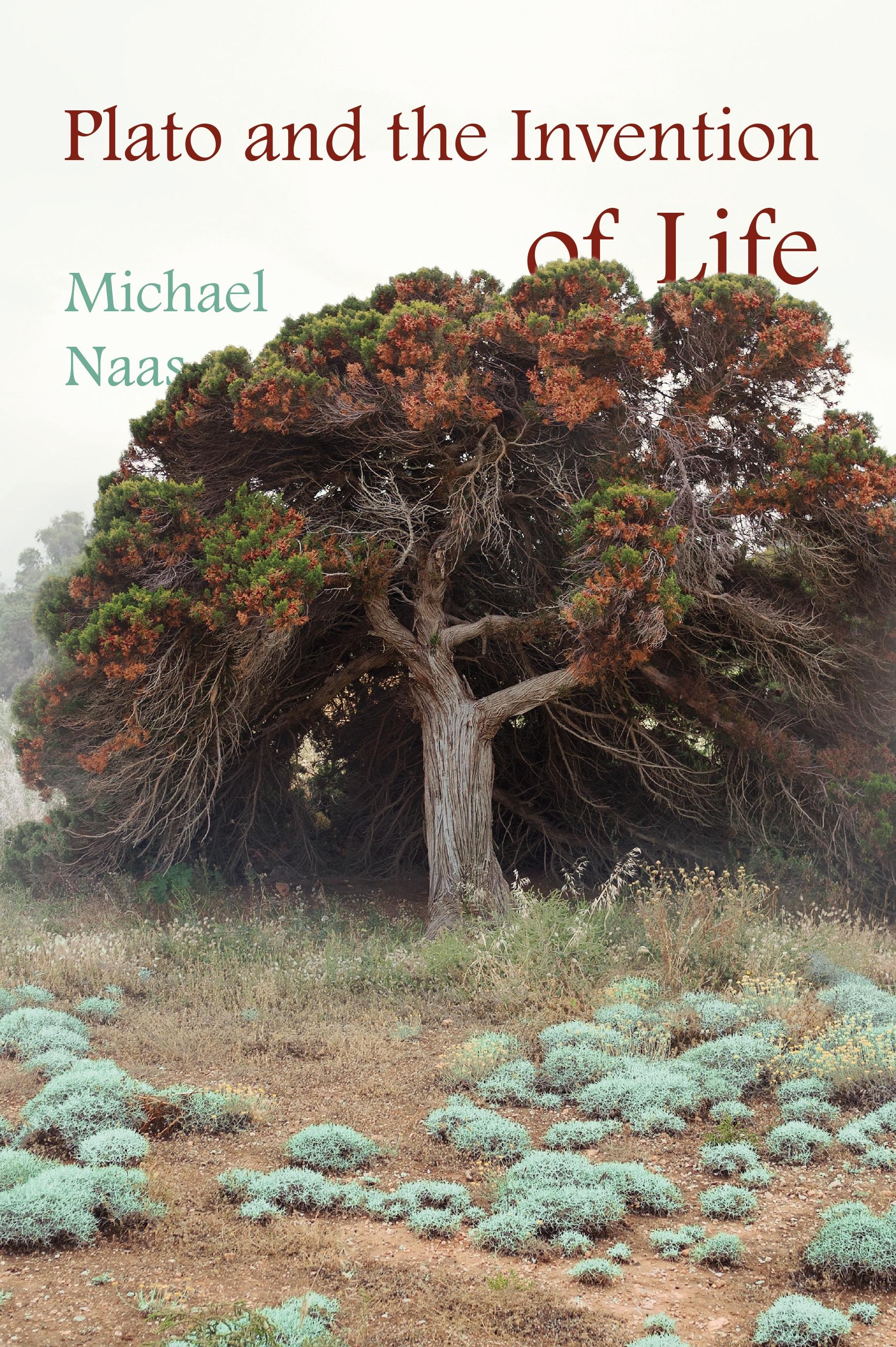
The question of life, Michael Naas argues, though rarely foregrounded by Plato, runs through and structures his thought. By characterizing being in terms of life, Plato in many of his later dialogues, including the Statesman, begins to discover—or, better, to invent—a notion of true or real life that would be opposed to all merely biological or animal life, a form of life that would be more valuable than everything we call life and every life that can actually be lived.
This emphasis on life in the Platonic dialogues illuminates the structural relationship between many of Plato’s most time-honored distinctions, such as being and becoming, soul and body. At the same time, it helps to explain the enormous power and authority that Plato’s thought has exercised, for good or ill, over our entire philosophical and religious tradition.
Lucid yet sophisticated, Naas’s account offers a fundamental rereading of what the concept of life entails, one that inflects a range of contemporary conversations, from biopolitics, to the new materialisms, to the place of the human within the living world.
Pay easily by card, Klarna, Apple Pay or Google Pay. Not happy? You always have a 14-day money-back guarantee. Read more in our terms. If you have any questions, email us at hello@memmo.org.
Memmo makes studying easier – wherever you are in the world. We bring your course books and smart study tools together in one place: summaries, quizzes, podcasts and flashcards. Plus Ted, your study buddy who answers anything you wonder. Over 50,000 students already study here – built to help you learn faster and stress less.