
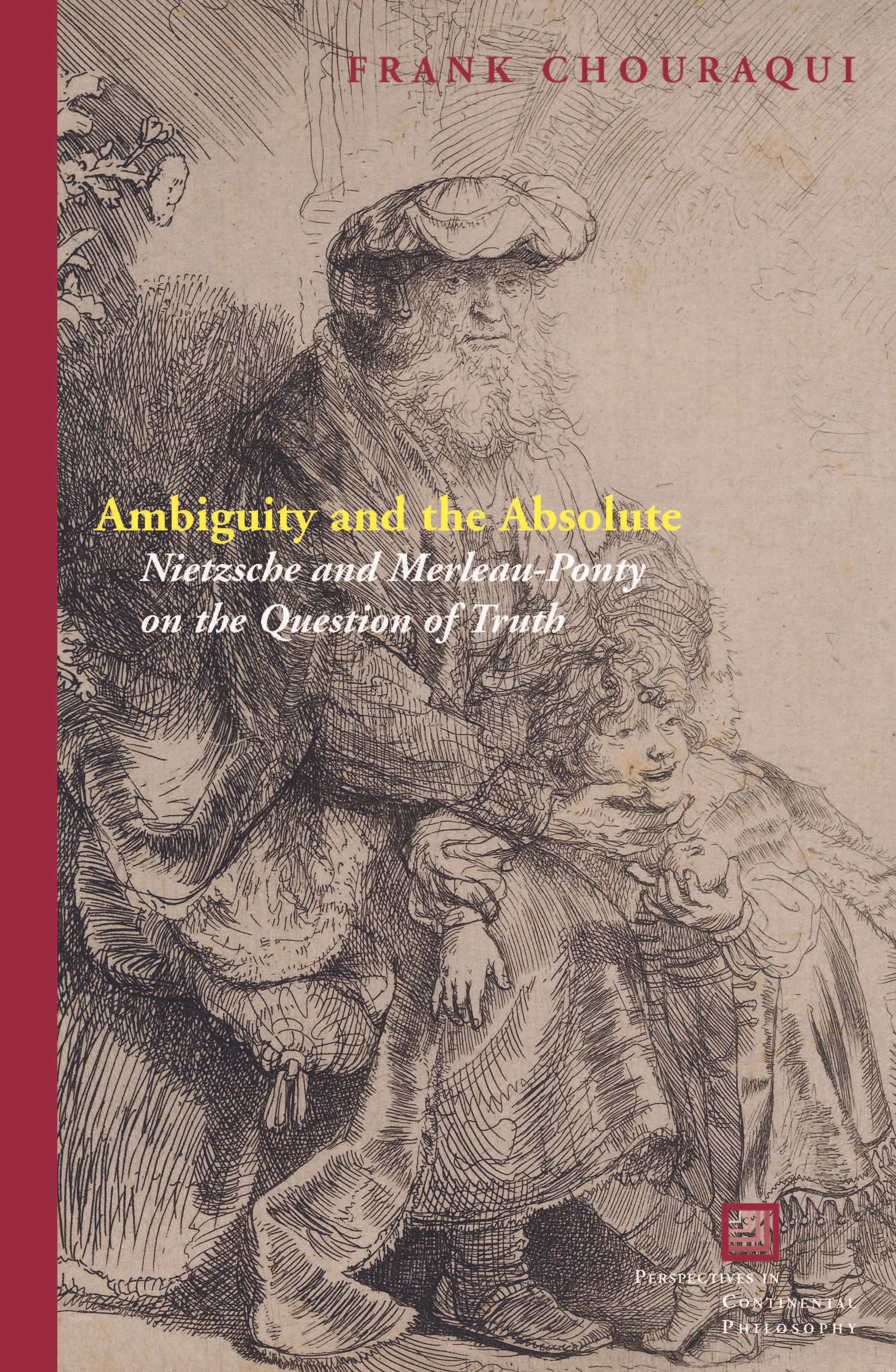
Friedrich Nietzsche and Maurice Merleau-Ponty, Chouraqui argues, are linked by how they conceive the question of truth. Although both thinkers criticize the traditional concept of truth as objectivity, they both find that rejecting it does not solve the problem. What is it in our natural existence that gave rise to the notion of truth?
The answer to that question is threefold. First, Nietzsche and Merleau-Ponty both propose a genealogy of “truth” in which to exist means to make implicit truth claims. Second, both seek to recover the preobjective ground from which truth as an erroneous concept arose. Finally, this attempt at recovery leads both thinkers to ontological considerations regarding how we must conceive of a being whose structure allows for the existence of the belief in truth. In conclusion, Chouraqui suggests that both thinkers’ investigations of the question of truth lead them to conceive of being as the process of self-falsification by which indeterminate being presents itself as determinate.
Pay easily by card, Klarna, Apple Pay or Google Pay. Not happy? You always have a 14-day money-back guarantee. Read more in our terms. If you have any questions, email us at hello@memmo.org.
Memmo makes studying easier – wherever you are in the world. We bring your course books and smart study tools together in one place: summaries, quizzes, podcasts and flashcards. Plus Ted, your study buddy who answers anything you wonder. Over 50,000 students already study here – built to help you learn faster and stress less.