
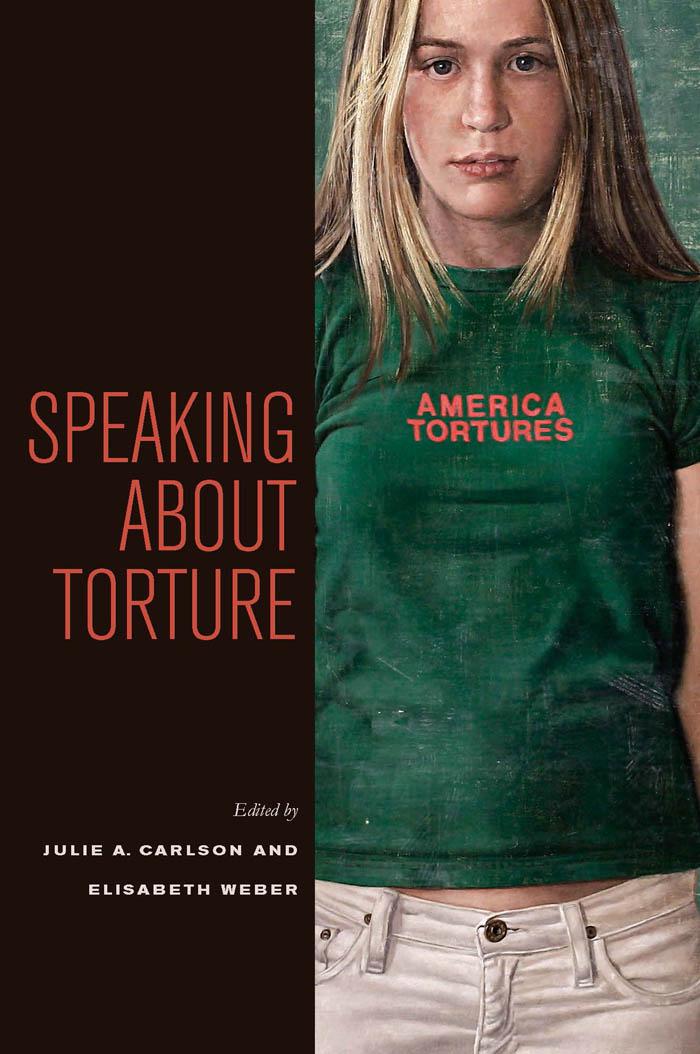
This collection of essays is the first book to take up the urgent issue of torture from the array of approaches offered by the arts and humanities. In the post-9/11 era, where we are once again compelled to entertain debates about the legality of torture, this volume speaks about the practice in an effort to challenge the surprisingly widespread acceptance of state-sanctioned torture among Americans, including academics and the media–entertainment complex. Speaking about Torture also claims that the concepts and techniques practiced in the humanities have a special contribution to make to this debate, going beyond what is usually deemed a matter of policy for experts in government and the social sciences. It contends that the way one speaks about torture—including that one speaks about it—is key to comprehending, legislating, and eradicating torture. That is, we cannot discuss torture without taking into account the assaults on truth, memory, subjectivity, and language that the humanities theorize and that the experience of torture perpetuates. Such accounts are crucial to framing the silencing and demonizing that accompany the practice and representation of torture.
Written by scholars in literary analysis, philosophy, history, film and media studies, musicology, and art history working in the United States, Europe, and the Middle East, the essays in this volume speak from a conviction that torture does not work to elicit truth, secure justice, or maintain security. They engage in various ways with the limits that torture imposes on language, on subjects and community, and on governmental officials, while also confronting the complicity of artists and humanists in torture through their silence, forms of silencing, and classic means of representation. Acknowledging this history is central to the volume’s advocacy of speaking about torture through the forms of witness offered and summoned by the humanities.
Pay easily by card, Klarna, Apple Pay or Google Pay. Not happy? You always have a 14-day money-back guarantee. Read more in our terms. If you have any questions, email us at hello@memmo.org.
Memmo makes studying easier – wherever you are in the world. We bring your course books and smart study tools together in one place: summaries, quizzes, podcasts and flashcards. Plus Ted, your study buddy who answers anything you wonder. Over 50,000 students already study here – built to help you learn faster and stress less.