
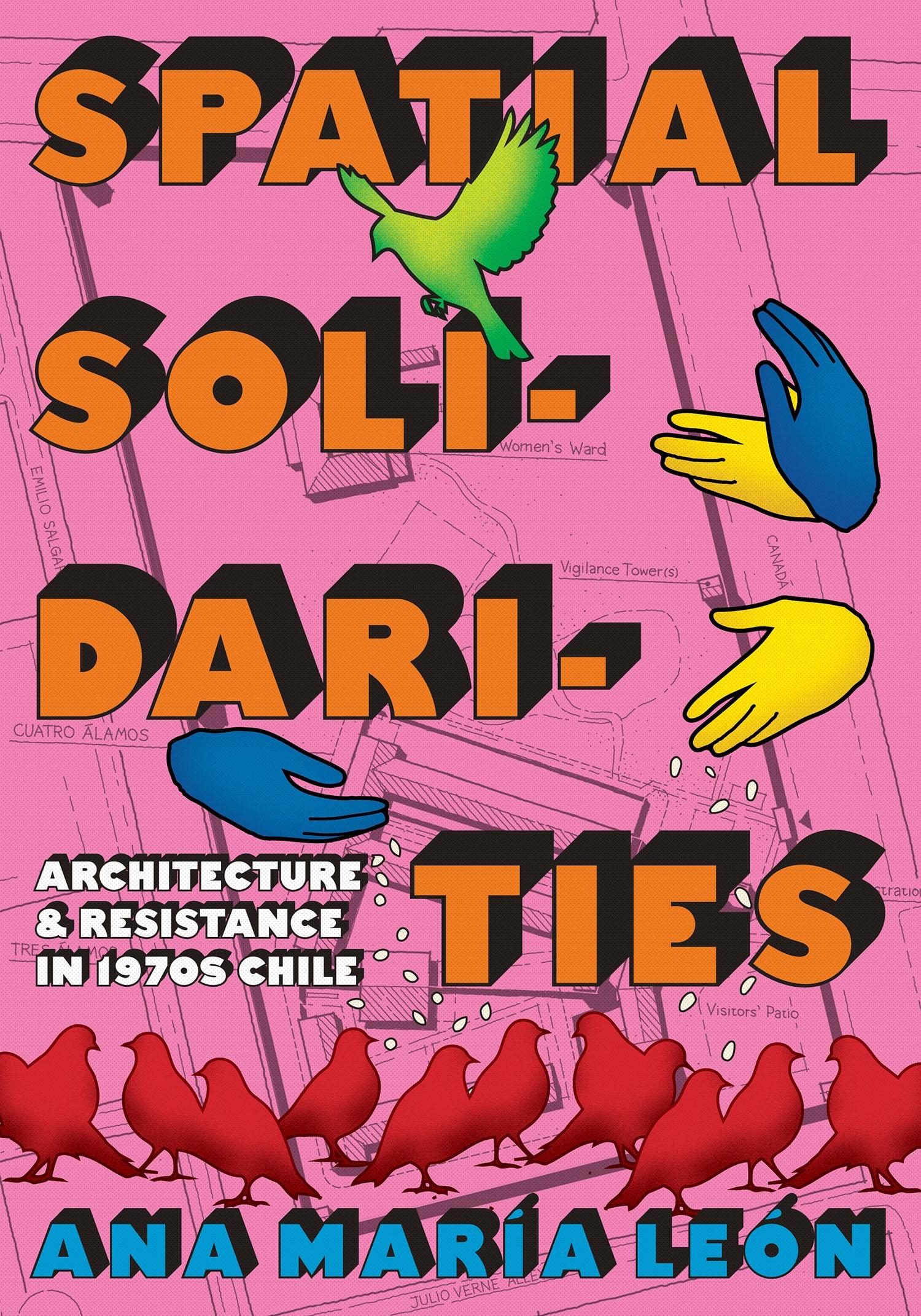
Between 1973 and 1990, the authoritarian military dictatorship of Chile maintained its control through a network of detention and torture centers designed to create fear and isolation. Spatial Solidarities illuminates how architects, artists, activists, and other political agents resisted the Chilean regime through spatial practices. Within these spaces, prisoners responded creatively: producing drawings, performances, and architectural projects; rearranging their bodies and living areas; and connecting through songs, shadows, and mutual care. They collected resources, created systems of mutual aid, and smuggled out site plans and names to expose the regime’s crimes. Some imagined their detention centers as free towns, reversing the logic of imprisonment through theatrical acts. These cultural responses, Ana María León argues, are forms of spatial solidarity—acts of connection, care, and imagination. By focusing on spatial history, León reclaims the experiences of the disappeared through the spaces they shaped, conveying how architecture can be a tool for resistance, justice, and collective survival.
Category: Arkitektur & Stadsplanering
e-ISBN: 9780822992745
Pay easily by card, Klarna, Apple Pay or Google Pay. Not happy? You always have a 14-day money-back guarantee. Read more in our terms. If you have any questions, email us at hello@memmo.org.
Memmo makes studying easier – wherever you are in the world. We bring your course books and smart study tools together in one place: summaries, quizzes, podcasts and flashcards. Plus Ted, your study buddy who answers anything you wonder. Over 75,000 students already study here – built to help you learn faster and stress less.
You might also like
Buy the book0