
Listed in Pioneer Press (Minneapolis-St. Paul) Most Anticipated of 2026
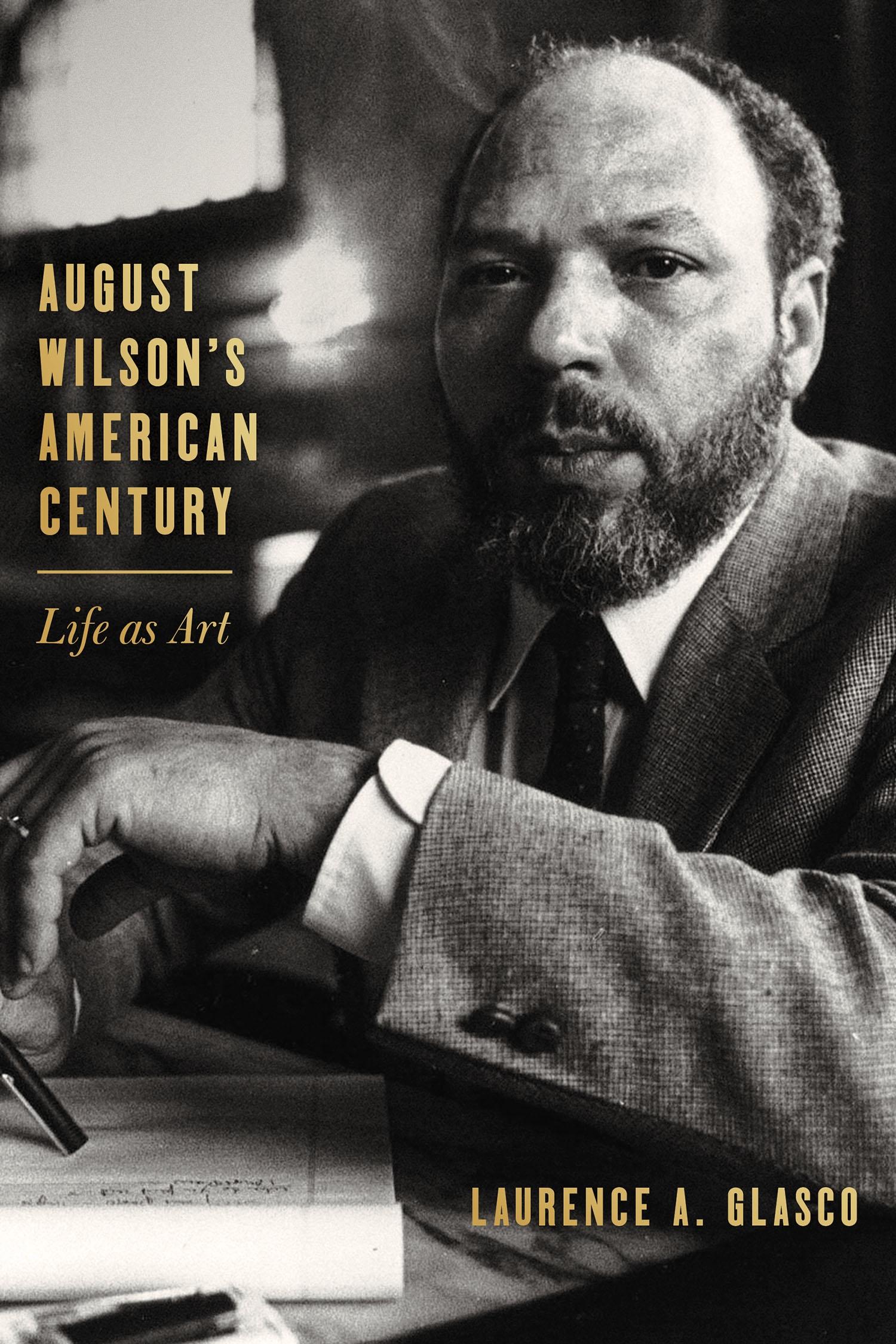
Playwright August Wilson is best known for his American Century Cycle, a sequence of ten plays—including the Pulitzer Prize–winning Fences and The Piano Lesson—that chronicle the lives of Black Americans in each decade of the twentieth century. But behind the celebrated plays stands a complex man shaped by his hometown’s vibrant Black culture. In August Wilson’s American Century: Life as Art, Laurence A. Glasco, one of the foremost historians of Black life in Pittsburgh, draws on Wilson’s early poetry, archival material, and original interviews with family members, neighbors, and friends to show how the city and its residents shaped the playwright and his work. Wilson’s overlapping identities as an outsider, warrior, race man, and poet helped him persevere in the face of setbacks, weave real-life observations with his poetry to craft memorable dialogue and compelling characters, and portray the realities of race in America in ways that have resonated with theatergoers and readers ever since. Glasco uncovers the story of how the people and places of Pittsburgh remained with Wilson after he left his hometown, shining through in a body of work that brought the struggles and triumphs of the Black experience to a wide audience and changed American theater for the better.
Playwright August Wilson is best known for his American Century Cycle, a sequence of ten plays—including the Pulitzer Prize–winning Fences and The Piano Lesson—that chronicle the lives of Black Americans in each decade of the twentieth century. But behind the celebrated plays stands a complex man shaped by his hometown’s vibrant Black culture. In August Wilson’s American Century: Life as Art, Laurence A. Glasco, one of the foremost historians of Black life in Pittsburgh, draws on Wilson’s early poetry, archival material, and original interviews with family members, neighbors, and friends to show how the city and its residents shaped the playwright and his work. Wilson’s overlapping identities as an outsider, warrior, race man, and poet helped him persevere in the face of setbacks, weave real-life observations with his poetry to craft memorable dialogue and compelling characters, and portray the realities of race in America in ways that have resonated with theatergoers and readers ever since. Glasco uncovers the story of how the people and places of Pittsburgh remained with Wilson after he left his hometown, shining through in a body of work that brought the struggles and triumphs of the Black experience to a wide audience and changed American theater for the better.
Pay easily by card, Klarna, Apple Pay or Google Pay. Not happy? You always have a 14-day money-back guarantee. Read more in our terms. If you have any questions, email us at hello@memmo.org.
Memmo makes studying easier – wherever you are in the world. We bring your course books and smart study tools together in one place: summaries, quizzes, podcasts and flashcards. Plus Ted, your study buddy who answers anything you wonder. Over 50,000 students already study here – built to help you learn faster and stress less.
You might also like
Buy the book0