
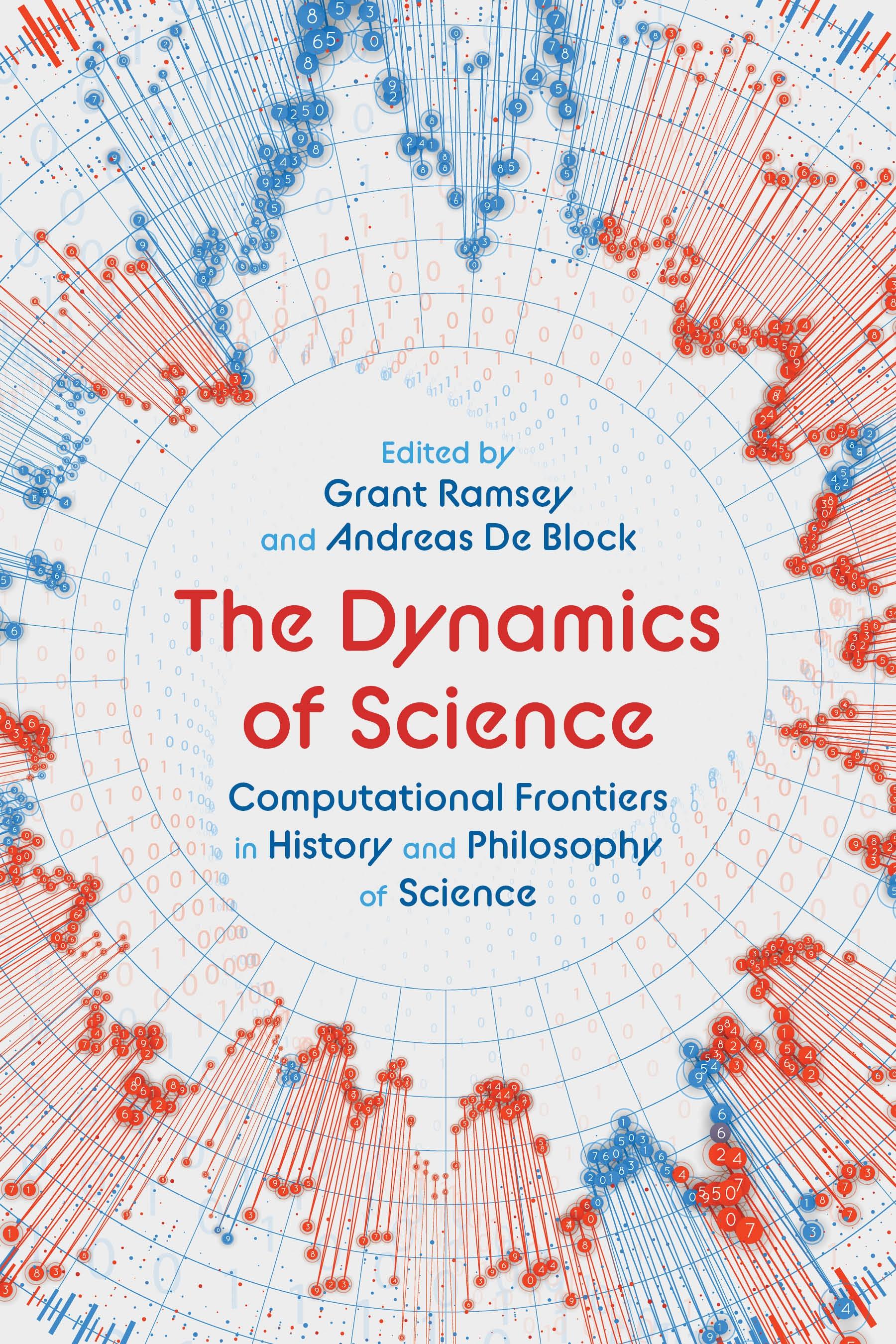
Millions of scientific articles are published each year, making it difficult to stay abreast of advances within even the smallest subdisciplines. Traditional approaches to the study of science, such as the history and philosophy of science, involve closely reading a relatively small set of journal articles. And yet many questions benefit from casting a wider net: Is most scientific change gradual or revolutionary? What are the key sources of scientific novelty? Over the past several decades, a massive effort to digitize the academic literature and equip computers with algorithms that can distantly read and analyze a digital database has taken us one step closer to answering these questions. The Dynamics of Science brings together a diverse array of contributors to examine the largely unexplored computational frontiers of history and philosophy of science. Together, they reveal how tools and data from automated textual analysis, or machine “reading,” combined with methods and models from game theory and cultural evolutionary theory, can begin to answer fundamental questions about the nature and history of science.
Category: Vetenskapsteori och forskningsmetod
e-ISBN: 9780822989097
Shipping weight: 1.2 kg
Ships in: 1-2 days
Pay easily by card, Klarna, Apple Pay or Google Pay. Not happy? You always have a 14-day money-back guarantee. Read more in our terms. If you have any questions, email us at hello@memmo.org.
Memmo makes studying easier – wherever you are in the world. We bring your course books and smart study tools together in one place: summaries, quizzes, podcasts and flashcards. Plus Ted, your study buddy who answers anything you wonder. Over 50,000 students already study here – built to help you learn faster and stress less.
You might also like
Buy the book0