
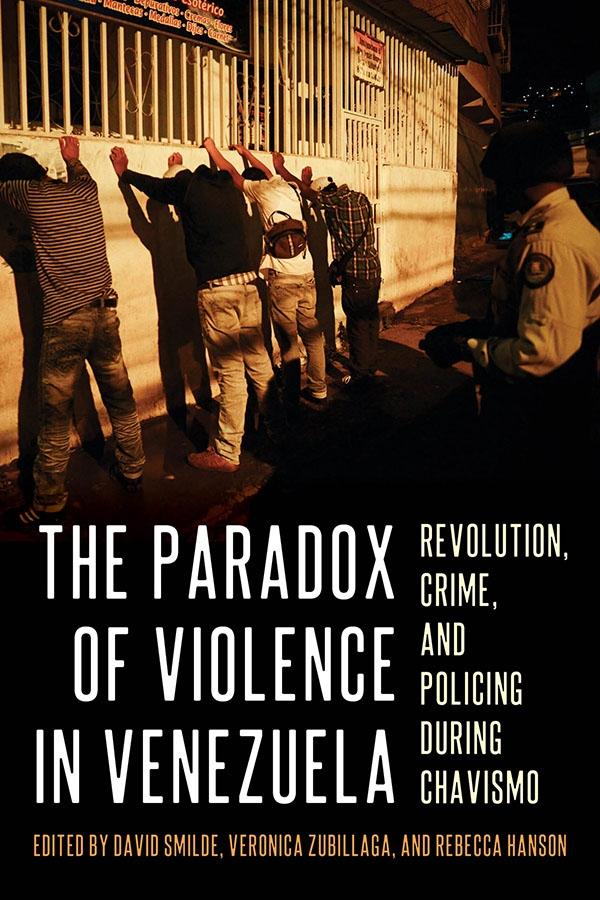
Crime and violence soared in twenty-first-century Venezuela even as poverty and inequality decreased, contradicting the conventional wisdom that these are the underlying causes of violence. The Paradox of Violence in Venezuela explains the rise of violence under both Hugo Chávez and Nicolás Maduro—leftist presidents who made considerable investment in social programs and political inclusion. Contributors argue that violence arose not from the frustration of inequality, or the needs created by poverty, but rather from the interrelated factors of a particular type of revolutionary governance, extraordinary oil revenues, a reliance on militarized policing, and the persistence of concentrated disadvantage. These factors led to dramatic but unequal economic growth, massive institutional and social change, and dysfunctional criminal justice policies that destabilized illicit markets and social networks, leading to an increase in violent conflict resolution. The Paradox of Violence in Venezuela reorients thinking about violence and its relationship to poverty, inequality, and the state.
Pay easily by card, Klarna, Apple Pay or Google Pay. Not happy? You always have a 14-day money-back guarantee. Read more in our terms. If you have any questions, email us at hello@memmo.org.
Memmo makes studying easier – wherever you are in the world. We bring your course books and smart study tools together in one place: summaries, quizzes, podcasts and flashcards. Plus Ted, your study buddy who answers anything you wonder. Over 50,000 students already study here – built to help you learn faster and stress less.
You might also like
Buy the book0