
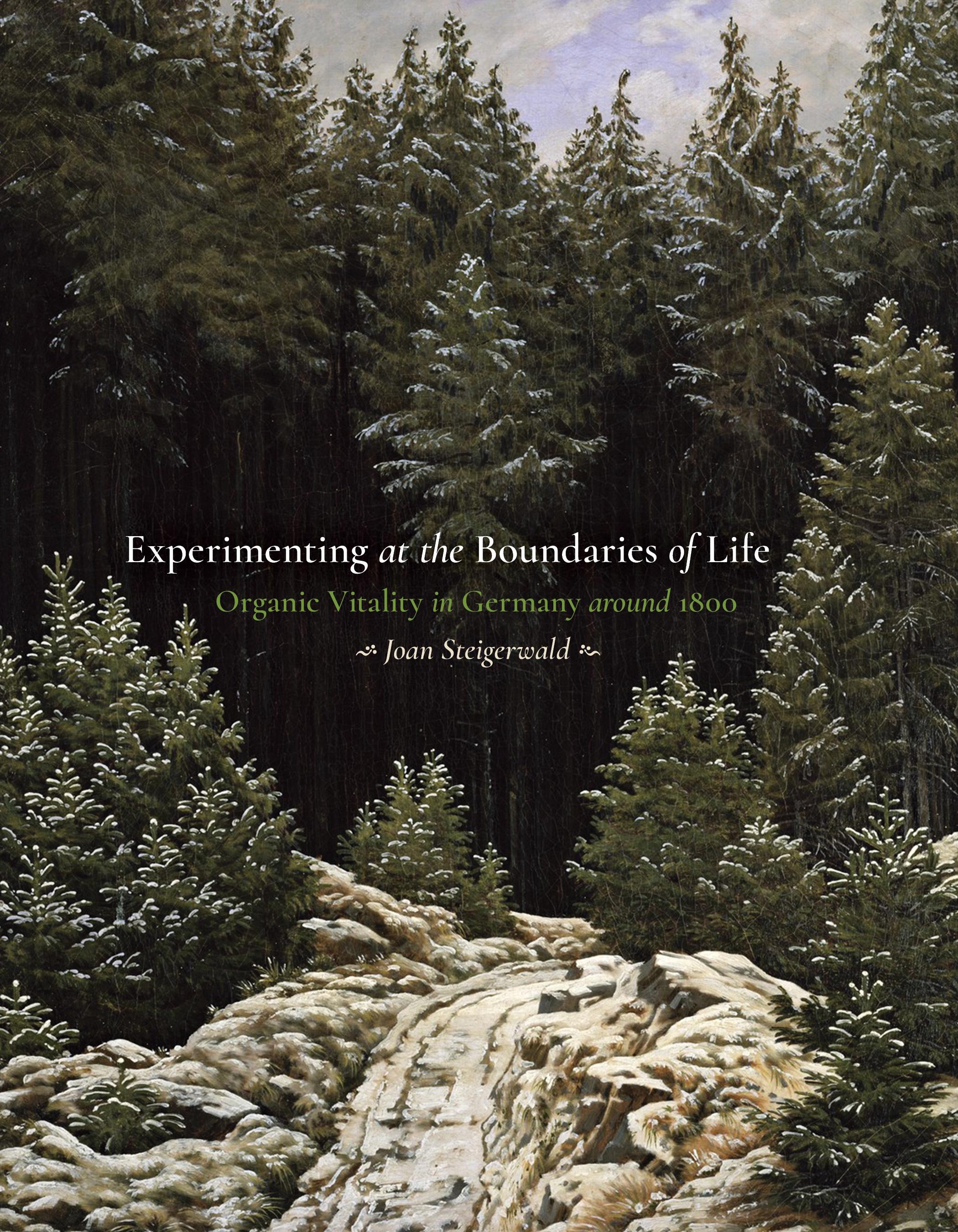
Attempts to distinguish a science of life at the turn of the nineteenth century faced a number of challenges. A central difficulty was clearly demarcating the living from the nonliving experimentally and conceptually. The more closely the boundaries between organic and inorganic phenomena were examined, the more they expanded and thwarted any clear delineation. Experimenting at the Boundaries of Life traces the debates surrounding the first articulations of a science of life in a variety of texts and practices centered on German contexts. Joan Steigerwald examines the experiments on the processes of organic vitality, such as excitability and generation, undertaken across the fields of natural history, physiology, physics and chemistry. She highlights the sophisticated reflections on the problem of experimenting on living beings by investigators, and relates these epistemic concerns directly to the philosophies of nature of Kant and Schelling. Her book skillfully ties these epistemic reflections to arguments by the Romantic writers Novalis and Goethe for the aesthetic aspects of inquiries into the living world and the figurative languages in which understandings of nature were expressed.
Category: Vetenskapsteori och forskningsmetod
e-ISBN: 9780822986621
Shipping weight: 1.2 kg
Ships in: 1-2 days
Pay easily by card, Klarna, Apple Pay or Google Pay. Not happy? You always have a 14-day money-back guarantee. Read more in our terms. If you have any questions, email us at hello@memmo.org.
Memmo makes studying easier – wherever you are in the world. We bring your course books and smart study tools together in one place: summaries, quizzes, podcasts and flashcards. Plus Ted, your study buddy who answers anything you wonder. Over 50,000 students already study here – built to help you learn faster and stress less.
You might also like
Buy the book0