
Photographs by Charlee Brodsky
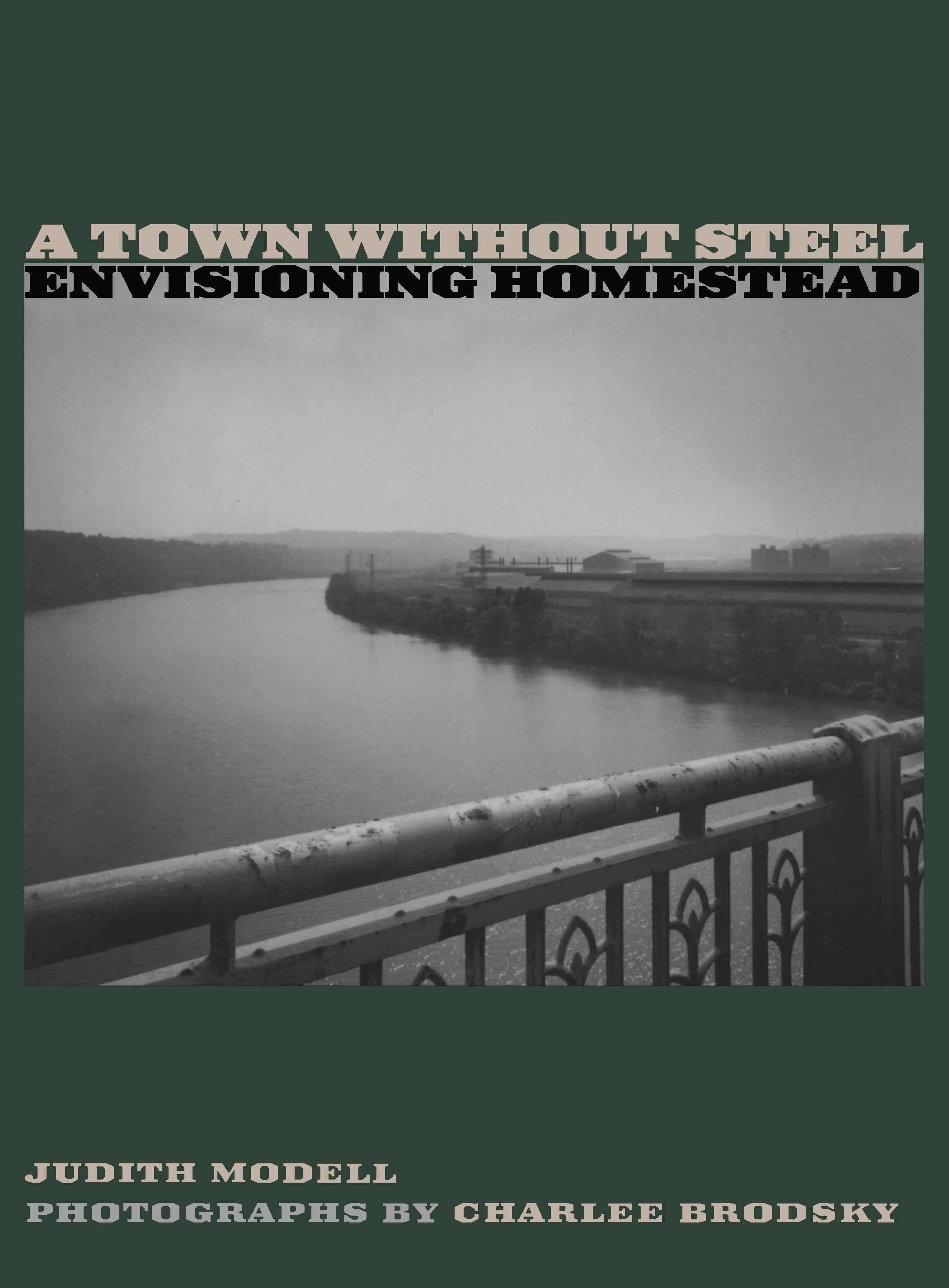
In 1986, with little warning, the USX Homestead Works closed. Thousands of workers who depended on steel to survive were left without work. A Town Without Steel looks at the people of Homestead as they reinvent their views of household and work and place in this world. The book details the modifications and revisions of domestic strategies in a public crisis. In some ways unique, and in some ways typical of American industrial towns, the plight of Homestead sheds light on social, cultural, and political developments of the late twentieth century. In this anthropological and photographic account of a town facing the crisis of deindustrialization, A Town Without Steel focuses on families. Reminiscent of Margaret Byington and Lewis Hine's approach in Homestead, Charlee Brodsky's photographs document the visual dimension of change in Homestead. The mill that dominated the landscape transformed to a vast, empty lot; a crowded commercial street turns into a ghost town; and an abundance of well-kept homes become an abandoned street of houses for sale. The individual narratives and family snapshots, Modell's interpretations, and Brodsky's photographs all evoke the tragedy and the resilience of a town whose primary source of self-identification no longer exists.
In 1986, with little warning, the USX Homestead Works closed. Thousands of workers who depended on steel to survive were left without work. A Town Without Steel looks at the people of Homestead as they reinvent their views of household and work and place in this world. The book details the modifications and revisions of domestic strategies in a public crisis. In some ways unique, and in some ways typical of American industrial towns, the plight of Homestead sheds light on social, cultural, and political developments of the late twentieth century. In this anthropological and photographic account of a town facing the crisis of deindustrialization, A Town Without Steel focuses on families. Reminiscent of Margaret Byington and Lewis Hine's approach in Homestead, Charlee Brodsky's photographs document the visual dimension of change in Homestead. The mill that dominated the landscape transformed to a vast, empty lot; a crowded commercial street turns into a ghost town; and an abundance of well-kept homes become an abandoned street of houses for sale. The individual narratives and family snapshots, Modell's interpretations, and Brodsky's photographs all evoke the tragedy and the resilience of a town whose primary source of self-identification no longer exists.
Pay easily by card, Klarna, Apple Pay or Google Pay. Not happy? You always have a 14-day money-back guarantee. Read more in our terms. If you have any questions, email us at hello@memmo.org.
Memmo makes studying easier – wherever you are in the world. We bring your course books and smart study tools together in one place: summaries, quizzes, podcasts and flashcards. Plus Ted, your study buddy who answers anything you wonder. Over 50,000 students already study here – built to help you learn faster and stress less.
You might also like
Buy the book0