
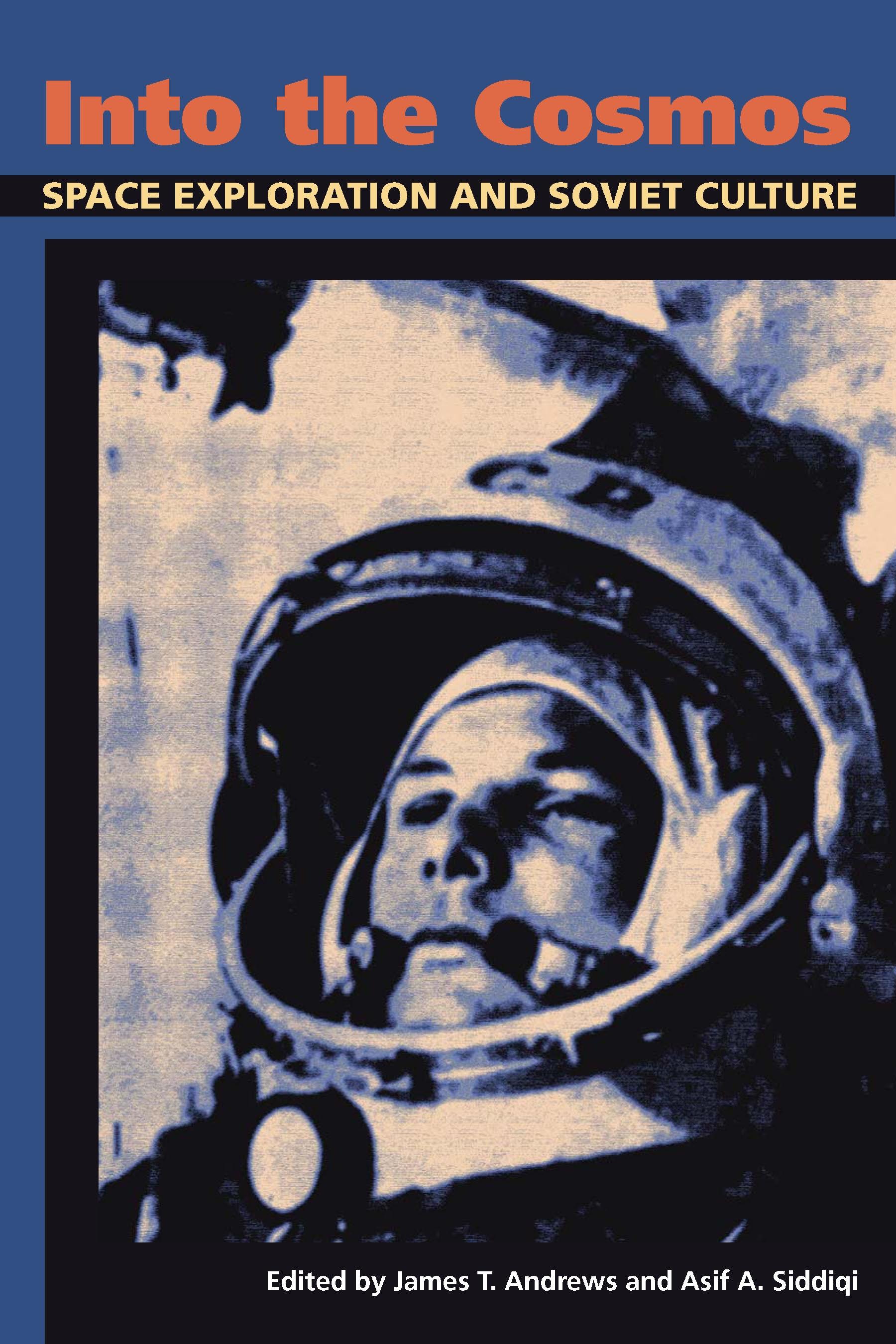
The launch of the Sputnik satellite in October 1957 changed the course of human history. In the span of a few years, Soviets sent the first animal into space, the first man, and the first woman. These events were a direct challenge to the United States and the capitalist model that claimed ownership of scientific aspiration and achievement. The success of the space program captured the hopes and dreams of nearly every Soviet citizen and became a critical cultural vehicle in the country's emergence from Stalinism and the devastation of World War II. It also proved to be an invaluable tool in a worldwide propaganda campaign for socialism, a political system that could now seemingly accomplish anything it set its mind to. Into the Cosmos shows us the fascinating interplay of Soviet politics, science, and culture during the Khrushchev era, and how the space program became a binding force between these elements. The chapters examine the ill-fitted use of cosmonauts as propaganda props, the manipulation of gender politics after Valentina Tereshkova's flight, and the use of public interest in cosmology as a tool for promoting atheism. Other chapters explore the dichotomy of promoting the space program while maintaining extreme secrecy over its operations, space animals as media darlings, the history of Russian space culture, and the popularity of space-themed memorabilia that celebrated Soviet achievement and planted the seeds of consumerism.
Pay easily by card, Klarna, Apple Pay or Google Pay. Not happy? You always have a 14-day money-back guarantee. Read more in our terms. If you have any questions, email us at hello@memmo.org.
Memmo makes studying easier – wherever you are in the world. We bring your course books and smart study tools together in one place: summaries, quizzes, podcasts and flashcards. Plus Ted, your study buddy who answers anything you wonder. Over 50,000 students already study here – built to help you learn faster and stress less.
You might also like
Buy the book0