
In 1937, the Great Depression was still lingering, but at baseball parks across the country there was a sense of optimism. Major League attendance was on a sharp rise. Tickets to an Indians game at League Park on Lexington and East 66th were $1.60 for box seats, $1.35 for reserve seats, and $.55 for the bleachers. Cleveland fans were particularly upbeat—Bob Feller, the teenage phenomenon, was a farm boy with a blistering fast ball. Night games were an exciting development. Better days were ahead.
But there were mounting issues facing the Indians. For one thing, it was rumored that the team had illegally signed Feller. Baseball Commissioner Judge Kenesaw Mountain Landis was looking into that matter and one other. Issues with an alcoholic catcher, dugout fights, bats thrown into stands, injuries, and a player revolt kept things lively.
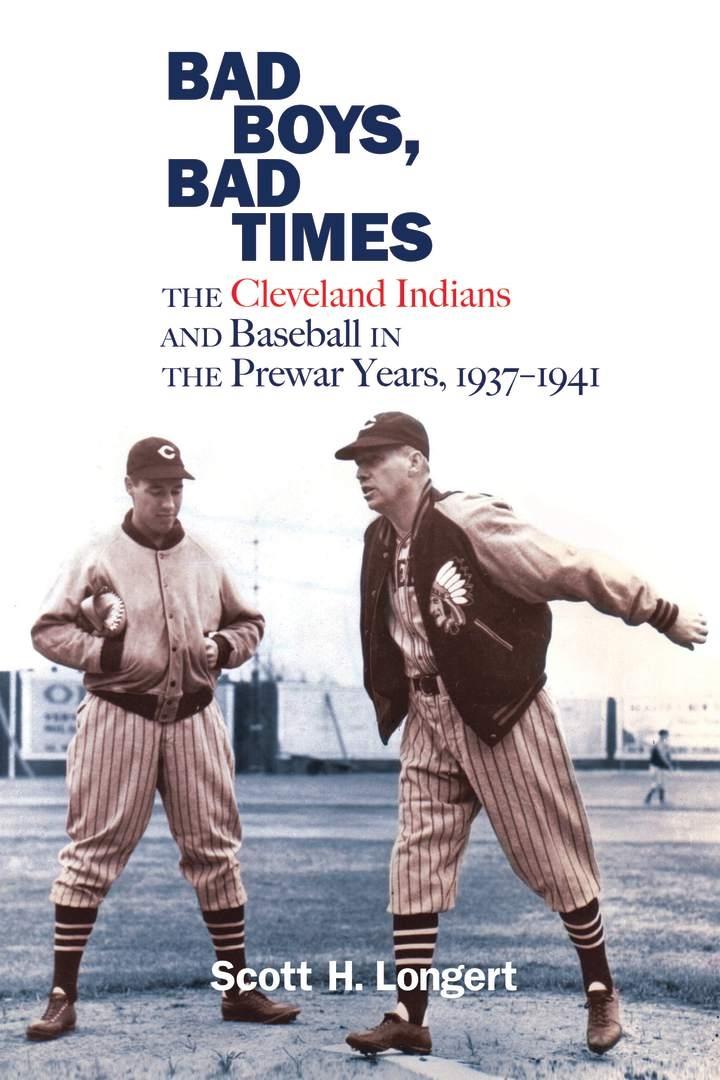
In Bad Boys, Bad Times: The Cleveland Indians and Baseball in the Prewar Years, 1937–1941—the follow-up to his No Money, No Beer, No Pennants: The Cleveland Indians and Baseball in the Great Depression—baseball historian Scott H. Longert writes about an exciting period for the team, with details and anecdotes that will please fans all over.
Pay easily by card, Klarna, Apple Pay or Google Pay. Not happy? You always have a 14-day money-back guarantee. Read more in our terms. If you have any questions, email us at hello@memmo.org.
Memmo makes studying easier – wherever you are in the world. We bring your course books and smart study tools together in one place: summaries, quizzes, podcasts and flashcards. Plus Ted, your study buddy who answers anything you wonder. Over 75,000 students already study here – built to help you learn faster and stress less.