
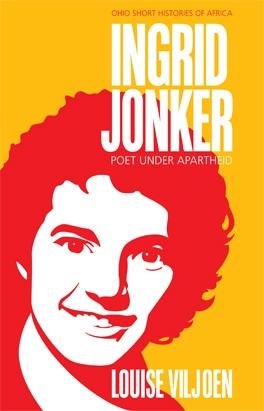
Nelson Mandela brought the poetry of Ingrid Jonker to the attention of South Africa and the wider world when he read her poem “Die kind” (The Child) at the opening of South Africa’s first democratic parliament on May 24, 1994. Though Jonker was already a significant figure in South African literary circles, Mandela’s reference contributed to a revival of interest in Jonker and her work that continues to this day.
Viljoen’s biography illuminates the brief and dramatic life of Jonker, who created a literary oeuvre—as searing in its intensity as it is brief—before taking her own life at the age of thirty-one. Jonker wrote against a background of escalating apartheid laws, violent repression of black political activists, and the banning of the African National Congress and the Pan Africanist Congress. Viljoen tells the story of Ingrid Jonker in the political and cultural context of her time, provides sensitive insights into her poetry, and considers the reasons for the enduring fascination with her life and death.
Her writings, her association with bohemian literary circles, and her identification with the oppressed brought her into conflict with her father, a politician in the white ruling party, and with other authority figures from her Afrikaner background. Her life and work demonstrate the difficulty and importance of artistic endeavor in a place of terrible conflict.
Pay easily by card, Klarna, Apple Pay or Google Pay. Not happy? You always have a 14-day money-back guarantee. Read more in our terms. If you have any questions, email us at hello@memmo.org.
Memmo makes studying easier – wherever you are in the world. We bring your course books and smart study tools together in one place: summaries, quizzes, podcasts and flashcards. Plus Ted, your study buddy who answers anything you wonder. Over 50,000 students already study here – built to help you learn faster and stress less.