
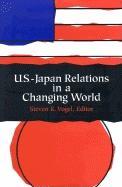
September 2001 marked the fiftieth anniversary of the signing of the San Francisco Treaty, formally ending the Second World War. In signing this treaty, Japan fundamentally transformed its position on the world stage. It established itself in the vanguard of the burgeoning cold war bulwark against the Soviet Union and its communist satellites, and wed itself to the United States through economic, political, and security ties that persist today. The half century since the establishment of the San Francisco system has seen highs and lows in the relations between the two countries, continuing even into the current war on terrorism. This new book evaluates the changing relationship between the two great powers, providing in-depth analysis on a variety of topics. It scrutinizes the historical context, providing the reader with predictive tools for understanding events as they unfold. Instead of looking at the U.S.-Japan relationship one issue at a time, this book examines specific trends and then analyzes how these trends affect the relationship as a whole. This innovative approach allows the reader to view several perspectives simultaneously, and it compels the contributors to assemble clear causal arguments that detail what each factor can and cannot explain. The result is a cogent and convincing appraisal of the status and future of U.S.-Japan relations after fifty years of peaceful coexistence.
Pages: 286
Category: Statsvetenskap & Politik
e-ISBN: 9780815798347
Shipping weight: 1.2 kg
Ships in: 1-2 days
Pay easily by card, Klarna, Apple Pay or Google Pay. Not happy? You always have a 14-day money-back guarantee. Read more in our terms. If you have any questions, email us at hello@memmo.org.
Memmo makes studying easier – wherever you are in the world. We bring your course books and smart study tools together in one place: summaries, quizzes, podcasts and flashcards. Plus Ted, your study buddy who answers anything you wonder. Over 50,000 students already study here – built to help you learn faster and stress less.