
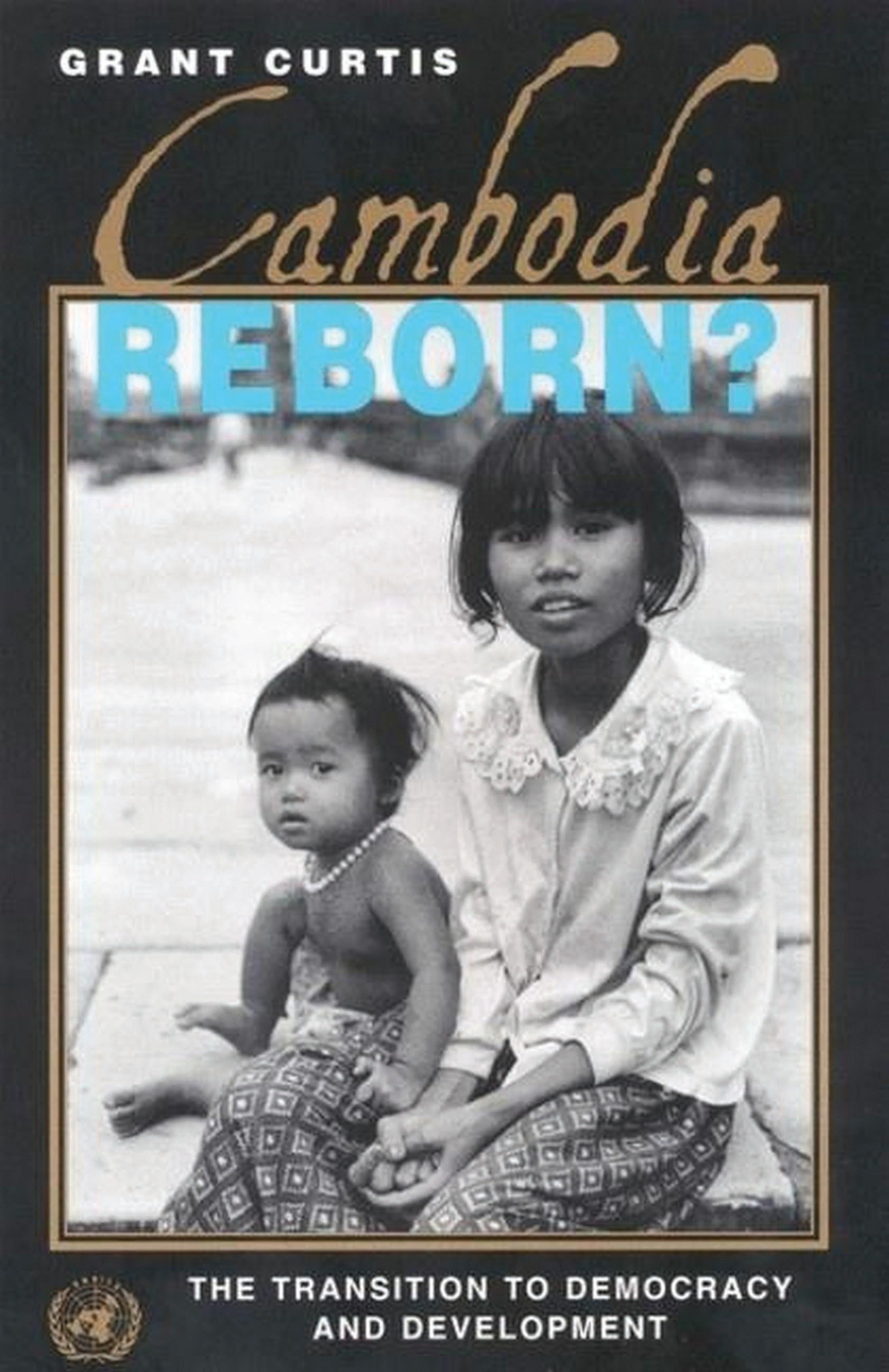
When United Nations sponsored elections were held in 1993, there were high hopes that Cambodia would finally be able to escape the nightmare of war, the killing fields, famine, and economic turmoil that its people had endured since 1970. Large amounts of international development assistance, a rapidly expanding NGO sector, and a pragmatic power-sharing arrangement between former adversaries, seemed to bode well for the future. Yet, as the country was once again preparing for elections in 1998, serious tensions and conflicts continued to undermine the transition process.
This book examines Cambodia's uneasy renaissance from years of conflict, isolation and authoritarian rule. It assesses, in particular, the efforts of the government, NGOs, and the international community to facilitate Cambodia's various transitions to peace, democracy, and a market economy, as well as the strengthening of civil society.
Copublished with the United Nations Research Institute for Social Development
This book examines Cambodia's uneasy renaissance from years of conflict, isolation and authoritarian rule. It assesses, in particular, the efforts of the government, NGOs, and the international community to facilitate Cambodia's various transitions to peace, democracy, and a market economy, as well as the strengthening of civil society.
Copublished with the United Nations Research Institute for Social Development
Pages: 200
Category: Statsvetenskap & Politik
e-ISBN: 9780815791379
Shipping weight: 1.2 kg
Ships in: 1-2 days
Pay easily by card, Klarna, Apple Pay or Google Pay. Not happy? You always have a 14-day money-back guarantee. Read more in our terms. If you have any questions, email us at hello@memmo.org.
Memmo makes studying easier – wherever you are in the world. We bring your course books and smart study tools together in one place: summaries, quizzes, podcasts and flashcards. Plus Ted, your study buddy who answers anything you wonder. Over 50,000 students already study here – built to help you learn faster and stress less.