
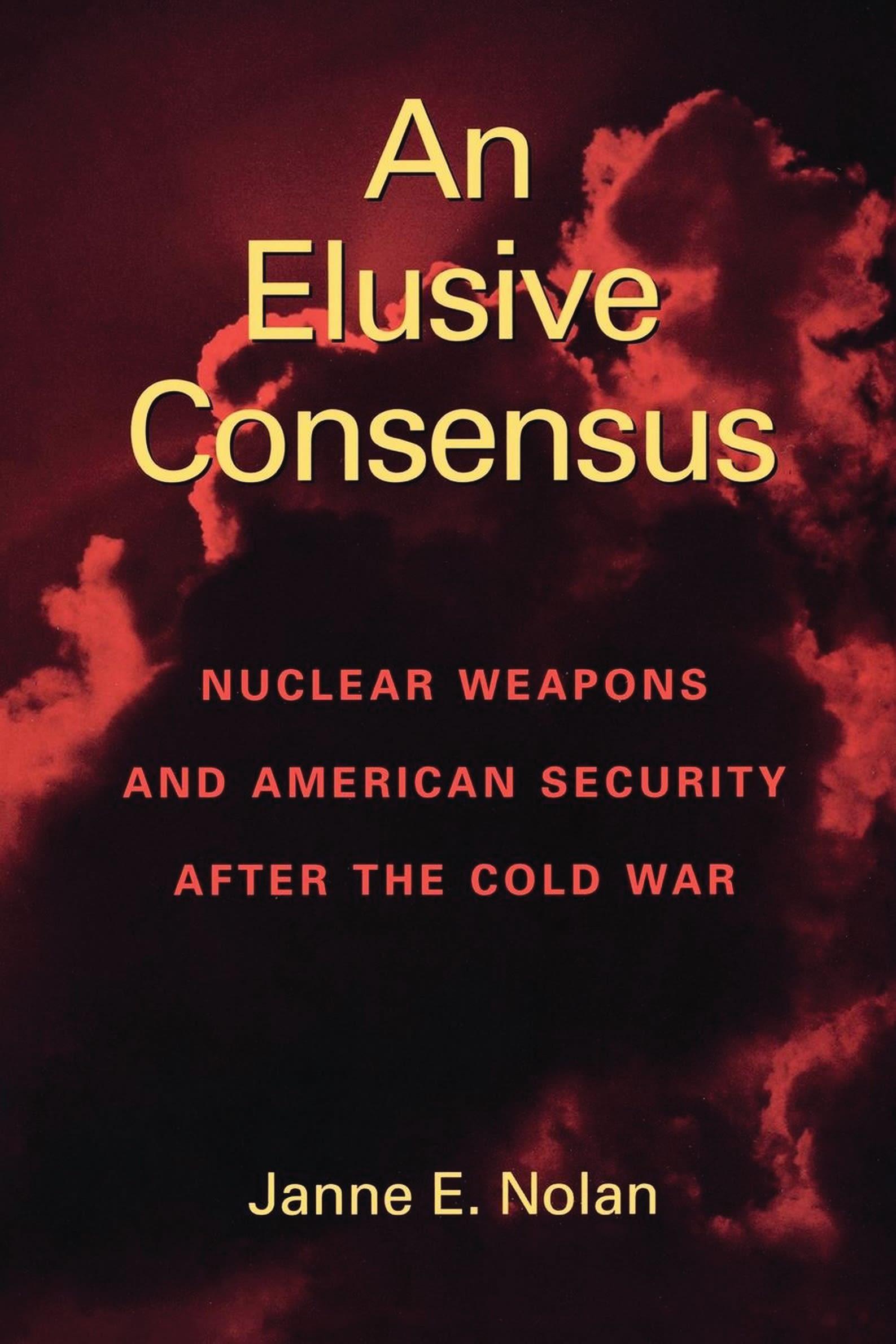
The United States continues to maintain a large nuclear arsenal guided by a deterrence strategy little changed since the collapse of the Warsaw Pact. Notwithstanding changes in the size and composition of nuclear forces brought about since 1991, the fundamental rationales and planning principles which informed U.S. nuclear policy for decades remain in place--despite the disappearance of a superpower nuclear enemy. In this work, Janne E. Nolan traces the effort to articulate a post-cold war nuclear doctrine through decisions taken in the Bush and Clinton administrations, focusing on the leadership styles of presidents, bureaucratic politics, and broader foreign policy objectives. Based on in-depth interviews with policy participants, this study illuminates in detail the dynamics by which the U.S. government has tried to reflect the dramatically altered international arena in its nuclear policies. In two major policy developments--the 1994 Nuclear Posture Review and the decision to sign the African Nuclear Weapons Free Zone Treaty--U.S. policy makers sought to define the utility of nuclear weapons after the cold war and to gain broad-based consensus. For many reasons, these efforts were largely unsuccessful in developing coherent policies, with the absence of sustained presidential leadership proving most decisive.
Pages: 139
Category: Statsvetenskap & Politik
e-ISBN: 9780815791195
Shipping weight: 1.2 kg
Ships in: 1-2 days
Pay easily by card, Klarna, Apple Pay or Google Pay. Not happy? You always have a 14-day money-back guarantee. Read more in our terms. If you have any questions, email us at hello@memmo.org.
Memmo makes studying easier – wherever you are in the world. We bring your course books and smart study tools together in one place: summaries, quizzes, podcasts and flashcards. Plus Ted, your study buddy who answers anything you wonder. Over 50,000 students already study here – built to help you learn faster and stress less.