
Recent reports predict that, barring any changes, the Social Security program will become insolvent--no longer able to pay promised benefits in full--around the year 2030, well within the retirement years of the baby boom generation. They also predict that the trust fund will stop being a net contributor and become instead a net claimant on the federal budget in the year 2013--much earlier than previously thought. With the world population aging, the increasing number of dependent senior citizens in all countries will become a major public policy issue that will have to be addressed continually over the next fifty years.
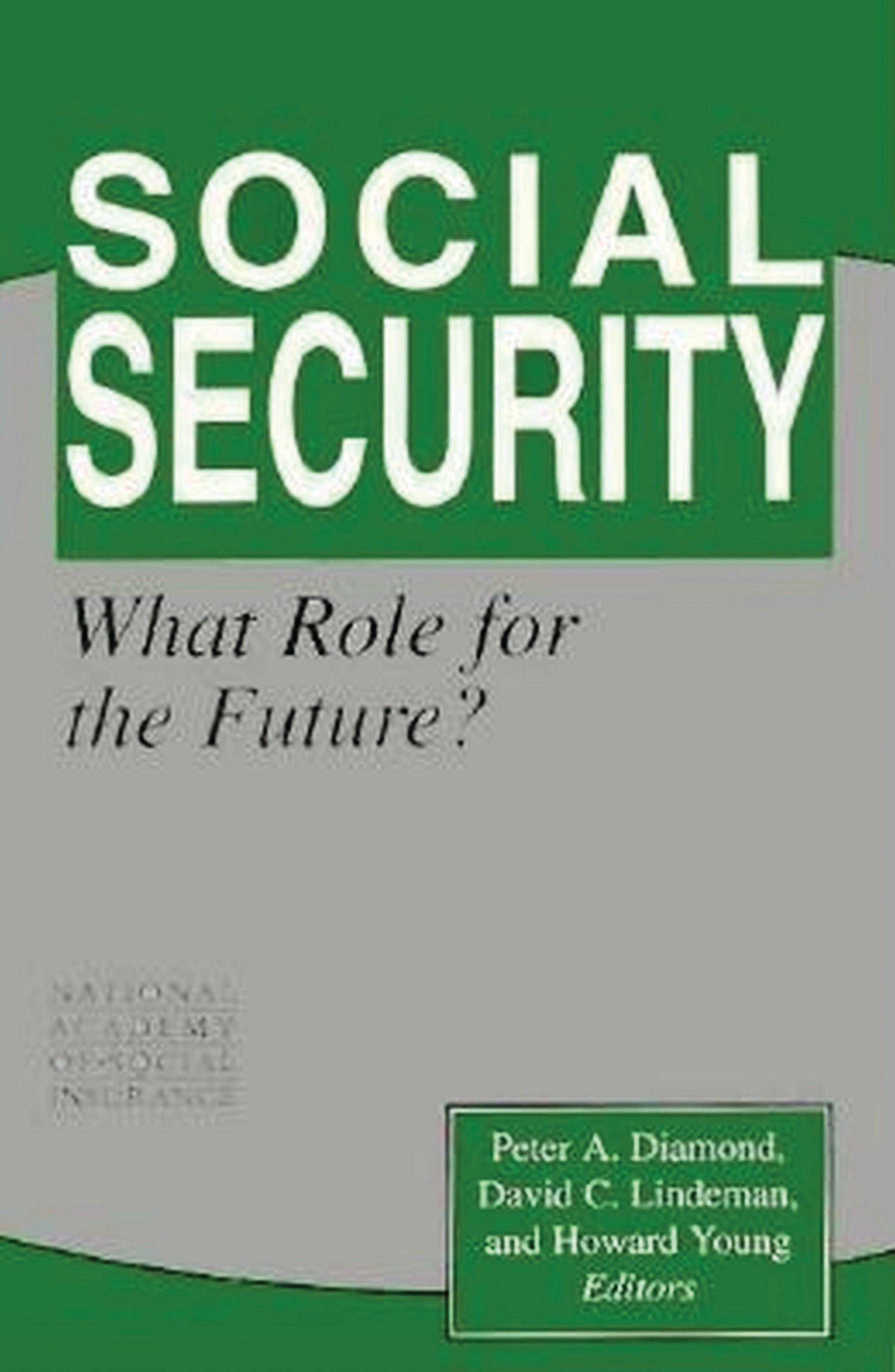
Social Security: What Role for the Future? takes a fresh look at the questions essential to understanding the future of old-age protection under Social Security. Experts in economics, actuarial science, and public policy examine such front-burner issues as the effects that variables such as mortality, births, inflation, wage levels, and pension benefits will have on the income of future retirees; the implications and effects of alternative levels of funding and financing on Social Security; and the prospects for publicly and privately financed income programs. The authors conclude with an examination of social security programs around the world and pose critical questions about the future direction of Social Security in the United States--questions that Congress and the American public will have to address in the coming years.
The contributors include Robert H. Binstock, Barry P. Bosworth, Robert Brown, Gary Burtless, David M. Cutler, Jagadeesh Gokhale, Edward Gramlich, Stephen Goss, Robert Hagemann, Dalmer Hoskins, Estelle James, Diane Macunovich, David Mullins, Alicia H. Munnell, Robert J. Myers, Martha Phillips, Sylvester Schieber, Margaret Simms, C. Eugene Steuerle, and Carolyn Weaver.
Copublished with the National Academy of Social Insurance
Social Security: What Role for the Future? takes a fresh look at the questions essential to understanding the future of old-age protection under Social Security. Experts in economics, actuarial science, and public policy examine such front-burner issues as the effects that variables such as mortality, births, inflation, wage levels, and pension benefits will have on the income of future retirees; the implications and effects of alternative levels of funding and financing on Social Security; and the prospects for publicly and privately financed income programs. The authors conclude with an examination of social security programs around the world and pose critical questions about the future direction of Social Security in the United States--questions that Congress and the American public will have to address in the coming years.
The contributors include Robert H. Binstock, Barry P. Bosworth, Robert Brown, Gary Burtless, David M. Cutler, Jagadeesh Gokhale, Edward Gramlich, Stephen Goss, Robert Hagemann, Dalmer Hoskins, Estelle James, Diane Macunovich, David Mullins, Alicia H. Munnell, Robert J. Myers, Martha Phillips, Sylvester Schieber, Margaret Simms, C. Eugene Steuerle, and Carolyn Weaver.
Copublished with the National Academy of Social Insurance
Pay easily by card, Klarna, Apple Pay or Google Pay. Not happy? You always have a 14-day money-back guarantee. Read more in our terms. If you have any questions, email us at hello@memmo.org.
Memmo makes studying easier – wherever you are in the world. We bring your course books and smart study tools together in one place: summaries, quizzes, podcasts and flashcards. Plus Ted, your study buddy who answers anything you wonder. Over 50,000 students already study here – built to help you learn faster and stress less.