
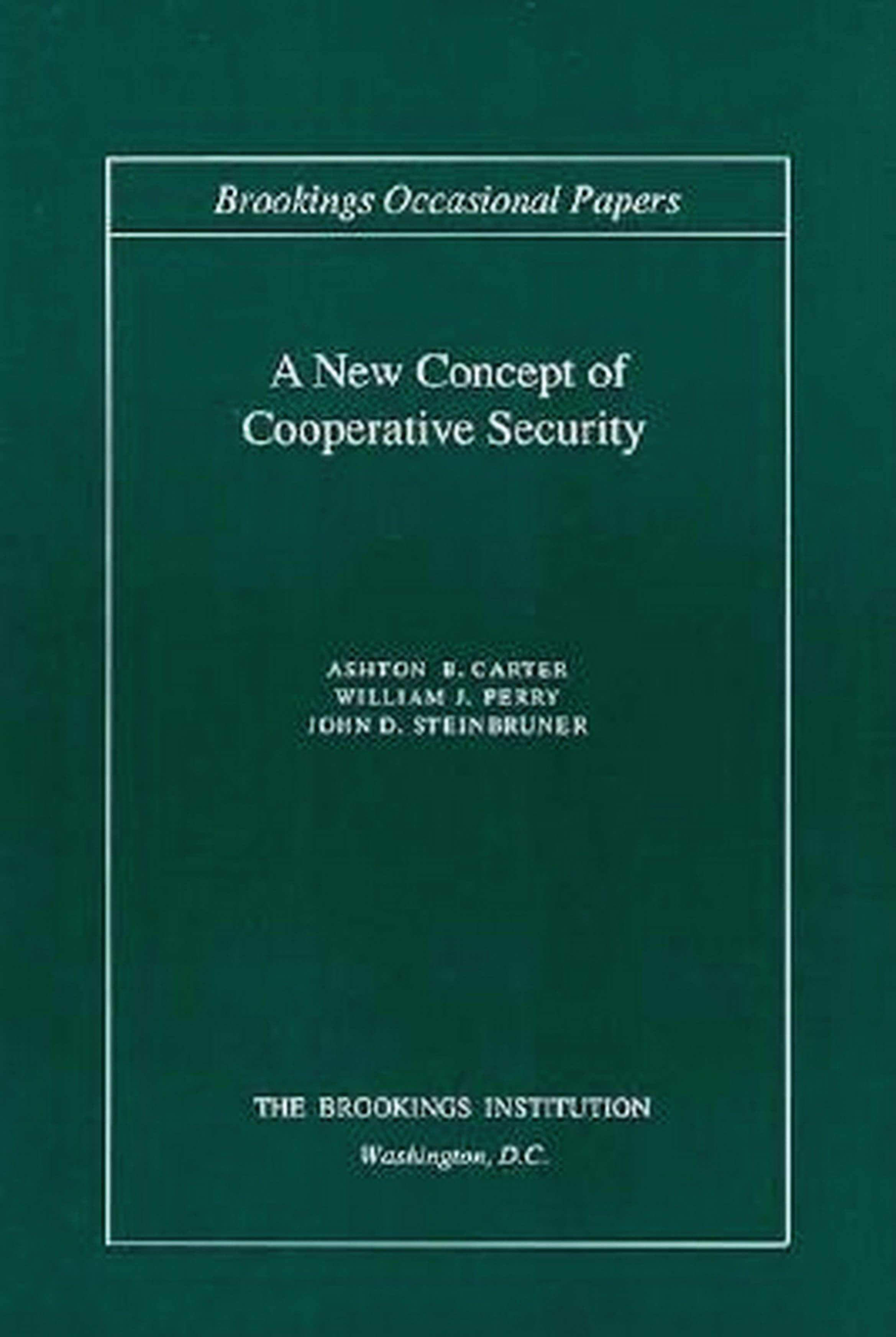
At the moment, the revision of security policy and the formation of a new consensus to support it are still at an early stage of development. The idea of comprehensive security cooperation among the major military establishments to form an inclusive international security arrangement has been only barely acknowledged and is only partially developed. The basic principle of cooperation has been proclaimed in general terms in the Paris Charter issued in November of 1990. Important implementing provisions have been embodied in the Strategic Arms Reductions Talks (START), Conventional Forces in Europe (CFE), and Intermediate-Range Nuclear Forces (INF) treaties. Except for the regulation of U.S. and Commonwealth of Independent States (CIS) strategic forces, however, these arrangements apply only to the European theater and even there have not been systematically developed. The formation of a new security order requires that cooperative theaters of military engagement be systematically developed. Clearly that exercise will stretch the minds of all those whose thinking about security has been premised on confrontational methods.
Nonetheless, such a stretching is unavoidable. The new security problems are driven by powerful forces, reshaping the entire international context. They impose starkly different requirements. They will deflect even the impressive momentum of U.S. military traditions. The eventual outcome is uncertain. It turns upon political debates yet to be held, consensus judgements yet to form, and events and their implications yet to unfold. Fundamental reconceptualization of security policy is a necessary step in the right direction, and it is important to get on with it. Getting on with it means defining the new concept of cooperative security, identifying the trends that motivate it, outlining its implications for practical policy action, and acknowledging its constraints. These tasks are the purpose of this essay.
Nonetheless, such a stretching is unavoidable. The new security problems are driven by powerful forces, reshaping the entire international context. They impose starkly different requirements. They will deflect even the impressive momentum of U.S. military traditions. The eventual outcome is uncertain. It turns upon political debates yet to be held, consensus judgements yet to form, and events and their implications yet to unfold. Fundamental reconceptualization of security policy is a necessary step in the right direction, and it is important to get on with it. Getting on with it means defining the new concept of cooperative security, identifying the trends that motivate it, outlining its implications for practical policy action, and acknowledging its constraints. These tasks are the purpose of this essay.
Pages: 65
Category: Statsvetenskap & Politik
e-ISBN: 9780815719069
Shipping weight: 1.2 kg
Ships in: 1-2 days
Pay easily by card, Klarna, Apple Pay or Google Pay. Not happy? You always have a 14-day money-back guarantee. Read more in our terms. If you have any questions, email us at hello@memmo.org.
Memmo makes studying easier – wherever you are in the world. We bring your course books and smart study tools together in one place: summaries, quizzes, podcasts and flashcards. Plus Ted, your study buddy who answers anything you wonder. Over 50,000 students already study here – built to help you learn faster and stress less.