
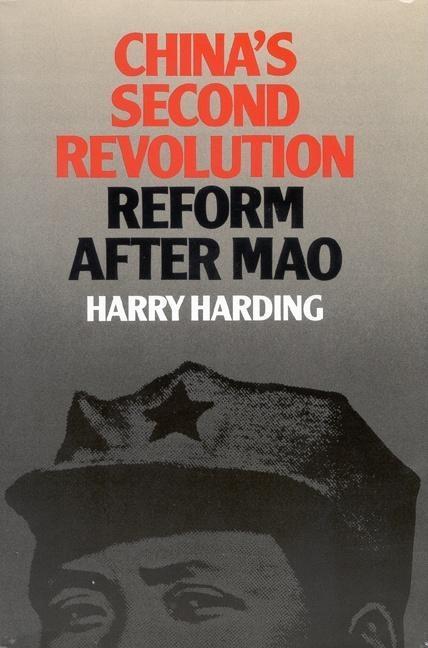
China has, since 1976, been enmeshed in an extraordinary program of renewal and reform. The obvious changesthe T-shirts, blue jeans, makeup and jewelry worn by Chinese youth; the disco music blaring from radios and loudspeakers on Chinese streets; the television antennas mushrooming from both urban apartment complexes and suburban peasant housing; the bustling free markets selling meat, vegetables and clothing in China's major citiesreflect a fundamental shift in the government's policy toward the economy and political life.
Although doubts about the long-term commitment to reform arose after the student protests in December 1986 and the dismissal of Party General Secretary Hu Yaobang in January 1987, the scope of reform has been so broad and the pace of change so rapid, that the post-Mao era fully warrants Den Xiaoping's description of it as the ""second revolution"" undertaken by the Chinese Communist Party.
Although doubts about the long-term commitment to reform arose after the student protests in December 1986 and the dismissal of Party General Secretary Hu Yaobang in January 1987, the scope of reform has been so broad and the pace of change so rapid, that the post-Mao era fully warrants Den Xiaoping's description of it as the ""second revolution"" undertaken by the Chinese Communist Party.
Pages: 369
Category: Statsvetenskap & Politik
e-ISBN: 9780815707288
Shipping weight: 1.2 kg
Ships in: 1-2 days
Pay easily by card, Klarna, Apple Pay or Google Pay. Not happy? You always have a 14-day money-back guarantee. Read more in our terms. If you have any questions, email us at hello@memmo.org.
Memmo makes studying easier – wherever you are in the world. We bring your course books and smart study tools together in one place: summaries, quizzes, podcasts and flashcards. Plus Ted, your study buddy who answers anything you wonder. Over 50,000 students already study here – built to help you learn faster and stress less.