
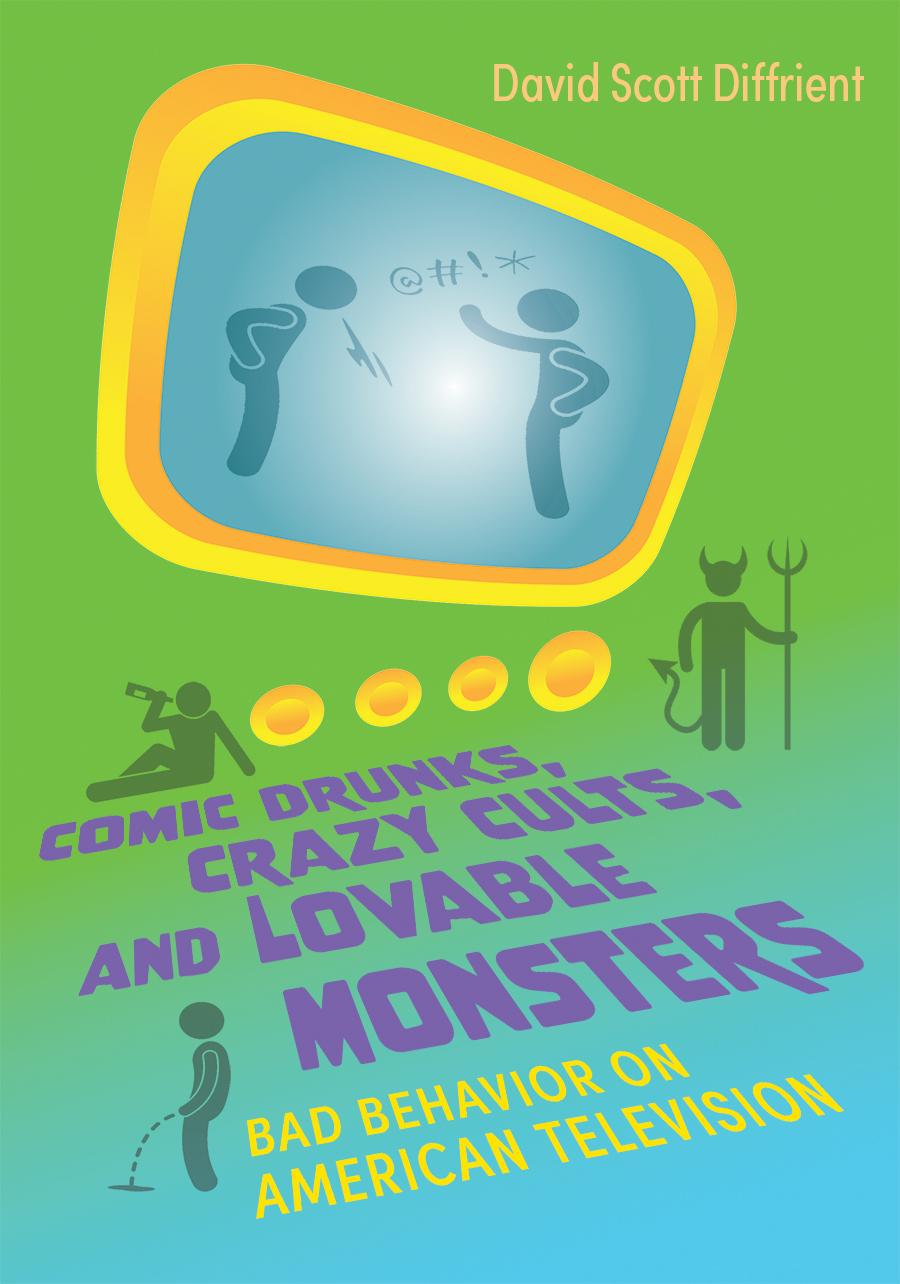
Contradictory to its core, the sitcom—an ostensibly conservative, tranquilizing genre—has a long track record in the United States of tackling controversial subjects with a fearlessness not often found in other types of programming. But the sitcom also conceals as much as it reveals, masking the rationale for socially deviant or deleterious behavior behind figures of ridicule whose motives are rarely disclosed fully over the course of a thirty-minute episode. Examining a broad range of network and cable TV shows across the history of the medium, from classic, working-class comedies such as The Honeymooners, All in the Family, and Roseanne to several contemporary cult series, animated programs, and online hits that have yet to attract much scholarly attention, this book explores the ways in which social imaginaries related to "bad behavior" have been humorously exploited over the years. The repeated appearance of socially wayward figures on the small screen—from raging alcoholics to brainwashed cult members to actual monsters who are merely exaggerated versions of our own inner demons—has the dual effect of reducing complex individuals to recognizable "types" while neutralizing the presumed threats that they pose. Such representations not only provide strangely comforting reminders that "badness" is a cultural construct, but also prompt audiences to reflect on their own unspoken proclivities for antisocial behavior, if only in passing.
Pay easily by card, Klarna, Apple Pay or Google Pay. Not happy? You always have a 14-day money-back guarantee. Read more in our terms. If you have any questions, email us at hello@memmo.org.
Memmo makes studying easier – wherever you are in the world. We bring your course books and smart study tools together in one place: summaries, quizzes, podcasts and flashcards. Plus Ted, your study buddy who answers anything you wonder. Over 50,000 students already study here – built to help you learn faster and stress less.
You might also like
Buy the book0