
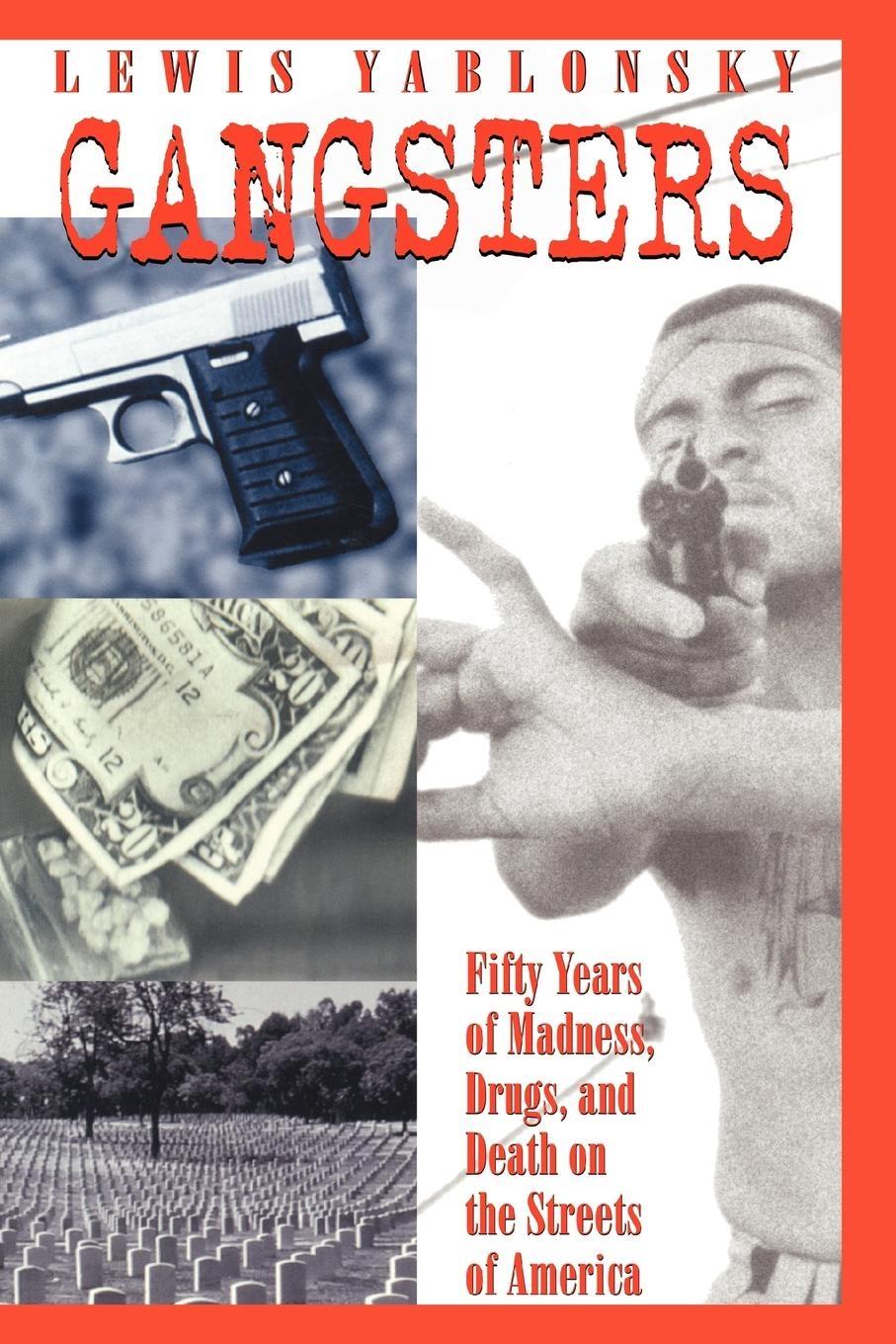
Why young people participate in violent gang behavior
The effects of gang violence are witnessed every day on the streets, in the news, and on the movie screen. In all these forums, gangs of young adults are associated with drugs and violence. Yet what is it that prompts young people to participate in violent behavior? And what can be done to extract adolescents from the gangster world of crime, death, and incarceration once they have become involved?
In Gangsters: 50 Years of Madness, Drugs, and Death on the Streets of America, Lewis Yablonsky provides answers to the most baffling and crucial questions regarding gangs. Using information gathered from over forty years of experience working with gang members and based on hundreds of personal interviews, many conducted in prisons and in gang neighborhoods, Yablonsky explores the pathology of the gangsters' apparent addiction to incarceration and death.
Gangsters is divided into four parts, including a brief history of gangs, the characteristics of gangs, successful approaches for treating gangsters in prison and the community, and concluding with a review and analysis of notable behavioral and social scientific theories of gangs. While condemning their violent behavior in no uncertain terms, Yablonsky offers hope through his belief that, given a chance in an effective treatment program, youths trapped in violent behavior can change their lives in positive ways and, in turn, facilitate positive change in their communities and society at large.
Pay easily by card, Klarna, Apple Pay or Google Pay. Not happy? You always have a 14-day money-back guarantee. Read more in our terms. If you have any questions, email us at hello@memmo.org.
Memmo makes studying easier – wherever you are in the world. We bring your course books and smart study tools together in one place: summaries, quizzes, podcasts and flashcards. Plus Ted, your study buddy who answers anything you wonder. Over 50,000 students already study here – built to help you learn faster and stress less.