
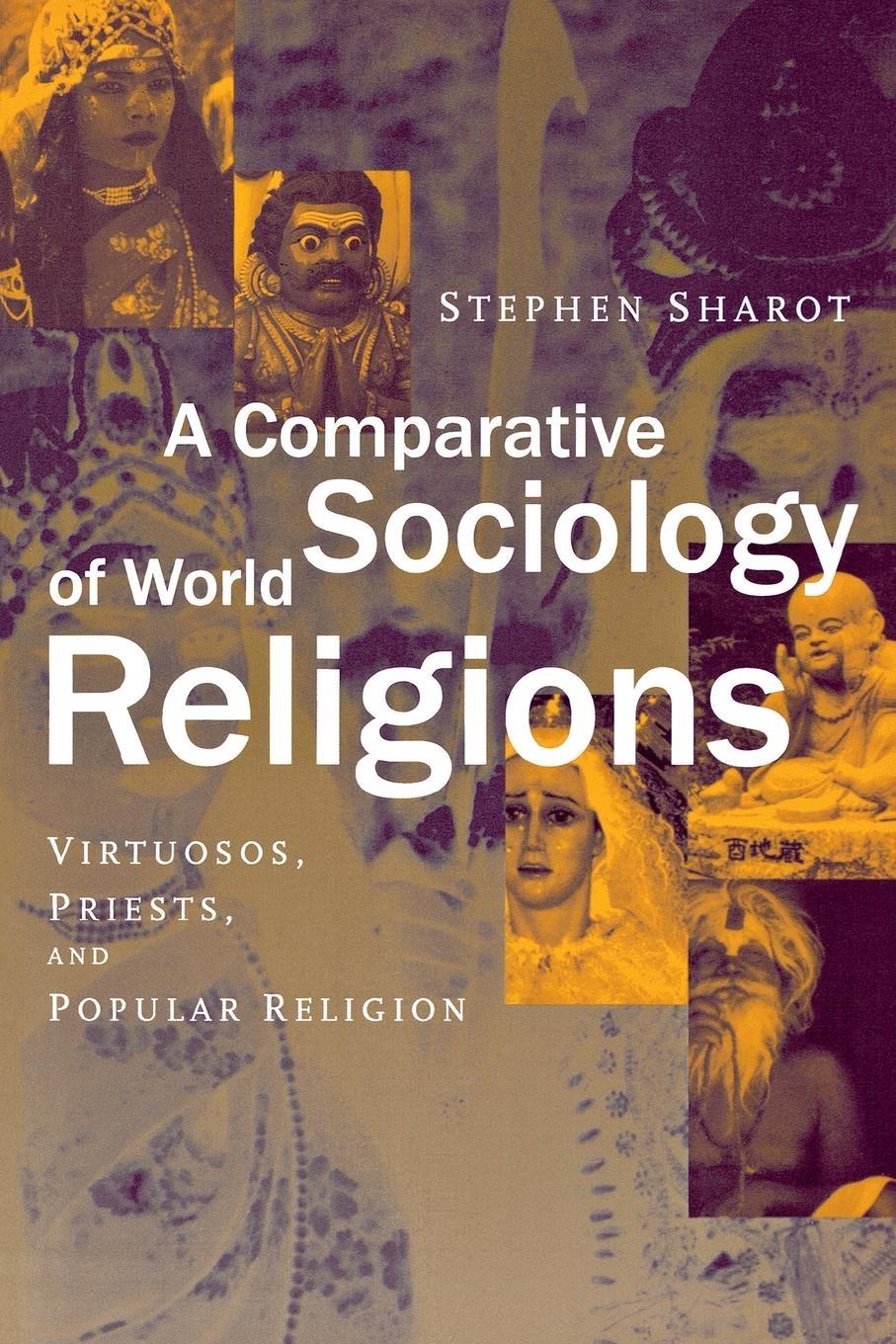
A Sociology of World Religions presents a comparative analysis of the world's religions, focusing on the differences and interrelationships between religious elites and lay masses. In each case the volume contextualizes how the relationships between these two religious forms fit within, and are influenced by, the wider socio-political environment.
After introducing the book's major themes, the volume introduces and builds upon an analysis of Weber's model of religious action, drawing on Durkheim, Marxist scholars, and the work of contemporary sociologists and anthropolgists. The following chapters each focus on major religious cultures, including Hinduism, Buddhism, Catholicism, Protestantism, Islam, Judaism, and the religions of China and Japan. This ambitious project is the first to offer a comparison of the popular, or folk, forms of religion around the world.
Sharot's accessible introductions to each of the world religions, synthesizing a vast literature on popular religion from sociology, anthropology, and historians of religion, make the project ideal for course use. His comparative approach and original analyses will prove rewarding even for experts on each of the world religions.
Pay easily by card, Klarna, Apple Pay or Google Pay. Not happy? You always have a 14-day money-back guarantee. Read more in our terms. If you have any questions, email us at hello@memmo.org.
Memmo makes studying easier – wherever you are in the world. We bring your course books and smart study tools together in one place: summaries, quizzes, podcasts and flashcards. Plus Ted, your study buddy who answers anything you wonder. Over 50,000 students already study here – built to help you learn faster and stress less.