
Juveniles possess less maturity, intelligence, and
competence than adults, heightening their vulnerability in the justice system.
For this reason, states try juveniles in separate courts and use different
sentencing standards than for adults. Yet, when police bring kids in for
questioning, they use the same interrogation tactics they use for adults,
including trickery, deception, and lying to elicit confessions or to produce
incriminating evidence against the defendants.
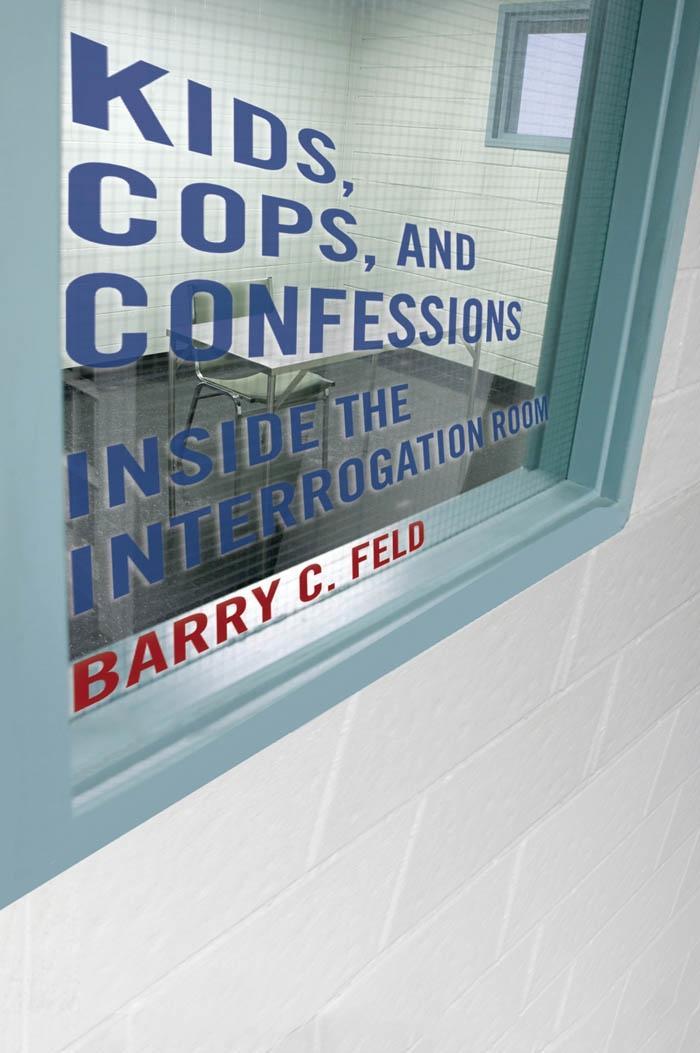
In Kids, Cops, and Confessions, Barry Feld offers the
first report of what actually happens when police question juveniles. Drawing
on remarkable data, Feld analyzes interrogation tapes and transcripts, police
reports, juvenile court filings and sentences, and probation and sentencing
reports, describing in rich detail what actually happens in the interrogation
room. Contrasting routine interrogation and false confessions enables police,
lawyers, and judges to identify interrogations that require enhanced scrutiny,
to adopt policies to protect citizens, and to assure reliability and integrity
of the justice system. Feld has produced an invaluable look at how the justice
system really works.
Pay easily by card, Klarna, Apple Pay or Google Pay. Not happy? You always have a 14-day money-back guarantee. Read more in our terms. If you have any questions, email us at hello@memmo.org.
Memmo makes studying easier – wherever you are in the world. We bring your course books and smart study tools together in one place: summaries, quizzes, podcasts and flashcards. Plus Ted, your study buddy who answers anything you wonder. Over 50,000 students already study here – built to help you learn faster and stress less.