
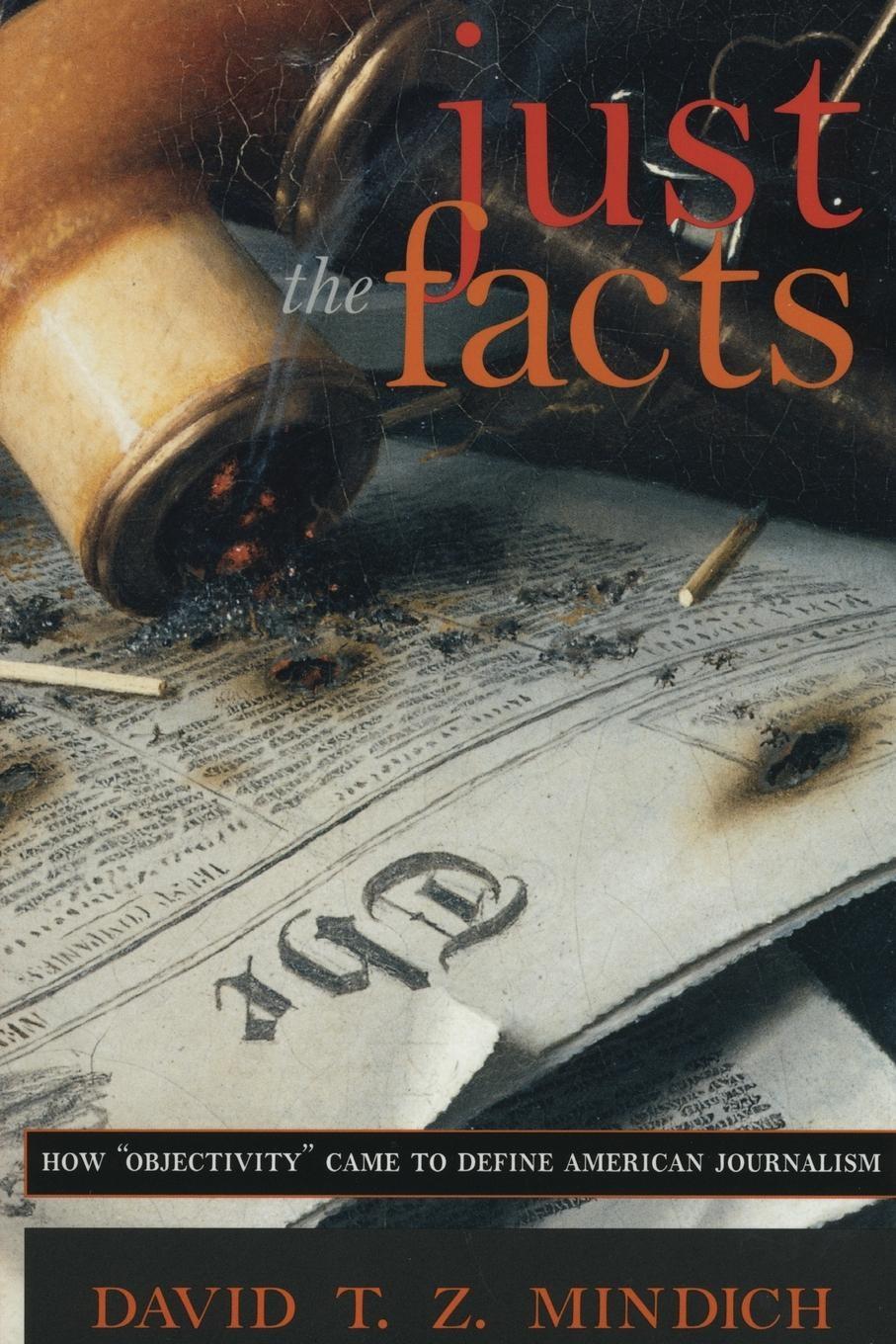
Draws a history of journalism's most respected tenet—objectivity
If American journalism were a religion, as it has been called, then its supreme deity would be "objectivity." The high priests of the profession worship the concept, while the iconoclasts of advocacy journalism, new journalism, and cyberjournalism consider objectivity a golden calf. Meanwhile, a groundswell of tabloids and talk shows and the increasing infringement of market concerns make a renewed discussion of the validity, possibility, and aim of objectivity a crucial pursuit.
Despite its position as the orbital sun of journalistic ethics, objectivity—until now—has had no historian. David T. Z. Mindich reaches back to the nineteenth century to recover the lost history and meaning of this central tenet of American journalism. His book draws on high profile cases, showing the degree to which journalism and its evolving commitment to objectivity altered–and in some cases limited—the public's understanding of events and issues. Mindich devotes each chapter to a particular component of this ethic–detachment, nonpartisanship, the inverted pyramid style, facticity, and balance. Through this combination of history and cultural criticism, Mindich provides a profound meditation on the structure, promise, and limits of objectivity in the age of cybermedia.
Pay easily by card, Klarna, Apple Pay or Google Pay. Not happy? You always have a 14-day money-back guarantee. Read more in our terms. If you have any questions, email us at hello@memmo.org.
Memmo makes studying easier – wherever you are in the world. We bring your course books and smart study tools together in one place: summaries, quizzes, podcasts and flashcards. Plus Ted, your study buddy who answers anything you wonder. Over 75,000 students already study here – built to help you learn faster and stress less.