
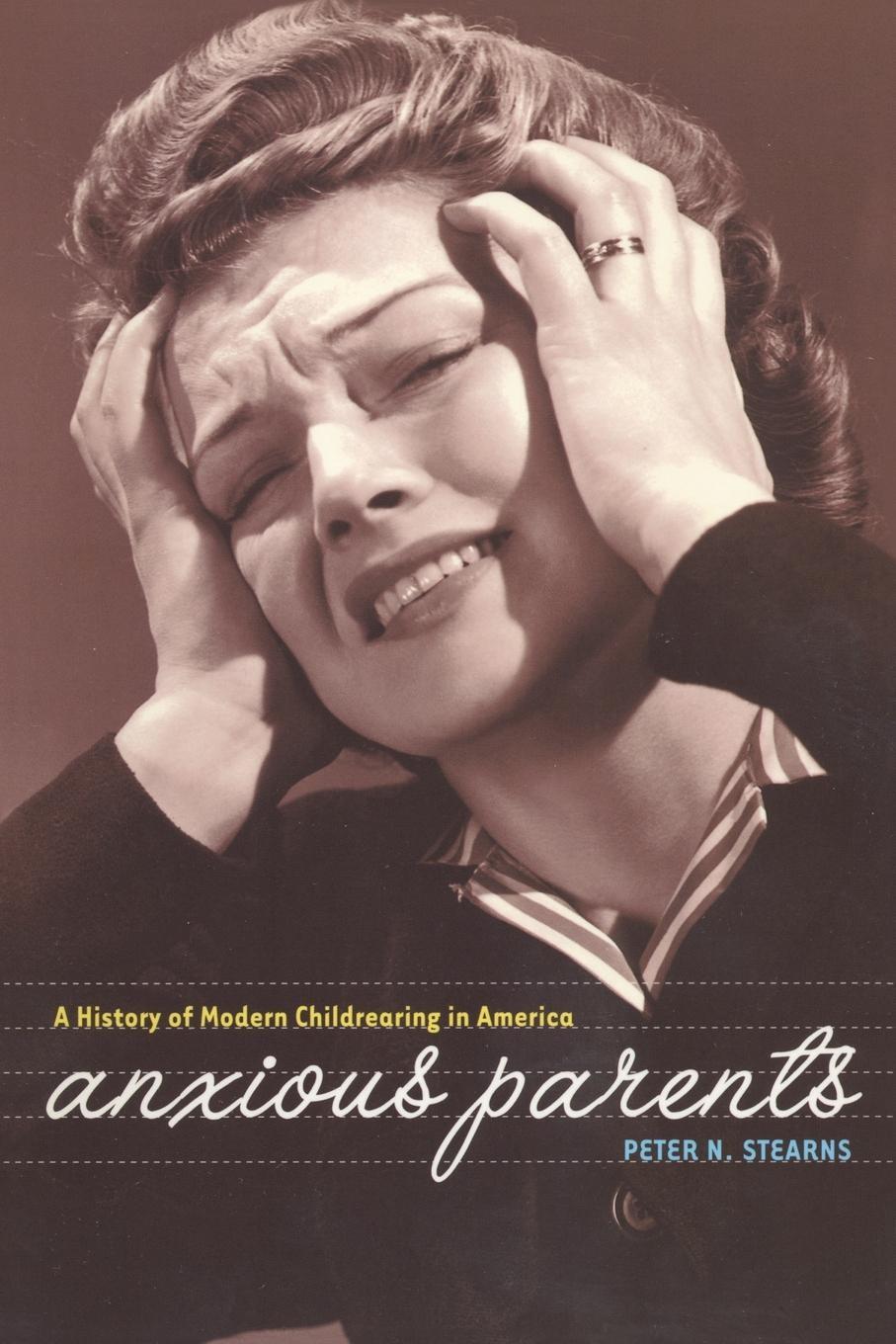
An examination into the history of modern parenting
The nineteenth and twentieth centuries saw a dramatic shift in the role of children in American society and families. No longer necessary for labor, children became economic liabilities and twentieth-century parents exhibited a new level of anxiety concerning the welfare of their children and their own ability to parent effectively. What caused this shift in the ways parenting and childhood were experienced and perceived? Why, at a time of relative ease and prosperity, do parents continue to grapple with uncertainty and with unreasonable expectations of both themselves and their children?
Peter N. Stearns explains this phenomenon by examining the new issues the twentieth century brought to bear on families. Surveying popular media, "expert” childrearing manuals, and newspapers and journals published throughout the century, Stearns shows how schooling, physical and emotional vulnerability, and the rise in influence of commercialism became primary concerns for parents. The result, Stearns shows, is that contemporary parents have come to believe that they are participating in a culture of neglect and diminishing standards. Anxious Parents: A Modern History of Childrearing in America shows the reasons for this belief through an historic examination of modern parenting.
Pay easily by card, Klarna, Apple Pay or Google Pay. Not happy? You always have a 14-day money-back guarantee. Read more in our terms. If you have any questions, email us at hello@memmo.org.
Memmo makes studying easier – wherever you are in the world. We bring your course books and smart study tools together in one place: summaries, quizzes, podcasts and flashcards. Plus Ted, your study buddy who answers anything you wonder. Over 50,000 students already study here – built to help you learn faster and stress less.