
It is an article of faith in America that scientific advances will lead to wondrous progress in our daily lives. Americans proudly support scientific research that yields stunning breakthroughs and Nobel prizes. We relish the ensuing debate about the implications—moral, ethical, practical—of these advances. Will genetic engineering change our basic nature? Will artificial intelligence challenge our sense of human uniqueness? And yet the actual implementation of these technologies is often sluggish and much-delayed. From Star Trek to Jurassic Park, the American imagination has always been fascinated by the power of scientific technology. But what does the reality of scientific progress mean for our society?
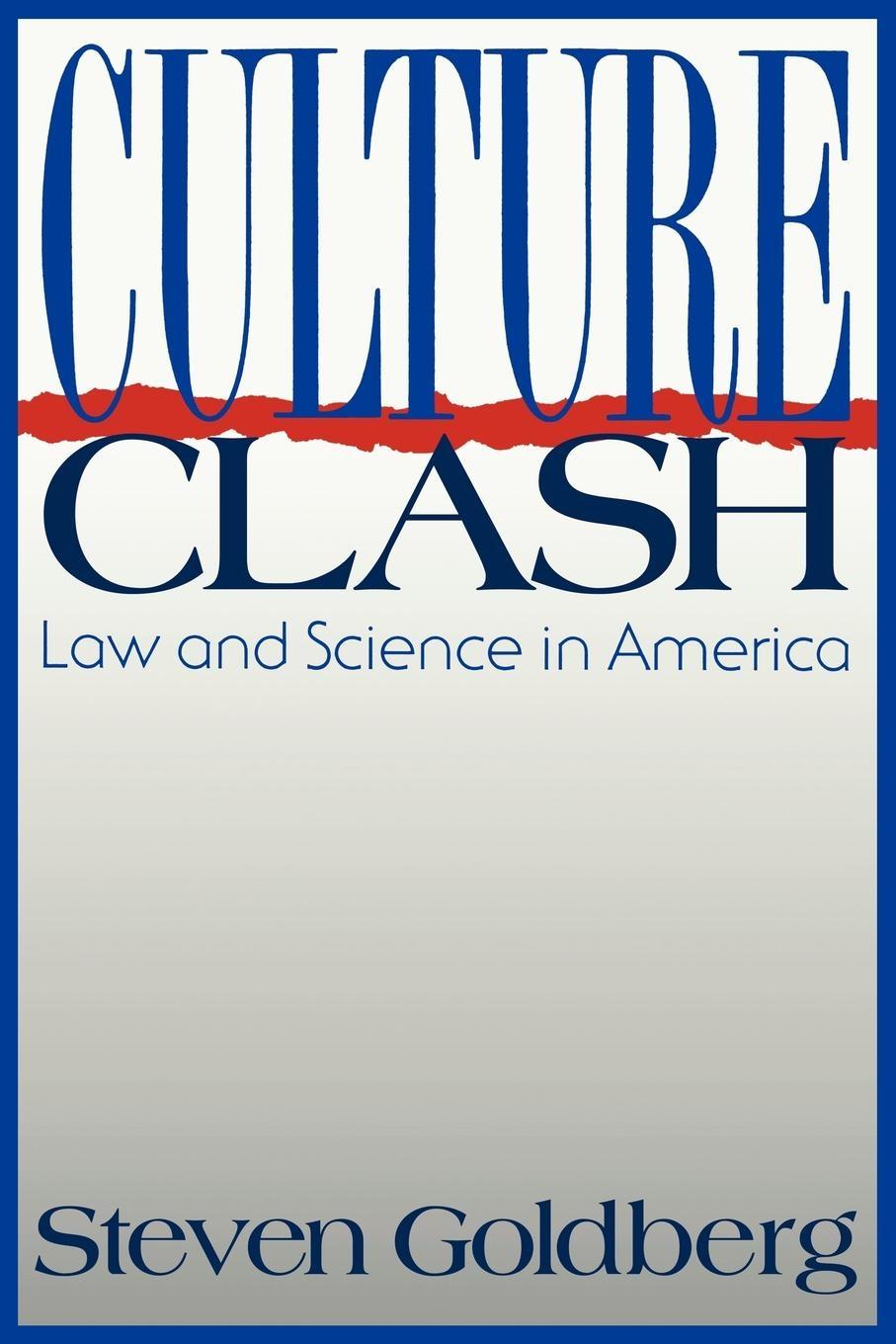
In this controversial book, Steven Goldberg provides a compelling look at the intersection of two of America's most powerful communities—law and science—to explain this apparent contradiction. Rarely considered in tandem, law and science highlight a fundamental paradox in the American character, the struggle between progress and process. Science, with its ethic of endless progress, has long fit beautifully with America's self image. Law, in accordance with the American ideal of giving everyone a fair say, stresses process above all else, seeking an acceptable, rather than a scientifically correct, result. This characteristic has been especially influential in light of the explosive growth of the legal community in recent years.
Exposing how the legal system both supports and restricts American science and technology, Goldberg considers the role and future of three projects—artificial intelligence, nuclear fusion, and the human genome initiative—to argue for a scientific vision that infuses research with social goals beyond the pure search for truth. Certain to provoke debate within a wide range of academic and professional communities, Culture Clash reveals one of the most important and defining conflicts in contemporary American life.
Pay easily by card, Klarna, Apple Pay or Google Pay. Not happy? You always have a 14-day money-back guarantee. Read more in our terms. If you have any questions, email us at hello@memmo.org.
Memmo makes studying easier – wherever you are in the world. We bring your course books and smart study tools together in one place: summaries, quizzes, podcasts and flashcards. Plus Ted, your study buddy who answers anything you wonder. Over 50,000 students already study here – built to help you learn faster and stress less.