
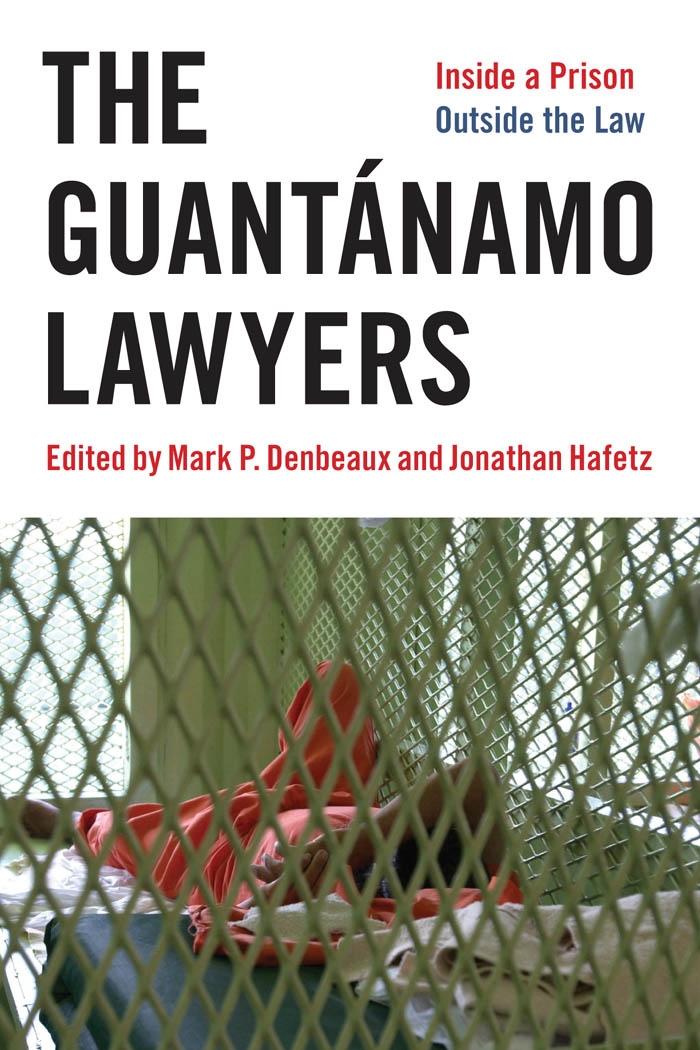
The stories of Guantánamo detainees, silenced and imprisoned without trial, as told by their lawyers
Following the terrorist attacks of 9/11, the United States imprisoned more than seven hundred and fifty men at its naval base at Guantánamo Bay, Cuba. These men, ranging from teenage boys to men in their eighties from over forty different countries, were detained for years without charges, trial, and a fair hearing. Without any legal status or protection, they were truly outside the law: imprisoned in secret, denied communication with their families, and subjected to extreme isolation, physical and mental abuse, and, in some instances, torture.
These are the detainees’ stories, told by their lawyers because the prisoners themselves were silenced. It took habeas counsel more than two years—and a ruling from the United States Supreme Court—to finally gain the right to visit and talk to their clients at Guantánamo. Even then, lawyers were forced to operate under severe restrictions designed to inhibit communication and envelop the prison in secrecy. In time, however, lawyers were able to meet with their clients and bring the truth about Guantánamo to the world.
The Guantánamo Lawyers contains over one hundred personal narratives from attorneys who have represented detainees held at “GTMO” as well as at other overseas prisons, from Bagram Air Base in Afghanistan to secret CIA jails or “black sites.” Mark Denbeaux and Jonathan Hafetz—themselves lawyers for detainees—collected stories that cover virtually every facet of Guantánamo, and the litigation it sparked. Together, these moving, powerful voices create a historical record of Guantánamo’s legal, human, and moral failings, and provide a window into America’s catastrophic effort to create a prison beyond the law.
An online archive, hosted by New York University Libraries, will be available at the time of publication and will contain the complete texts as well as other accounts contributed by Guantánamo lawyers. The documents will be freely available on the Internet for research, teaching, and non-commercial uses, and will be preserved indefinitely as a historical collection.
Pay easily by card, Klarna, Apple Pay or Google Pay. Not happy? You always have a 14-day money-back guarantee. Read more in our terms. If you have any questions, email us at hello@memmo.org.
Memmo makes studying easier – wherever you are in the world. We bring your course books and smart study tools together in one place: summaries, quizzes, podcasts and flashcards. Plus Ted, your study buddy who answers anything you wonder. Over 50,000 students already study here – built to help you learn faster and stress less.